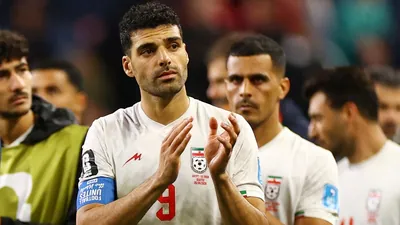
The Mehdi Taremi FIFA World Cup criticism has become one of the biggest off-field stories of FIFA World Cup 2026 after the Iran captain launched a strong attack against FIFA and president Gianni Infantino. Taremi accused football’s global governing body of failing to solve logistical problems that affected Iran’s preparation and performance during the tournament.
Following Iran’s final group-stage match against Egypt, which ended in a 1-1 draw, Taremi described the tournament experience as deeply disappointing. His comments focused on visa complications, travel demands, and the team’s difficulties operating without important support staff.
Iran’s players continued competing despite the challenges, but the captain argued that the conditions were not acceptable for a major international competition and called on FIFA to prevent similar situations in future tournaments.
What problems did Iran face during FIFA World Cup 2026?
Iran’s World Cup campaign was affected by several organisational challenges before and during the tournament. According to the team, visa-related issues prevented 11 senior officials from joining the squad, leaving the players without some members of their usual support structure.
The team also had to relocate its base to Tijuana, Mexico, and repeatedly travel to the United States for group-stage matches.
While the players appreciated the hospitality of the people in Mexico, Taremi argued that the arrangements created difficulties for a professional football team competing at the highest level.
| Issue faced by Iran | Impact on team |
|---|---|
| Visa problems | Important staff members could not join the squad |
| Frequent travel between locations | Affected recovery and preparation |
| Base camp challenges | Created additional logistical pressure |
Why did Mehdi Taremi call the World Cup a “disaster”?
After Iran’s draw against Egypt, Taremi expressed frustration with the tournament arrangements and questioned why FIFA had not resolved the problems earlier.
“It’s a disaster World Cup; a disaster.”
The Iran captain explained that FIFA officials had acknowledged the concerns but the issues remained unresolved throughout the competition.
“We don’t have our logistic people here – they don’t have a visa. How is it possible we always have to travel from Tijuana?”
Taremi’s main argument was not about the country hosting the matches but about the standards expected from a global sporting event.
He praised the people of Tijuana and Mexico but said the situation was difficult for athletes who need proper recovery, preparation, and professional support during a World Cup.
Iran coach Amir Ghalenoei also criticises FIFA arrangements
Iran head coach Amir Ghalenoei supported Taremi’s concerns and directly criticised the treatment his team received during the tournament.
While acknowledging that FIFA president Gianni Infantino attempted to reduce the problems, Ghalenoei argued that the hosting arrangements created unnecessary difficulties.
“I urge FIFA to not let the hosts treat teams and players the same way in the future.”
The coach also highlighted that Iran was not allowed to arrive earlier before matches, which he believed affected the team’s preparation.
According to Ghalenoei, the team faced multiple obstacles but still managed to compete with determination.
The hidden issue: Why logistics matter in elite football
At the highest level of football, success depends on more than tactics and talent. Recovery, travel planning, medical support, nutrition, and preparation environments all influence performance.
Modern international tournaments involve teams travelling across large distances, especially in expanded competitions hosted across multiple countries. This creates additional challenges for players who must manage physical stress between matches.
A few hours of extra travel or reduced recovery time may not seem significant to fans, but for elite athletes, small disadvantages can affect performance levels.
Comparison: Club football vs international tournament challenges
| Club football | International tournaments |
|---|---|
| Players train together regularly | Teams have limited preparation time |
| Stable facilities and routines | Travel and logistics constantly change |
| Clubs control most arrangements | National teams depend on tournament organisers |
Iran’s performance despite the challenges
Despite the off-field difficulties, Iran continued to compete strongly during the tournament. The team’s ability to perform under pressure became a major talking point among supporters and officials.
Ghalenoei argued that the squad’s resilience was one of the biggest achievements of their World Cup campaign.
“Despite all of these problems, we’ve been able to perform well and the world is proud of Iranians and our team.”
The comments reflected the team’s belief that their tournament story was about more than results. They wanted recognition for overcoming difficult circumstances behind the scenes.
What does this criticism mean for FIFA?
The comments from Iran’s captain and coach raise broader questions about tournament organisation. FIFA World Cups involve dozens of teams, thousands of staff members, and complex international travel arrangements.
Organisers must balance the needs of host countries with the requirements of participating teams. As tournaments become larger, logistics become one of the biggest challenges.
The 2026 World Cup is already unique because it is being hosted across three countries — the United States, Mexico, and Canada — creating unprecedented travel demands.
Future impact: Will FIFA change team management rules?
Iran’s complaints could increase discussions about how FIFA handles team facilities, travel schedules, and preparation periods in future competitions.
Players and coaches increasingly expect tournament organisers to provide conditions that match the professional standards of modern football.
Future World Cups may require stronger systems for visa assistance, transportation planning, and team support services.
Conclusion
The Mehdi Taremi FIFA World Cup criticism highlights a side of football that fans rarely see: the importance of organisation behind the scenes.
While matches are decided on the pitch, preparation often begins long before kickoff. Iran’s captain believes the team faced unnecessary obstacles during FIFA World Cup 2026 and wants stronger support systems for future tournaments.
The controversy also presents FIFA with a challenge: ensuring that every participating nation receives conditions that allow players to compete at their best on football’s biggest stage.
For breaking news and live news updates, like us on Facebook or follow us on Twitter and Instagram. Read more on Latest Sports on thefoxdaily.com.






COMMENTS 0