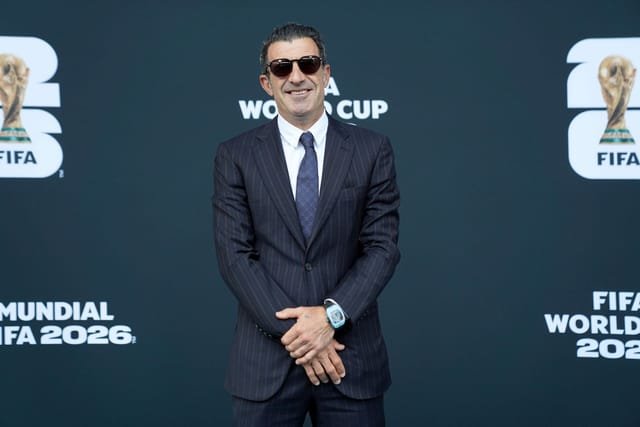
The governance of world football has once again become the center of intense debate after former Portugal captain Luis Figo publicly called for Gianni Infantino to resign as FIFA president. Figo’s remarks come amid growing scrutiny over FIFA’s recent commercial proposals and decision-making processes, including plans that would have allowed private investors to acquire stakes in certain commercial aspects of the FIFA World Cup.
Although FIFA has since abandoned the proposed investment structure, the controversy has reignited wider questions about transparency, accountability and the future direction of football’s governing body. Rather than focusing solely on the abandoned proposal, Figo argued that the issue reflects broader governance concerns that have accumulated during Infantino’s presidency.
As football continues to generate record-breaking revenues, debates over how the sport should be managed have become increasingly significant for federations, clubs, players and supporters across the world.
Why Luis Figo Wants Gianni Infantino to Resign
Speaking publicly about FIFA’s leadership, Figo accused Infantino of damaging the credibility of football’s governing body and argued that confidence in the organization’s leadership has significantly declined.
“He has lied, deceived and tried to feather his own nest at the expense of the game he is supposed to serve… It is too late to save his dignity but it is not too late to save football. He should go. Now.”
The former Ballon d’Or winner also criticized what he described as repeated governance decisions that, in his view, prioritized personal interests over the long-term interests of football.
What Sparked the Latest FIFA Controversy?
The latest debate centers on proposals that would have introduced outside investment into certain commercial operations connected to the FIFA World Cup.
The proposal reportedly explored allowing private investors to acquire interests in areas such as commercial partnerships, marketing and ticketing operations connected with FIFA’s flagship tournament. Although the plans ultimately did not move forward, they generated strong reactions from several figures within international football.
Critics argued that any move involving private ownership or investment linked to the World Cup required exceptional transparency because of the tournament’s global importance.
FIFA’s Decision to Abandon the Proposal
Following widespread discussion, the proposal to sell commercial stakes connected to the FIFA World Cup was reportedly withdrawn.
While the decision effectively ended immediate speculation regarding the investment structure, it did little to silence broader conversations about FIFA’s governance and long-term commercial strategy.
For critics such as Figo, the controversy became another example of what they believe are deeper structural issues within football administration.
Figo’s Wider Criticism of FIFA Leadership
Figo’s comments extended beyond the commercial proposal itself.
He argued that several previous decisions made under Infantino’s leadership had weakened confidence in FIFA’s governance, pointing to concerns surrounding disciplinary matters, tournament management and institutional transparency.
Although opinions differ widely across world football, the Portuguese legend believes meaningful reform requires changes at the very top of the organization.
Why FIFA Governance Matters
FIFA oversees the world’s biggest sporting competition and plays a central role in regulating international football.
Its responsibilities include:
- Organizing the FIFA World Cup.
- Developing global football programs.
- Managing international competitions.
- Distributing development funding to member associations.
- Establishing regulations that influence football worldwide.
Because of that influence, leadership decisions at FIFA often have consequences extending far beyond a single tournament.
The Expanding FIFA World Cup
One of the defining projects of Gianni Infantino’s presidency has been expanding the FIFA World Cup.
The 2026 tournament introduced a 48-team format, increasing participation and creating new opportunities for emerging football nations. Discussions have also emerged regarding the possibility of further expansion for future editions, demonstrating FIFA’s continuing focus on growing the tournament’s global reach.
Supporters argue expansion increases worldwide representation, while critics question its impact on competitive balance and scheduling.
| Major FIFA World Cup Changes | Purpose |
|---|---|
| Expansion to 48 teams | Increase global participation and representation. |
| Commercial growth initiatives | Generate additional revenue for football development. |
| Exploration of new investment models | Evaluate alternative commercial opportunities. |
The Business of Modern Football
The FIFA World Cup has evolved into one of the world’s largest sporting and commercial events.
Revenue generated through broadcasting rights, sponsorship agreements, ticket sales and licensing supports football development programs across numerous member associations. Consequently, decisions involving the tournament’s commercial structure attract significant attention from governments, investors and football stakeholders.
Balancing commercial growth with sporting integrity remains one of FIFA’s biggest challenges.
Why Former Players’ Opinions Carry Weight
Voices like Luis Figo’s often receive considerable attention because of their experience at the highest level of the game.
Having represented Portugal throughout an illustrious international career, Figo understands both the sporting and administrative sides of elite football. While his views do not represent every stakeholder within the sport, they contribute to wider discussions surrounding governance and accountability.
Different Perspectives on FIFA’s Leadership
The debate surrounding FIFA’s leadership remains highly divided.
Supporters of recent reforms point to expanded global participation, increased investment in football development and continued commercial success. Critics, meanwhile, argue that governance, transparency and institutional accountability deserve greater attention.
As with many issues affecting global sport, opinions vary significantly depending on the priorities of different stakeholders.
What Happens Next?
Despite Figo’s strong criticism, there has been no indication that FIFA’s leadership structure will immediately change because of his comments alone.
However, public criticism from respected figures can influence broader conversations about governance, particularly when similar concerns are raised by multiple football administrators, federations or former players.
The organization is expected to remain under close scrutiny as preparations continue for future international competitions.
What This Means for World Football
Regardless of differing opinions regarding FIFA’s leadership, the controversy highlights the increasing importance of transparency in modern sport.
Football has become a multi-billion-dollar global industry, making governance decisions more consequential than ever. Supporters, sponsors, broadcasters and national associations all expect decision-making processes that protect both the commercial success and sporting integrity of the game.
Future leadership debates are therefore likely to focus not only on financial growth but also on institutional trust.
Future Outlook
As FIFA continues planning future tournaments and long-term commercial strategies, governance will remain a major topic of discussion across international football. Whether through structural reforms, policy adjustments or continued public debate, expectations surrounding accountability are unlikely to diminish.
Meanwhile, preparations for upcoming FIFA competitions continue, ensuring that football’s biggest governing body remains under constant global attention.
Conclusion
Luis Figo’s call for Gianni Infantino’s resignation represents one of the most outspoken criticisms directed at FIFA’s current leadership in recent months. Although the proposed World Cup commercial investment plan has reportedly been abandoned, the controversy has reopened broader discussions about transparency, governance and the future direction of international football.
While opinions remain divided over FIFA’s leadership and long-term strategy, the episode serves as another reminder that decisions involving the world’s most popular sport extend far beyond the pitch. As football continues to grow commercially and globally, demands for accountability and effective governance are likely to remain central to the conversation.
For breaking news and live news updates, like us on Facebook or follow us on Twitter and Instagram. Read more on Latest Football on thefoxdaily.com.




COMMENTS 0