The FIFA World Cup 2026 has produced everything football fans could hope for—dramatic upsets, emerging stars, tactical masterclasses, and unforgettable performances. Yet amid the excitement, two stories stand out for very different reasons.
The disappointing group-stage elimination of Uruguay and the controversial exit of Iran have left lingering questions about management decisions, tournament fairness, and the fine margins that can define success or failure on football’s biggest stage.
While nations such as Spain, France, Brazil, England, and Norway continue their pursuit of World Cup glory, Uruguay and Iran are left wondering what might have been.
Uruguay’s Stunning Early Exit Shocks the Football World
Among all the surprises of the group stage, Uruguay’s elimination ranks among the most unexpected.
Entering the tournament as one of South America’s strongest teams and ranked among the highest-positioned nations in the FIFA rankings, Uruguay were widely expected to reach at least the knockout rounds.
Instead, the two-time world champions failed to advance, becoming one of the tournament’s biggest disappointments.
The team managed only two points from their group matches despite boasting a squad filled with international experience and elite talent.
For many observers, Uruguay’s exit represented a dramatic collapse rather than an unfortunate result.
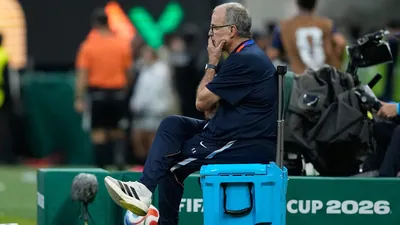
Marcelo Bielsa’s World Cup Ends in Frustration
Much of the attention has focused on veteran coach Marcelo Bielsa, whose tenure with Uruguay ended shortly after the team’s elimination.
Known for his intense tactical philosophy, relentless pressing systems, and demanding training methods, Bielsa arrived with a reputation as one of football’s most influential thinkers.
His impact was immediate.
Uruguay recorded impressive victories over South American giants Brazil and Argentina during World Cup qualifying, leading many to believe the nation was entering a new golden era.
The aggressive, high-energy style transformed Uruguay into one of the most exciting teams in international football.
However, the momentum gradually disappeared.
Results became inconsistent, internal tensions reportedly increased, and questions emerged about whether Bielsa’s demanding methods were sustainable over a long tournament.
Growing Divide Between Bielsa and Senior Players
Reports throughout the World Cup suggested a growing disconnect between Bielsa and several senior members of the squad.
Some players reportedly wanted a more pragmatic tactical approach, emphasizing defensive organization and counterattacking football rather than constant pressing.
Veteran figures allegedly questioned whether the team’s style exposed them defensively against elite opponents.
Bielsa, however, remained committed to his philosophy.
The result was a team caught between competing visions at a critical stage of the tournament.
When Uruguay needed unity most, questions about tactics, training intensity, and player management became increasingly difficult to ignore.
The Bielsa Legacy Remains Complicated
Despite the disappointing World Cup outcome, Bielsa’s influence on modern football remains undeniable.
He has inspired generations of coaches, including some of the game’s most successful managers.
His work at club level transformed teams such as Leeds United and Athletic Bilbao, while countless players have credited him with elevating their careers.
At the same time, criticism has followed him throughout his managerial journey.
His teams often play with extraordinary intensity but can struggle to maintain consistency over long periods.
The 2026 World Cup may ultimately be remembered as another example of both the brilliance and limitations of Bielsa’s unique football philosophy.
Iran Exit the Tournament Without Losing
If Uruguay’s departure was disappointing, Iran’s elimination generated anger and frustration.
Unlike many teams that exited because of poor performances, Iran left the competition undefeated.
Yet despite avoiding defeat throughout their campaign, they still failed to advance.
Their final group-stage match against Egypt ended in a draw, a result that proved insufficient after events elsewhere in the group altered the standings.
Iran’s players and supporters felt they had done enough on the pitch to deserve a place in the knockout rounds.
Controversy Surrounds Iran’s Tournament Experience
Iran’s frustration extended beyond football results.
Questions emerged throughout the tournament regarding logistical challenges faced by the team.
Reports suggested difficulties involving travel arrangements, visa issues affecting supporters and staff, and restrictions that complicated preparations.
Several Iranian players expressed disappointment with circumstances surrounding their participation.
Captain Mehdi Taremi was particularly vocal after the team’s elimination, arguing that key decisions and situations throughout the tournament had gone against Iran.
The striker’s frustration reflected a broader feeling within the squad that external factors had contributed to their exit.
VAR Drama Adds to Iranian Heartbreak
Iran’s campaign also featured several controversial moments on the field.
A penalty miss, a disallowed goal following VAR intervention, and narrow margins in crucial matches combined to create a sense of injustice among supporters.
While VAR exists to improve decision-making accuracy, its involvement in critical moments once again became a major talking point.
For Iran, those decisions contributed to a painful conclusion to what had otherwise been an impressive tournament performance.
A World Cup Filled With Quality Football
Despite the disappointment experienced by Uruguay and Iran, the overall quality of football at FIFA World Cup 2026 has been widely praised.
Fans have witnessed stunning goals, tactical battles, emerging stars, and memorable knockout drama.
Traditional powers such as France, Spain, England, and Brazil continue to impress, while several underdog nations have demonstrated the increasing competitiveness of international football.
The tournament has highlighted how small margins often determine success at the highest level.
A single tactical decision, a missed penalty, a VAR review, or a moment of brilliance can completely alter a nation’s World Cup destiny.
Final Thoughts
The stories of Uruguay and Iran serve as reminders that World Cup success depends on far more than talent alone.
Uruguay’s collapse exposed the challenges of balancing tactical ideals with squad harmony, while Iran’s elimination sparked debate about fairness and the role of external circumstances in international tournaments.
As the competition moves deeper into the knockout rounds, attention will naturally shift toward the race for the trophy. Yet the exits of Uruguay and Iran will remain among the most discussed narratives of FIFA World Cup 2026—a tournament filled with spectacular football but also lingering controversy.
For breaking news and live news updates, like us on Facebook or follow us on Twitter and Instagram. Read more on Latest Sports on thefoxdaily.com.






COMMENTS 0