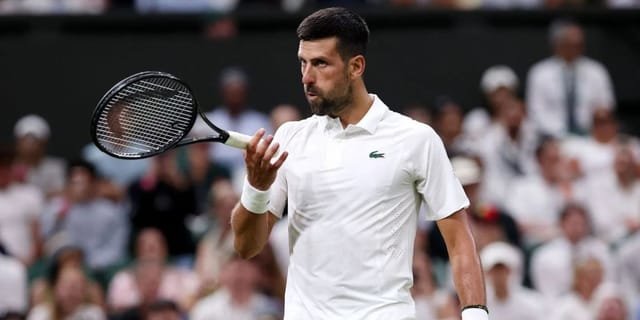
Novak Djokovic Wimbledon 2026 statement has sparked a major conversation about the future of tennis after the 24-time Grand Slam champion called for shorter matches and a more modern tournament structure. The Serbian superstar believes the sport needs changes to connect with younger audiences who may not have the patience for four or five-hour battles on a regular basis.
Speaking after his first-round victory at the 2026 Wimbledon Championships, Djokovic explained that tennis must adapt to changing viewing habits. However, he made it clear that he does not want major changes to the traditional Grand Slam format, especially the best-of-five-set structure.
The comments from one of tennis’ greatest players come at a time when many sports are trying to balance tradition with faster entertainment formats. Djokovic’s argument raises an important question: how can tennis protect its history while making the sport more accessible for a new generation?
Why Novak Djokovic believes tennis matches are too long
Djokovic’s main concern is the attention span of modern audiences. The Serbian explained that younger fans consume sports differently compared to previous generations, with shorter videos, quick highlights, and fast entertainment becoming more popular.
According to Djokovic, expecting younger viewers to regularly watch extremely long matches may limit tennis’ growth outside major tournaments.
“How do we get younger people to get hooked on tennis? They’re not going to sit for four hours and five hours and watch tennis every day like that.”
The former World No. 1 believes tennis needs to create formats that are easier to follow while maintaining the excitement and competitiveness that make the sport unique.
Djokovic’s proposed solution: More dynamic tennis formats
Rather than changing everything about tennis, Djokovic suggested that tours and regular tournaments could experiment with shorter formats.
His idea focuses on making matches more dynamic and reducing the time commitment required from fans. He believes shorter matches could help attract casual viewers who might become long-term tennis supporters.
- Shorter match duration
- More exciting tournament formats
- Greater appeal for younger audiences
- More flexibility outside Grand Slam events
Djokovic’s comments suggest that he sees innovation as necessary for tennis’ future rather than as a threat to tradition.
Why Djokovic wants Grand Slams to remain different
Although Djokovic supports changes in regular tournaments, he believes Grand Slam events should maintain their special identity.
The four major tournaments — Wimbledon, Australian Open, French Open, and US Open — are built around history, endurance, and legacy. The best-of-five-set format has played a major role in creating some of tennis’ most memorable moments.
Djokovic himself has built much of his legacy through marathon Grand Slam battles, including unforgettable finals and comeback victories.
| Area | Djokovic’s View |
|---|---|
| Regular ATP/WTA tournaments | Open to shorter and more dynamic formats |
| Grand Slams | Maintain traditional structure |
| Goal | Attract younger fans and increase engagement |
The bigger problem: Tennis and the challenge of younger audiences
Tennis has a global fan base, but attracting younger viewers has become a challenge across many traditional sports.
Unlike football or basketball, where matches usually have fixed durations, tennis can last anywhere from under an hour to more than five hours. While this creates drama and endurance battles, it can also make regular viewing difficult for new fans.
Djokovic referenced research connected to the Professional Tennis Players Association (PTPA), suggesting that tennis needs to better understand audience behaviour and expectations.
The challenge is not only about match length. Tennis must also consider digital engagement, social media content, player accessibility, and how younger fans discover sports.
Comparison: Traditional tennis vs modern sports entertainment
The debate around tennis length reflects a wider change happening across global sports.
- Traditional approach: Longer matches, endurance, history, and strategy.
- Modern approach: Faster action, shorter attention cycles, and easier consumption.
Sports like cricket have already experimented with shorter formats such as T20, while basketball and football have focused heavily on quick highlights and digital engagement.
Tennis now faces a similar challenge: how to preserve its classic identity while making the product easier for new fans to enjoy.
Djokovic’s Wimbledon 2026 journey continues
While discussing the future of tennis, Djokovic is also focused on another Wimbledon title challenge. The Serbian began his 2026 campaign with a difficult first-round victory against China’s Wu Yibing.
Wu pushed Djokovic to four sets, with the former Wimbledon champion later admitting that his opponent deserved more from the fourth set.
The victory set up a second-round clash against Stefanos Tsitsipas, renewing a rivalry between two of the sport’s biggest names.
Djokovic vs Tsitsipas: Another chapter in a competitive rivalry
Djokovic and Tsitsipas have faced each other 14 times before, with Djokovic leading their head-to-head record 12-2.
Their previous meetings include two Grand Slam finals:
- 2021 French Open Final: Djokovic defeated Tsitsipas after a comeback.
- 2023 Australian Open Final: Djokovic won another major title against the Greek star.
The upcoming Wimbledon meeting will be their first match against each other on grass, adding another interesting element to their rivalry.
What Djokovic’s comments mean for the future of tennis
Djokovic’s suggestion is unlikely to immediately change tennis formats, but it highlights a conversation the sport cannot ignore.
As one of the most successful players in history, his opinion carries significant weight. His comments show that even legends of the sport understand the need for adaptation.
The future of tennis may not require completely replacing traditional matches. Instead, a combination of classic events and innovative formats could provide a solution.
Conclusion
The Novak Djokovic Wimbledon 2026 statement has opened a major debate about the direction of tennis. The Serbian believes shorter and more dynamic formats could help attract younger fans while keeping Grand Slam traditions untouched.
His message is clear: tennis must evolve if it wants to remain one of the world’s biggest sports. The challenge will be finding the right balance between innovation and the history that makes tennis special.
For breaking news and live news updates, like us on Facebook or follow us on Twitter and Instagram. Read more on Latest Sports on thefoxdaily.com.






COMMENTS 0