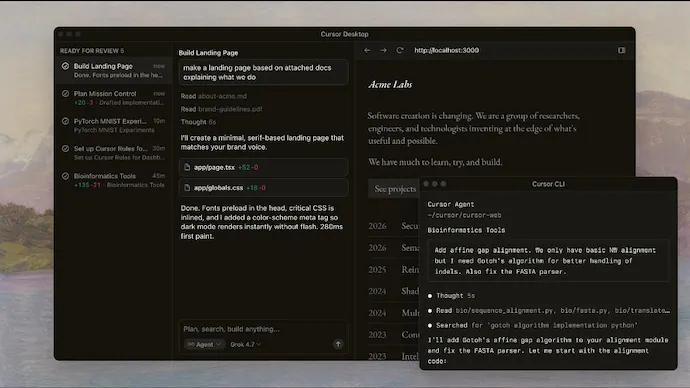
Cursor, the coding platform owned by SpaceX, temporarily shut down its extension marketplace after discovering a malicious version of the Claude Code extension that could expose users’ information and potentially give an attacker remote access to their computers.
The company said the security incident affected up to 5,000 users who accessed a modified Claude Code Visual Studio Code (VS Code) extension through the Cursor IDE marketplace. Cursor clarified that the malicious extension was not developed by Anthropic, the company behind Claude.
According to Cursor, the extension contained malicious code designed to collect information from affected systems and send it to an attacker-controlled server. The malware could also install a backdoor, potentially allowing unauthorised access to users’ machines.
Cursor said it had worked with relevant providers to neutralise the threat, audited its marketplace for other affected extensions and restored the service after implementing additional security measures.
Malicious Claude Code Extension Affected Up to 5,000 Users
Cursor disclosed the incident through a post on X, explaining that the security issue involved a modified Claude Code extension distributed through its extension marketplace.
“We identified a security incident affecting a modified Claude Code VS Code extension accessed through our Cursor IDE extension marketplace, impacting at most 5,000 users,” the company said.
The company did not specify which countries or regions were affected. However, it confirmed that it would contact users who may have been exposed to the malicious extension directly.
The incident raised concerns because the extension was available through a marketplace used by developers to add tools and functionality to their coding environments. Users who downloaded or loaded the modified extension could potentially have exposed information about their systems to the attacker.
Cursor also clarified that the incident was limited to the malicious Claude Code extension. Other extensions downloaded through its marketplace were not affected, according to the company.
How the Malicious Extension Collected User Information
In a blog post, Cursor said it identified the malicious extension on October 29. Its investigation found that the extension executed malicious code that attempted to install a backdoor on the affected system.
Once installed, the malware could collect several categories of user and device information, including:
- IP addresses: Information that can help identify a device’s network connection.
- Usernames: Account information associated with the affected system.
- Operating systems: Details about the software environment running on the user’s machine.
The extension also attempted to add an SSH key controlled by the attacker. Secure Shell (SSH) keys are commonly used to authenticate remote connections between computers. Adding an unauthorised key could allow an attacker to access an affected machine remotely without the user’s permission.
Cursor said the collected information was transmitted to the attacker. The malware’s setup was configured to run every 60 seconds, creating a recurring process for sending information back to the attacker-controlled infrastructure.
This behaviour made the extension more than a conventional malicious add-on that simply collects information when opened. Its attempted backdoor installation could also create a route for continued unauthorised access to an affected computer.
Malware Could Run Without a Conversation With Claude
One particularly concerning detail was how the malicious extension operated after being loaded. According to OpenSource Malware, loading the extension was sufficient to trigger the programme, even if the user had not started a conversation with Claude.
This meant that users did not necessarily need to interact with Claude Code or deliberately execute a particular command for the malicious code to run. The risk was associated with loading the compromised extension itself.
For developers, this highlights the security risks associated with extensions that integrate into coding environments. An extension may appear to provide a useful development feature, but its access to the local system can create opportunities for malicious activity if the software has been compromised.
Cursor Temporarily Shuts Down and Restores Its Marketplace
After identifying the security incident, Cursor took down its extension marketplace on Friday as part of its response. The company subsequently restored the marketplace after working with relevant providers to neutralise the malware.
Before bringing the service back online, Cursor carried out an audit to identify whether other extensions had also been compromised. The company said it did not find any additional affected extensions.
It also implemented several security measures, including rotating security keys and blocking the attacker’s connection to the server hosting the malware.
These actions were intended to disrupt the attack infrastructure and reduce the possibility of further unauthorised communication between affected systems and the malicious server.
Cursor said there was no further risk after its response measures. The company has also committed to contacting affected users directly and providing additional information through its official communication channels.
Cursor Asks Users to Update Claude Code
As part of its security response, Cursor has asked customers to update Claude Code. Users who may have accessed the modified extension should pay attention to the company’s direct communications and follow its security instructions.
The incident demonstrates why keeping development tools and extensions updated is important. Coding extensions can interact with local files, system settings and authentication mechanisms, meaning a compromised add-on may create risks beyond the coding application itself.
Developers should also treat unexpected SSH key changes and unfamiliar remote-access configurations as potential security warning signs. Where an extension is suspected of being compromised, simply removing it may not be sufficient if it has already installed additional components on the system.
Other SpaceX Products Were Not Affected
Cursor said the security incident did not affect other extensions downloaded from its marketplace. It also confirmed that other SpaceX-related products, including Grok Bot and Grok, were not impacted.
Cursor was acquired by Elon Musk’s SpaceX in August for $60 billion, according to the supplied report. The incident therefore comes at a time when the coding platform is operating under the ownership of one of the world’s largest technology companies.
Despite the marketplace shutdown, Cursor’s investigation indicated that the malicious extension was the specific source of the reported security incident rather than a broader compromise affecting all products associated with the company.
Cybersecurity Concerns Grow Across the Technology Industry
The Cursor incident adds to a series of Cybersecurity developments reported during the month. Earlier, Binance acknowledged a major security breach that reportedly put cryptocurrency assets worth approximately $6.3 billion at risk. The exchange later described the incident as a complex attack involving additional points of breach beyond an initially suspected compromised laptop.
Other reported security concerns have included major vulnerabilities in PHP and weak security keys in eMudhra’s digital certificates. Together, these incidents have drawn attention to the risks associated with software vulnerabilities, compromised credentials and weaknesses in digital infrastructure.
The Cursor case highlights a different but equally important area of concern: the security of third-party extensions distributed through developer marketplaces. Even tools that appear to be legitimate can become a potential entry point for attackers if a malicious version is introduced into an otherwise trusted distribution platform.
What Developers Should Know About the Cursor Security Incident
The reported incident affected up to 5,000 users, and Cursor says it has taken steps to contain the threat. However, the case offers several important lessons for developers who rely on extensions to improve their coding workflows.
- Verify extensions before installing them: Developers should check the publisher and authenticity of extensions, particularly when downloading tools associated with widely used AI services.
- Keep development tools updated: Installing updates can help users receive security fixes and reduce exposure to known threats.
- Monitor SSH access: Unexpected SSH keys or unfamiliar remote-access configurations may indicate unauthorised changes.
- Watch for security notifications: Users who receive direct communication from Cursor should follow the company’s instructions and review their systems where necessary.
What Happens Next?
Cursor has restored its extension marketplace after temporarily suspending it, audited the available extensions and implemented additional security measures. The company says it has blocked the attacker’s connection to the malware-hosting server and neutralised the threat with the help of relevant providers.
The platform has also asked customers to update Claude Code and confirmed that it will contact affected users directly. Although Cursor says no further risk remains, the incident serves as a reminder that malicious extensions can compromise systems even when users do not actively interact with the associated AI service.
For developers, the key concern is not limited to the security of AI coding assistants themselves. The wider extension ecosystem also needs strong verification, monitoring and response measures to prevent trusted development tools from becoming a route for cyberattacks.
About the Author
Armaan Agarwal
Armaan follows developments across technology and Artificial Intelligence. His interests include testing new gadgets, exploring the latest large language models and understanding emerging technologies. Outside technology, he enjoys discovering new music and following motorsport and aviation.
For breaking news and live news updates, like us on Facebook or follow us on Twitter and Instagram. Read more on Latest Technology on thefoxdaily.com.






COMMENTS 0