
Visitors to some of the world’s most recognisable websites may have been exposed to malicious code after hackers exploited a security vulnerability in the Optimizely Web experimentation platform. The campaign affected websites belonging to 178 organisations, including major technology companies, banks, retailers, airlines and news outlets, according to Cybersecurity researchers.
The malicious JavaScript was designed to steal sensitive information from website visitors. Its capabilities included replacing cryptocurrency wallet addresses, capturing payment-card details entered into website forms, collecting certain browser cookies and attempting to exploit vulnerabilities in Apple devices.
Among the organisations identified in the investigation were Zoom, Salesforce, IKEA, HSBC, Equifax, the BBC, CNN, Fox News, GitLab and Air France-KLM. The incident highlights how a security weakness in a third-party service can expose visitors to numerous unrelated websites without requiring hackers to directly compromise each organisation’s infrastructure.
How Hackers Used Optimizely to Distribute Malware
The attack was identified by cybersecurity firm Report URI, whose researchers examined JavaScript snippets associated with Optimizely Web. The platform allows businesses to experiment with website layouts, personalise visitor experiences and test different versions of webpages through tools such as A/B testing.
Companies can use Optimizely’s Project JavaScript field to add custom code to their websites. This functionality is useful for running experiments and introducing website changes without modifying the underlying website infrastructure.
However, attackers reportedly exploited a vulnerability in Optimizely’s Experimentation account signup process to gain unauthorised access to customer projects. They then inserted malicious JavaScript into the optional Project JavaScript field.
Because the affected snippets continued to be delivered through Optimizely’s trusted infrastructure, the malicious code could appear to visitors as part of a legitimate third-party website resource. This made the incident particularly concerning: visitors did not necessarily need to visit a suspicious website or download a questionable file to encounter the malicious script.
Researchers found that the attacker used a loader to retrieve additional malicious code. The payload was updated several times during the campaign, adding new capabilities as the incident developed.
What Could the Malware Steal From Website Visitors?
The injected JavaScript contained several functions intended to steal financial information and compromise visitor privacy. Rather than relying on a single technique, the malware combined cryptocurrency address manipulation, payment-card theft and browser data collection.
1. Replacing Cryptocurrency Wallet Addresses
One of the malware’s main functions was to identify cryptocurrency wallet addresses displayed on webpages, entered into forms or copied to a clipboard.
The script scanned page content, links, images, form fields and clipboard activity for recognised cryptocurrency addresses across multiple blockchain networks. When it detected a valid address, it could replace the original with a wallet controlled by the attacker.
This technique is particularly dangerous because cryptocurrency transactions are generally difficult or impossible to reverse once confirmed. Someone intending to send money to a legitimate recipient could unknowingly transfer funds to the attacker’s wallet if the replacement went unnoticed.
The malware also repeatedly scanned webpages for changes. As a result, copying a wallet address while an affected browser tab was open could trigger a replacement before the address was pasted elsewhere.
2. Stealing Payment-Card Details
The malicious script also included a payment-card skimming function. It could monitor information entered into forms on affected websites and capture card details that visitors submitted directly through those forms.
However, the distinction between different payment methods is important. According to the researchers, the malware could not access card information entered into properly isolated, third-party hosted payment frames, such as those used by services including Stripe and Adyen.
This means the presence of the malicious script did not automatically expose every payment made through an affected website. The risk depended partly on how the website handled payment information and whether the relevant card details were entered into forms accessible to the injected code.
3. Collecting Cookies and Screenshots
The malware could also collect certain browser cookies and capture screenshots of affected webpages. Cookies can contain information associated with website sessions, preferences and user activity.
Not all cookies are equally accessible. The script could read cookies that were not protected by the HttpOnly security attribute, which is designed to prevent JavaScript from accessing them.
Researchers also found that the malware could transmit information such as the affected webpage’s URL, captured cookie data, cryptocurrency addresses and screenshots to attacker-controlled infrastructure.
4. Targeting iPhones and iPads
Another concerning part of the campaign involved Apple mobile devices. The injected code could identify visitors using iPhones and iPads and attempt to load exploit kits known as Coruna and DarkSword.
These tools were designed to exploit vulnerabilities in particular versions of Apple’s iOS operating system. Their presence meant the campaign was not limited to stealing information entered into webpages; it also attempted to take advantage of weaknesses in the devices used to access those websites.
Not every Apple device visiting an affected website would necessarily have been compromised. The success of an exploit depends on factors such as the device’s operating system version, the vulnerabilities available to the attacker and whether the relevant security updates have been installed.
Which 178 Organisations Were Affected?
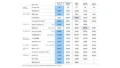
Report URI examined 1,611 distinct Optimizely JavaScript snippets and identified 188 infected snippets associated with 178 organisations. The difference between the two figures reflects the fact that some organisations had more than one infected snippet.
The affected organisations represented several major industries. The list included well-known brands in banking, technology, retail, entertainment, travel, healthcare and media.
Technology and Financial Services
Among the technology companies identified were Zoom, Salesforce, GitLab and Bitly. The list also included financial organisations and services such as HSBC websites in the United States and Hong Kong, Equifax and cryptocurrency-related platforms.
The presence of banking and financial websites raised concerns because visitors may use these platforms to access accounts, enter personal information or complete financial transactions.
Retail and Fashion Brands
The affected retail and fashion organisations included IKEA, ASOS, Mattel, American Eagle, Crocs and Levi’s websites in multiple countries. These businesses attract large numbers of online visitors, making the security of third-party scripts an important part of protecting their customers.
Airlines, News Outlets and Other Organisations
The researchers also identified airline websites, including Air France-KLM and Alaska Airlines. Major media organisations such as the BBC, CNN and Fox News appeared in the findings.
Other affected organisations included Change.org and UNICEF USA, demonstrating that the campaign extended beyond commercial businesses and financial services.
The complete list published by Report URI covers organisations across several countries and sectors. The researchers also warned that the actual number of affected websites could be higher than the number identified in their examination.
How Much Cryptocurrency Did the Attackers Steal?
Report URI tracked cryptocurrency transactions associated with wallets linked to the campaign. By 19:25 UTC on November 16, the attackers’ wallets had received approximately $7,040 in cryptocurrency.
The reported amount included transactions involving Bitcoin, Litecoin, Ethereum-related assets, TRON and other networks. The researchers said the funds were subsequently moved from some of the identified wallets.
Although the confirmed cryptocurrency total provides an indication of the campaign’s financial impact, it does not reveal the full extent of the incident. Report URI said it could not determine how many payment-card details or browser cookies had been collected by the attackers.
It is therefore important to distinguish between the number of organisations whose websites served malicious code and the number of visitors whose information was actually stolen. The available findings do not establish that every visitor to every affected website was compromised.
Optimizely Confirms Security Fix and Removes Malicious Code
Optimizely confirmed that an unauthorised party had exploited a vulnerability in its Experimentation account signup flow to insert malicious JavaScript into some customer projects.
The company said it had blocked access to the vulnerable route and deployed a fix. It also removed the injected code from affected projects and took additional steps to secure customer accounts.
These measures included ending active sessions, revoking access tokens and resetting access for affected user accounts. Optimizely also said it had notified customers and was continuing to investigate the incident.
The response was important because the malicious code was distributed through a service used by multiple organisations. Removing the injected scripts and preventing further unauthorised changes were essential steps in stopping the campaign from continuing through the same route.
However, fixing the vulnerability does not automatically establish whether information was stolen before the malicious code was removed. Organisations may still need to review their systems, investigate suspicious activity and assess whether visitors require additional security guidance.
Why This Incident Raises Concerns About Third-Party Website Tools
The Optimizely incident demonstrates the risks associated with relying on external JavaScript services. Businesses regularly integrate third-party tools into their websites to support analytics, advertising, customer engagement, personalisation and performance testing.
These integrations can make websites easier to manage and improve the visitor experience. However, they also create additional security dependencies. If an attacker gains the ability to modify code distributed through a trusted service, the consequences can extend to many organisations using that service.
This type of incident is commonly associated with a software supply-chain or third-party script attack. Instead of breaking into every affected company’s website separately, an attacker exploits a shared component or service that multiple websites depend on.
For website operators, the incident reinforces the importance of monitoring third-party scripts, limiting access to tools that can modify website code and reviewing unexpected changes to externally hosted resources. A restrictive Content Security Policy can also help prevent unauthorised scripts and connections from operating, although its effectiveness depends on how the policy is configured.
Businesses should also consider keeping records of approved scripts and monitoring changes to their content. This can help security teams identify suspicious modifications even when a script continues to load from a recognised provider’s domain.
What Should Visitors to Affected Websites Do?
Visitors who used one of the affected websites during the period when malicious code was active do not need to assume that their devices or accounts were automatically compromised. However, anyone who entered payment information, copied cryptocurrency addresses or accessed sensitive accounts during that period should take sensible precautions.
- Review bank and card statements: Check for unfamiliar transactions and contact the card issuer immediately if suspicious activity appears.
- Verify cryptocurrency transfers: Check transaction records and compare wallet addresses carefully. Cryptocurrency payments sent to an attacker’s wallet may not be recoverable.
- Update Apple devices: Install the latest available iOS or iPadOS security updates to reduce exposure to known vulnerabilities.
- Protect important accounts: Review account activity, change passwords where suspicious access is suspected and enable multi-factor authentication.
Organisations identified in the investigation should also provide relevant guidance to customers and review whether any sensitive information may have been exposed.
A Warning About the Security of Trusted Websites
The attack involving Optimizely is a reminder that a familiar brand name does not guarantee that every component of its website is safe at every moment. Even established organisations can be affected when a third-party service they rely on becomes a route for malicious code.
With 178 organisations identified in the investigation, the incident illustrates how quickly a single security weakness can affect a broad range of websites. Optimizely has confirmed that it fixed the vulnerability and removed the injected code, but the investigation into the full impact remains important.
For businesses, the priority is to strengthen oversight of external scripts and access controls. For visitors, keeping devices updated, monitoring financial activity and checking cryptocurrency addresses before confirming transactions remain practical ways to reduce risk.
For breaking news and live news updates, like us on Facebook or follow us on Twitter and Instagram. Read more on Latest Technology on thefoxdaily.com.





COMMENTS 0