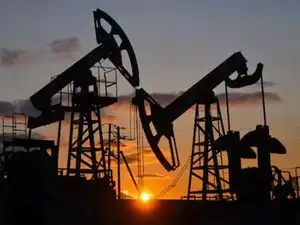
The Association of Southeast Asian Nations (ASEAN) is preparing to introduce a joint oil product stockpiling scheme as early as 2027, in an effort to strengthen regional Energy Security and protect member countries against sudden fuel supply disruptions, according to a report by Nikkei.
The proposed arrangement is expected to involve shared fuel storage facilities in Indonesia and Thailand. Under the reported initial plan, the Philippines would be able to access diesel and gasoline from these regional reserves during emergencies.
The initiative would give participating countries another way to secure essential petroleum products when international supply chains face disruptions. It also reflects growing concern across Southeast Asia about dependence on imported energy and the vulnerability of shipping routes that carry oil into the region.
How the Proposed ASEAN Joint Oil Stockpiling Scheme Would Work
Under the plan reported by Nikkei, participating ASEAN countries would cooperate in storing petroleum products at designated locations rather than relying exclusively on their individual national reserves.
Indonesia and Thailand are expected to provide storage locations for the proposed arrangement. These facilities would hold oil products that could be made available to participating countries when an emergency affects their fuel supplies.
The Philippines is expected to be among the first beneficiaries of the arrangement. The initial plan reportedly provides access to diesel and gasoline from the shared reserves during periods of supply disruption.
This approach could help countries respond more quickly when fuel imports are delayed, commercial supplies become constrained or international developments disrupt energy markets. Instead of every country independently building and maintaining all the storage capacity it might need during a crisis, participating governments could explore ways to share infrastructure and resources.
However, important operational details remain to be established. These include how much fuel would be stored, how participating countries would finance the reserves, which government or commercial entities would manage the facilities, and what conditions would trigger the release of supplies.
Why Indonesia and Thailand Are Important to the Plan
Indonesia and Thailand are expected to play central roles in the proposed arrangement by providing locations for shared oil product storage. Their participation could help create a regional supply network that other ASEAN members can access when necessary.
Storage infrastructure is an essential part of any emergency oil reserve system. Holding fuel in accessible locations allows governments and energy companies to respond to supply interruptions without depending entirely on fresh shipments from overseas markets.
Thailand has already been involved in discussions about regional oil stockpiling. Its existing petroleum storage and refining infrastructure has attracted attention in discussions about how ASEAN could develop a commercially workable system.
Indonesia has also been involved in efforts to explore regional cooperation. In September 2026, the Economic Research Institute for ASEAN and East Asia (ERIA) and the Indonesian Business Council launched a private-sector working group to examine a possible ASEAN joint regional oil stockpiling pilot project.
The working group brought together stakeholders from areas including energy, logistics, infrastructure, engineering and finance. Its discussions focused on developing a practical business model and identifying how governments, national oil companies, storage operators and investors could contribute.
The reported use of Indonesian and Thai storage locations would therefore build on broader regional discussions about making shared reserves operational.
Why the Philippines Could Become an Early Beneficiary
The Philippines is expected to receive priority access to diesel and gasoline under the initial arrangement described in the Nikkei report. The country’s dependence on imported petroleum makes reliable access to fuel an important economic and national security concern.
Disruptions in international oil shipments can affect the availability and cost of fuel used by transport operators, power generators, industries and households. Diesel is particularly important for commercial transport, logistics and several industrial activities, while gasoline is widely used in passenger vehicles and other transport services.
Access to shared regional reserves could provide an additional source of supply when normal imports are interrupted. It may also help reduce the immediate pressure on domestic fuel markets during an emergency.
Philippine officials have previously discussed the possibility of becoming part of a regional oil stockpiling arrangement. During the ASEAN energy meetings in October 2026, Energy Secretary Sharon Garin said the country was examining the feasibility of establishing a regional fuel storage hub, including questions about its location and logistics.
She also distinguished the proposed regional arrangement from a separate domestic fuel storage facility being considered at a Philippine National Oil Company property in Bataan. The two proposals have different purposes: one concerns regional cooperation, while the other is intended to strengthen the Philippines’ own fuel supply security.
ASEAN’s Energy Security Concerns Have Increased
The proposed stockpiling initiative comes as Southeast Asian countries face greater uncertainty over international energy supplies. The region relies on imported crude oil and petroleum products, leaving its economies exposed to geopolitical tensions, shipping disruptions and sudden changes in global prices.
The Strait of Hormuz is one of the most important routes in the global oil trade. A substantial volume of crude oil and petroleum products from the Middle East passes through the narrow waterway before reaching Asian markets.
Any prolonged disruption to shipping through the strait can affect countries that depend on Middle Eastern energy supplies. Even when alternative sources are available, replacing disrupted shipments can involve higher transportation costs, longer delivery times and competition for available cargoes.
Recent tensions and disruptions in the Middle East have strengthened calls for Asian countries to improve their emergency energy preparedness. ASEAN governments have consequently been examining ways to increase storage capacity, diversify supply sources and coordinate responses to potential shortages.
For Southeast Asia, the challenge is not limited to securing crude oil. Countries also need reliable supplies of refined products such as diesel, gasoline and other fuels that are essential to transport, manufacturing and electricity generation.
ERIA Has Been Studying Regional Oil Stockpiling
The proposed initiative is connected to wider research led by the Economic Research Institute for ASEAN and East Asia. ERIA has been examining how Southeast Asian countries could develop a regional system that combines national reserves with shared or coordinated stockpiles.
Its work has explored different approaches, including reserves held by individual countries, quota-based stockholding arrangements and jointly managed supplies. These models could allow countries to cooperate without requiring every member to participate in exactly the same way.
In September 2026, ERIA and the Indonesian Business Council established a private-sector working group to investigate the practical requirements of a regional pilot project. The group was tasked with examining the business model, infrastructure needs and possible roles for public and private-sector participants.
ERIA’s research also highlights the potential economic advantages of cooperation. A regional system could allow participating countries to share storage infrastructure and reduce the need for each government to independently finance all the reserves required for an emergency.
Nevertheless, the difference between a proposed pilot and a fully functioning regional reserve system is significant. Governments and participating companies must agree on financing, ownership, storage responsibilities, access rights and the procedures for releasing fuel before the arrangement can operate effectively.
ASEAN Petroleum Security Agreement Provides a Regional Framework
The ASEAN Petroleum Security Agreement (APSA) provides an existing framework for cooperation among member states during petroleum supply emergencies. The agreement is designed to support regional coordination when a country faces a serious shortage of energy supplies.
A renewed version of the agreement was signed in October 2025. It covers crude oil, petroleum products and natural gas, and provides a framework for member countries to assist one another during supply disruptions.
Under the framework, participating countries are expected to endeavour collectively to provide assistance equivalent to 10 per cent of a country’s normal requirements when the conditions for emergency support are met. Assistance is voluntary and based on negotiated commercial terms rather than an automatic transfer of fuel.
The framework also recognises that countries may have different levels of storage capacity and different national energy policies. This makes coordination important, particularly when several countries experience supply pressures at the same time.
In October 2026, the ASEAN Centre for Energy said six of the bloc’s 11 members had ratified the renewed agreement, while the remaining countries were working through their domestic approval processes. The agreement is due to take effect after the required ratification process is completed and formally deposited.
The proposed joint stockpiling scheme could complement this broader framework by providing physical fuel reserves that may be used during emergencies. However, a shared storage arrangement and the APSA emergency assistance mechanism are not identical. One concerns how fuel is stored and accessed, while the other establishes a framework for regional cooperation during supply shortages.
What Challenges Could Delay the Regional Oil Reserve Plan?
Although shared oil stockpiling could strengthen regional preparedness, putting the arrangement into practice will require countries to resolve several financial, logistical and regulatory questions.
Financing and Ownership
Governments and private-sector participants will need to decide who pays for the fuel, storage facilities and ongoing maintenance. They must also establish whether the reserves will be publicly owned, commercially managed or operated through a combination of arrangements.
Rules for Releasing Fuel
Clear conditions will be necessary to determine when a participating country can request supplies. The system will need procedures for assessing emergencies, approving withdrawals and deciding how available fuel is allocated if multiple countries face shortages simultaneously.
Transportation and Distribution
Storing fuel in one country does not automatically guarantee that it can reach another country quickly. Shipping arrangements, port capacity, transportation costs and domestic distribution networks will influence how useful the reserves are during an emergency.
Different National Energy Policies
ASEAN members have different energy import requirements, storage capacities and regulatory systems. A regional arrangement will need to accommodate these differences while ensuring that participating countries understand their responsibilities and access rights.
Limited Supplies During a Region-Wide Crisis
Shared reserves can be particularly useful when one or two countries experience shortages while other participants have supplies available. However, if a major international disruption affects the entire region, several countries may need fuel at the same time. That could limit the amount available for emergency sharing.
What the ASEAN Oil Stockpiling Initiative Could Mean for the Region
If implemented successfully, the proposed arrangement could give ASEAN countries an additional layer of protection against sudden interruptions in fuel supplies. Shared reserves may help governments respond to emergencies while reducing the economic disruption caused by delayed imports or shortages of essential petroleum products.
For the Philippines, access to diesel and gasoline from storage facilities in Indonesia and Thailand could provide an additional supply option during a crisis. For Indonesia and Thailand, hosting storage infrastructure could increase their importance in regional energy cooperation.
The initiative could also encourage greater participation from energy companies, storage operators and investors. Developing a commercially workable system would require cooperation between governments and businesses that already operate within the region’s petroleum supply chains.
However, stockpiling alone cannot eliminate ASEAN’s exposure to global energy shocks. The region will also need to diversify import sources, strengthen domestic infrastructure, improve energy efficiency and expand alternative energy supplies over time.
What Happens Next?
The reported 2027 launch target represents a proposed timeline for moving regional oil stockpiling towards implementation. Further work will be needed to determine the final structure, participating countries, storage arrangements and emergency access rules.
ERIA’s research and its cooperation with private-sector organisations are expected to contribute to the development of practical arrangements. Governments will also need to coordinate the proposed reserves with existing regional energy-security mechanisms, including the ASEAN Petroleum Security Agreement.
For now, the reported plan involving storage locations in Indonesia and Thailand and initial access for the Philippines signals a move towards more coordinated fuel security in Southeast Asia. Its effectiveness will ultimately depend on whether participating countries can establish clear rules, maintain sufficient reserves and ensure that fuel can be delivered when an emergency occurs.
For breaking news and live news updates, like us on Facebook or follow us on Twitter and Instagram. Read more on Latest World on thefoxdaily.com.



COMMENTS 0