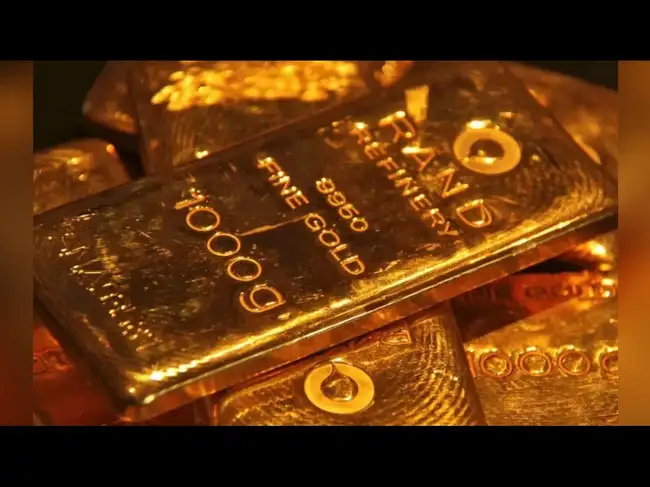
Gold and Silver Prices are entering another uncertain phase, with investors closely monitoring the direction of the US dollar, bond yields and expectations surrounding Federal Reserve policy. After a volatile stretch in international markets, gold has slipped below the closely watched $4,000-per-ounce threshold, leaving bullion traders looking for signs of a sustained recovery.
The $4,000 level has become an important psychological and technical reference point. A move back above it could improve sentiment and encourage buyers to return, but recent trading shows that the metal is facing resistance from a combination of inflation concerns and expectations that US interest rates may remain elevated.
Silver is also navigating a difficult environment. Its prospects are supported by investment demand and industrial applications, but its price can be particularly sensitive to changes in economic expectations because it is both a precious metal and an industrial commodity.
Gold Price Today: Why the $4,000 Mark Matters
Gold’s fall below $4,000 has become a central focus for bullion investors. The metal had recovered to around $4,065.63 an ounce on November 6 after briefly trading below the threshold, but the rebound did not establish a lasting upward trend.
By November 13, spot gold was trading around $3,879.71 an ounce, while US gold futures for December delivery settled at approximately $3,886.30. Bullion was heading towards its worst weekly performance in about four months, following a decline of roughly 4.5% over the week.
The weakness followed a sharp fall on November 12, when gold lost around 3% amid concerns about inflation, rising oil prices and the possibility of tighter US monetary policy. A modest recovery the following day was not enough to reverse the broader weekly decline.
For traders, the immediate challenge is to determine whether the decline represents a temporary correction or the beginning of a deeper adjustment. A sustained move above $4,000 could help restore confidence, but a brief move above the level would not necessarily confirm a stronger bullish trend.
What Is Putting Pressure on Gold Prices?
1. Expectations of Higher US Interest Rates
Interest-rate expectations remain one of the most important influences on gold. Unlike bonds and savings instruments, physical gold does not generate interest. When investors expect interest rates to rise, interest-bearing assets can become more attractive relative to bullion.
Recent US inflation data has reinforced concerns that policymakers may not have enough room to reduce borrowing costs. Producer prices increased by 0.3% in October, below the 0.4% increase expected by economists, but underlying inflation concerns remained significant.
Markets have also been assessing the possibility of a Federal Reserve rate increase in December. Expectations of tighter monetary policy have contributed to the pressure on gold, as higher rates can increase the opportunity cost of holding the metal.
2. A Stronger US Dollar and Rising Bond Yields
Gold is priced internationally in US dollars, making movements in the currency important for buyers and investors around the world. A stronger dollar generally makes bullion more expensive for holders of other currencies, potentially reducing international demand.
Higher US Treasury yields can create additional pressure. When government bonds offer more attractive returns, investors may reduce exposure to non-yielding assets such as gold.
This relationship has been particularly important during the latest correction. The combination of a stronger dollar and elevated yields has made it harder for gold to maintain upward momentum, even as geopolitical uncertainty continues to support its longer-term appeal.
3. Oil Prices and Inflation Concerns
Rising energy prices have added another layer of uncertainty. Higher oil prices can increase inflationary pressure by raising transportation, manufacturing and production costs. If investors believe inflation will remain persistent, they may expect central banks to keep monetary policy restrictive for longer.
Gold is traditionally viewed as a hedge against inflation, but the relationship is not automatic. When inflation concerns lead to higher interest-rate expectations and stronger bond yields, those factors can outweigh safe-haven demand in the short term.
That tension helps explain why bullion has struggled despite continued geopolitical and economic uncertainty.
Can Gold Recover Above $4,000?
A return above $4,000 remains an important possibility for bullish traders, but the market needs more than a short-lived price bounce. Investors will be watching whether gold can sustain gains above the psychological threshold and attract fresh buying interest.
Technical market assessments published ahead of the November 16 trading week placed immediate resistance around $3,900 to $3,925, followed by a higher recovery zone around $3,944 to $3,970. The $4,000 mark represents a more significant barrier, particularly after the recent breakdown.
On the downside, traders are monitoring support around the recent lows near $3,850 to $3,860. A sustained move below this area could weaken the near-term outlook further and increase the risk of additional selling.
These levels are reference points rather than guaranteed turning points. Gold can move sharply when economic data, central-bank signals or geopolitical developments change market expectations.
The broader outlook is not uniformly negative. A Reuters survey of 30 analysts and traders published in October showed a median forecast of $4,495 an ounce for gold in 2026 and $4,650 for 2027. However, the 2026 estimate had been reduced from the previous survey, reflecting concerns about high Treasury yields, a strong dollar and the possibility of interest rates remaining elevated.
The forecasts indicate that analysts continue to see longer-term support for gold, even as short-term trading conditions remain challenging. They should not be interpreted as a promise that the metal will reach those levels within a particular period.
Silver Price Outlook: Why Traders Are Watching for a Recovery
Silver is facing many of the same monetary pressures as gold, but its market has additional influences. The metal is used in jewellery, investment products and a range of industrial applications, including electronics and solar-related manufacturing.
This combination can create opportunities during periods of improving economic activity, but it can also make silver more vulnerable when industrial demand weakens. Unlike gold, which is primarily driven by investment, jewellery and central-bank demand, silver is closely connected to manufacturing conditions.
Recent trading has reflected that uncertainty. Silver prices fell alongside gold during the latest bout of selling, with the metal losing around 1.9% on November 13. Earlier technical assessments placed immediate resistance in the region of $52.12 to $53.12 an ounce, while support was seen near $51.09, followed by a lower zone around $50.59.
A recovery above nearby resistance could encourage short-term buying, particularly if gold also stabilises. However, a sustained decline below support could increase pressure on silver and undermine expectations of an immediate rebound.
Industrial Demand Could Support Silver Over the Longer Term
Silver’s industrial role remains an important part of the longer-term investment argument. Its use in electrical equipment, electronics and solar technology provides demand sources beyond jewellery and investment holdings.
However, industrial demand should not be treated as a guaranteed price floor. Manufacturers can reduce the amount of silver used in products, switch to alternative materials or adjust production when costs rise. Changes in solar-panel technology and manufacturing requirements can therefore influence expectations for future consumption.
Silver’s outlook also depends on broader economic conditions. Stronger manufacturing activity could support demand, while a slowdown in major economies could weaken the industrial component of the market.
Central-Bank Buying and Investment Demand Offer Longer-Term Support
Despite the recent correction, several structural factors continue to support the broader gold market. Central-bank purchases remain an important source of demand as monetary authorities diversify reserves and reassess their exposure to traditional reserve currencies.
According to figures cited in recent market analysis, central banks purchased 321.2 tonnes of gold in the third quarter, marking the strongest quarterly buying since late 2024. Such purchases can provide support during periods of investor uncertainty, although they do not prevent short-term price declines.
Gold-backed exchange-traded funds also attracted inflows in October after recording strong demand during the third quarter. Investment flows can change quickly, but renewed interest in gold-backed funds suggests that some investors continue to view bullion as a useful portfolio asset.
Physical demand from major markets, including India and China, is another factor traders are monitoring. Jewellery purchases and investment demand in these countries can influence the global market, although higher prices and currency movements affect local buying decisions.
Gold and Silver Prices in India: What Domestic Buyers Should Know
International bullion prices influence gold and silver rates in India, but domestic prices do not move in a perfectly identical manner. The rupee-dollar exchange rate, import costs, taxes, local premiums and market conditions can all affect the final price paid by consumers.
When international Gold Prices decline, a weaker rupee can partly offset the fall for Indian buyers. Conversely, a stronger rupee may reduce the domestic impact of an international price increase.
Physical gold prices also vary according to purity, making charges and dealer premiums. Jewellery prices can therefore differ substantially from the international spot price of bullion. Silver prices are similarly affected by domestic demand, product premiums and trading conditions.
Recent Indian market reporting has highlighted the scale of the correction. On November 16, gold on the Multi Commodity Exchange was reported near Rs 1.36 lakh per 10 grams, while silver was around Rs 1.76 lakh per kilogram after sharp declines. These figures reflect reported futures-market levels and should not be treated as uniform retail prices across India.
Key Factors to Watch in the Coming Sessions
- US inflation data: Fresh evidence of persistent inflation could strengthen expectations of higher interest rates and weigh on precious metals.
- Federal Reserve signals: Comments from policymakers and changing market expectations about the December meeting could influence the dollar, bond yields, gold and silver.
- US dollar movement: A reversal in the dollar’s recent strength could provide some relief to bullion, while further gains may limit recovery attempts.
- Geopolitical developments: Escalating tensions can increase demand for safe-haven assets, although the impact may be offset by movements in oil prices and interest rates.
- Industrial demand: Manufacturing trends and changes in solar and electronics production will remain relevant to silver’s outlook.
Gold and Silver Outlook: Recovery Hopes Tempered by Volatility
The immediate outlook for gold remains uncertain. Bullion traders hoping for a return above $4,000 will need to see a sustained improvement in market sentiment, supported by more favourable movements in the US dollar and Treasury yields. Until then, the psychological level may continue to act as a difficult barrier.
Silver may also attempt a recovery if precious-metal sentiment improves, but its industrial exposure creates an additional source of uncertainty. A stronger manufacturing outlook could support prices, while concerns about global economic activity may limit gains.
For investors, the key distinction is between a short-term rebound and a lasting change in direction. Gold’s longer-term support from central-bank demand and portfolio diversification does not eliminate the possibility of further corrections. Similarly, silver’s industrial uses do not guarantee that prices will rise during periods of economic uncertainty.
Both metals are likely to remain sensitive to interest-rate expectations, currency movements and global developments. The $4,000 gold level will remain a closely watched benchmark, but traders should avoid treating it as a guaranteed target. In a volatile market, disciplined risk management and an understanding of local price differences are essential for anyone considering exposure to bullion.
For breaking news and live news updates, like us on Facebook or follow us on Twitter and Instagram. Read more on Latest World on thefoxdaily.com.






COMMENTS 0