
- The 14-Point Proposal: What Iran Is Offering
- Trump’s Response: Doubt, Pressure, and Leverage
- The Core Dispute: Nuclear Capability vs Sovereignty
- The Strait of Hormuz: A Global Pressure Point
- Economic Impact: Sanctions and Rising Oil Prices
- Indirect Diplomacy: Pakistan’s Role
- Possible Scenarios: What Happens Next?
- Conclusion: Diplomacy at a Crossroads
The fragile pause in hostilities between Iran and the United States has entered a critical phase. Tehran has formally placed the next move in Washington’s hands after submitting a detailed 14-point peace proposal yet early signals from US President Donald Trump suggest the deal may already be on shaky ground. With both sides holding firm on core demands, the situation is rapidly evolving into a test of strategy, credibility, and global consequences.
Who is involved? Iran and the United States, with Israel and regional actors closely tied to outcomes. What is happening? Iran has submitted a new peace framework, urging Washington to choose Diplomacy over confrontation. When? In the aftermath of a ceasefire that began in April following intense conflict. Where? Across diplomatic channels involving Tehran, Washington, and intermediaries like Pakistan. Why? To end the war, ease Sanctions, and resolve disputes over nuclear capabilities. How? Through a multi-point proposal addressing military, economic, and strategic issues.
The 14-Point Proposal: What Iran Is Offering
At the core of the current moment is Iran’s comprehensive peace proposal a document that attempts to address multiple layers of the conflict simultaneously. While full details remain undisclosed, reported elements provide insight into Tehran’s strategy.
- US Military Withdrawal: Removal of American forces from areas surrounding Iran
- Sanctions Relief: Lifting economic restrictions affecting Iran’s economy
- Unfreezing Assets: Release of Iranian funds held abroad
- Compensation: Financial reparations linked to wartime damage
- Strait of Hormuz Access: Ending blockades and ensuring safe passage
- Regional De-escalation: Ending hostilities across multiple fronts, including Lebanon
- New Control Mechanism: A proposed framework to manage security in the Strait of Hormuz
This is not just a ceasefire proposal it is an attempt at a broader reset of US-Iran Relations, combining military disengagement, economic recovery, and regional stability into one package.
Trump’s Response: Doubt, Pressure, and Leverage
Despite agreeing to review the proposal, President Trump’s initial reaction has been openly skeptical. His statement that Iran has not “paid a big enough price” signals a negotiating stance focused on maintaining pressure rather than immediate compromise.
This reflects a familiar strategy: maximize leverage before making concessions. By publicly questioning the proposal’s acceptability, the US is setting expectations that any deal must meet stricter conditions especially regarding Iran’s nuclear ambitions.
At the same time, Trump’s refusal to outright reject the proposal leaves room for negotiation. In high-stakes diplomacy, ambiguity can be a powerful tool.
The Core Dispute: Nuclear Capability vs Sovereignty
The central issue remains unchanged Iran’s nuclear program. The United States insists on guarantees that Iran cannot develop nuclear weapons, while Iran maintains that its program is peaceful and tied to national sovereignty.
This is more than a policy disagreement it is a fundamental clash of strategic priorities. Without bridging this gap, even the most comprehensive agreements risk failure.
The Strait of Hormuz: A Global Pressure Point
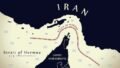
The Strait of Hormuz plays a crucial role in this standoff. As one of the world’s most important energy routes, any disruption has immediate global consequences.
Iran’s control over the strait during the conflict has already impacted global oil prices. By including it in the proposal, Tehran is using geography as leverage, while the US views free navigation as essential.
Economic Impact: Sanctions and Rising Oil Prices
The conflict has triggered significant economic effects. US sanctions and naval restrictions have reduced Iran’s oil revenues, while global markets have reacted to instability with rising energy prices.
This creates pressure on both sides Iran faces internal economic strain, while the global economy deals with higher costs and uncertainty.
Indirect Diplomacy: Pakistan’s Role
The use of Pakistan as an intermediary highlights the complexity of modern diplomacy. When direct communication is difficult, third-party channels allow negotiations to continue while preserving political positioning.
Possible Scenarios: What Happens Next?
- Revised Agreement: The US demands stricter terms, leading to a modified deal
- Stalemate: Ongoing negotiations without resolution
- Escalation: Breakdown in talks leading to renewed conflict
At present, a prolonged stalemate appears most likely, but the risk of escalation remains high.
Conclusion: Diplomacy at a Crossroads
Iran’s statement that the “ball is in the US court” reflects the current diplomatic standoff but the reality is more complex. Both sides are balancing pressure with the possibility of negotiation, making this a critical moment in the conflict.
The coming weeks will determine whether this proposal becomes a stepping stone toward peace or another missed opportunity. In a region already under strain, the stakes could not be higher.
For breaking news and live news updates, like us on Facebook or follow us on Twitter and Instagram. Read more on Latest World on thefoxdaily.com.



COMMENTS 0