- Why Iran Says It No Longer Trusts the United States
- The Shadow of the Collapsed Nuclear Deal Still Looms Large
- Why the Strait of Hormuz Matters to the Entire World
- Araghchi Says Situation Around Hormuz Is “Very Complicated”
- Trump’s Comments Added Pressure to the Situation
- Iran Still Leaves the Door Open for Diplomacy
- Why India Became an Important Venue for the Message
- The Global Oil Market Is Watching Closely
- China and Russia Could Play Larger Diplomatic Roles
- Conclusion: Iran-US Distrust Remains the Biggest Obstacle
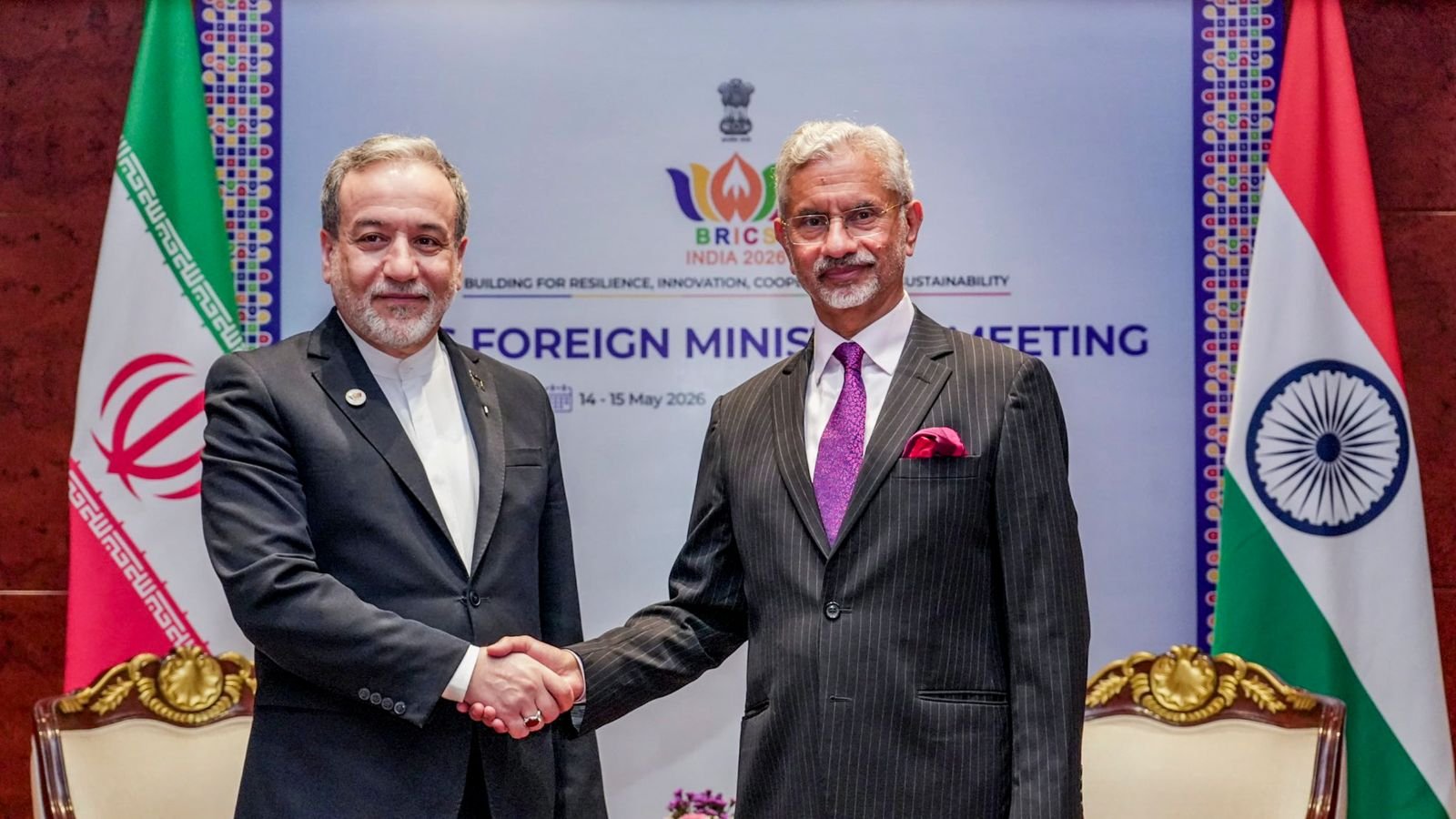
Iranian Foreign Minister Abbas Araghchi on Friday delivered one of Tehran’s clearest signals yet that relations with the United States remain deeply fragile despite ongoing diplomatic contacts and international mediation efforts.
Addressing reporters during the BRICS foreign ministers’ meeting in New Delhi, Araghchi said Iran has “no trust” in the United States and would engage in negotiations only if Washington demonstrates a serious, consistent and credible commitment to Diplomacy.
The remarks come at a particularly tense moment in global Geopolitics, with the Iran-US relationship once again becoming a focal point for concerns surrounding oil markets, regional security, nuclear negotiations and maritime stability in the Middle East.
More significantly, Araghchi’s comments on the Strait of Hormuz have renewed fears about one of the world’s most strategically important energy chokepoints.
Why Iran Says It No Longer Trusts the United States
Iran’s distrust toward Washington has been building for years, shaped by sanctions, military tensions, collapsed nuclear agreements and repeated diplomatic breakdowns.
According to Araghchi, the core problem is inconsistency.
Tehran believes the United States continues to combine diplomatic outreach with pressure tactics including sanctions, military threats and regional escalation.
Speaking on the sidelines of the BRICS gathering, Araghchi suggested negotiations can only move forward if the US adopts what he described as a “serious” and stable diplomatic approach.
The statement reflects a broader Iranian position that talks cannot succeed while economic pressure and strategic confrontation continue simultaneously.
Over recent years, Iran has repeatedly argued that Washington’s policy signals fluctuate too frequently depending on domestic politics, election cycles and international developments.
The Shadow of the Collapsed Nuclear Deal Still Looms Large
Much of the current distrust stems from the collapse of the 2015 Iran nuclear agreement, formally known as the Joint Comprehensive Plan of Action (JCPOA).
The agreement had placed limits on Iran’s nuclear activities in exchange for sanctions relief.
However, the deal unraveled after the United States withdrew and reimposed sweeping sanctions on Tehran.
Since then, negotiations aimed at restoring or reshaping the agreement have repeatedly stalled.
That History continues to shape every new diplomatic interaction between the two sides.
For Iranian officials, trust has become the central issue rather than merely technical nuclear terms.
Why the Strait of Hormuz Matters to the Entire World
Araghchi’s comments about the Strait of Hormuz may ultimately prove even more important than his remarks on diplomacy.
The narrow waterway remains one of the most critical energy transit routes on the planet.
Roughly a fifth of Global Oil shipments pass through the Strait of Hormuz, connecting major Gulf producers to international markets.
| Why the Strait of Hormuz Is Critical | Global Importance |
|---|---|
| Major oil transit route | Supports global energy supply chains |
| Connects Gulf producers to markets | Vital for Asia, Europe and global trade |
| Strategic military corridor | Constant focus of US-Iran tensions |
| Highly vulnerable chokepoint | Any disruption impacts oil prices instantly |
Because the strait is so narrow and strategically sensitive, even limited military incidents or shipping disruptions can trigger immediate volatility in global energy markets.
That is why every statement from Iranian or American officials regarding Hormuz is closely monitored by governments, oil traders and military planners worldwide.
Araghchi Says Situation Around Hormuz Is “Very Complicated”
During his remarks in New Delhi, Araghchi described the current situation around the Strait of Hormuz as “very complicated”.
Although Iranian officials have indicated commercial shipping can continue under certain conditions, the statement highlights how unstable the regional environment remains.
The warning comes after weeks of heightened tensions following the recent Iran-US confrontation and continued disagreements over sanctions, nuclear policy and regional military activity.
Even without a direct military conflict, uncertainty surrounding Hormuz alone can influence:
- Global crude oil prices
- Shipping insurance costs
- Energy import planning
- Stock markets
- Inflation expectations
Countries heavily dependent on imported energy including India, China, Japan and many European economies are particularly sensitive to instability in the region.
Trump’s Comments Added Pressure to the Situation
Araghchi’s remarks also came shortly after US President Donald Trump publicly stated that Iran must move quickly toward an agreement and ensure the Strait of Hormuz remains fully open.
Trump additionally said he and Chinese President Xi Jinping agreed that Iran should never obtain nuclear weapons.
The comments reflect a growing alignment among major powers around preventing further escalation involving Iran’s nuclear programme.
However, Tehran often interprets such statements as part of a broader pressure campaign rather than purely diplomatic engagement.
That dynamic helps explain why Iranian officials continue emphasizing distrust despite occasional signals of willingness to negotiate.
Iran Still Leaves the Door Open for Diplomacy
Despite the sharp rhetoric, Iran has not entirely closed the door on negotiations.
Araghchi and other Iranian officials have repeatedly indicated that diplomacy remains possible if certain conditions are met.
Iran’s position generally centers on:
- Reduced sanctions pressure
- Consistent diplomatic commitments
- Security guarantees
- Recognition of Iran’s regional interests
- Avoidance of military escalation
Earlier this year, Araghchi had described a possible agreement with the United States as “within reach” if diplomacy was prioritized over confrontation.
That suggests Tehran still sees negotiations as strategically useful but only under terms it considers credible.
Why India Became an Important Venue for the Message
The timing and location of Araghchi’s remarks are also significant.
India maintains important relationships with both Iran and the United States, making New Delhi an influential diplomatic platform for such messaging.
The BRICS meeting provided Iran with an opportunity to:
- Present its position to major emerging economies
- Signal openness to diplomacy without appearing weak
- Highlight concerns about US policy consistency
- Reinforce support for multipolar global politics
Iran has increasingly used multilateral forums like BRICS to strengthen ties with countries seeking alternatives to Western-dominated geopolitical structures.
That strategy has become especially important as Tehran attempts to reduce the impact of Western sanctions and diplomatic isolation.
The Global Oil Market Is Watching Closely
One major reason international markets pay close attention to Iran-US tensions is the direct impact on energy prices.
Even small escalations involving the Strait of Hormuz can rapidly affect global oil benchmarks.
Energy traders are particularly sensitive because the region remains difficult to predict.
Unlike many geopolitical disputes that evolve gradually, tensions involving Hormuz can escalate quickly due to:
- Naval incidents
- Military deployments
- Drone activity
- Shipping disruptions
- Sanctions enforcement actions
That unpredictability keeps global markets highly reactive to statements from both Tehran and Washington.
China and Russia Could Play Larger Diplomatic Roles
Another important development is the growing involvement of countries like China and Russia in Middle East diplomacy.
Beijing, in particular, has expanded its regional influence significantly over recent years while maintaining strong energy and trade relationships with Iran.
Trump’s recent discussions with Xi Jinping about Iran underscore how the issue has evolved into a broader global strategic concern rather than simply a bilateral US-Iran dispute.
As multipolar diplomacy grows, countries such as China and India may increasingly act as balancing powers capable of influencing negotiations indirectly.
Conclusion: Iran-US Distrust Remains the Biggest Obstacle
Abbas Araghchi’s comments in New Delhi reveal that despite occasional diplomatic openings, deep mistrust continues defining the relationship between Iran and the United States.
While both sides still publicly leave room for negotiations, the core dispute now extends beyond nuclear policy alone.
The real issue has become credibility.
Iran believes Washington’s approach combines diplomacy with pressure and unpredictability, while the United States continues viewing Iran’s nuclear and regional activities as major security concerns.
Meanwhile, the Strait of Hormuz remains a dangerous geopolitical flashpoint capable of affecting global energy markets within hours of any escalation.
For now, diplomacy appears possible but fragile.
And as both Tehran and Washington continue testing each other’s intentions, the world will be watching closely because the consequences of failure would extend far beyond the Middle East.
For breaking news and live news updates, like us on Facebook or follow us on Twitter and Instagram. Read more on Latest World on thefoxdaily.com.



COMMENTS 0