
Iran has proposed reopening the strategically important Strait of Hormuz within two days if the United States agrees to meet a series of conditions set by Tehran, Foreign Minister Abbas Araghchi has said. The proposal follows discussions with Qatari mediators as diplomatic efforts continue to find a way forward in the ongoing confrontation between Washington and Tehran.
Speaking to Al Jazeera on October 31, Araghchi said consultations with Qatar had helped reduce the proposed implementation period. Iran had initially presented a longer timetable, but the latest discussions have resulted in a plan that could restore maritime movement through the waterway within 48 hours if the United States fulfils the required conditions.
The proposal links the reopening of the Strait of Hormuz to wider political and economic demands. These include lifting certain sanctions, restoring oil waivers, releasing frozen Iranian assets and reducing the American military presence in the region.
Iran’s Two-Day Proposal to Reopen the Strait of Hormuz
Araghchi said Qatar had proposed shortening the implementation period of Iran’s earlier plan to five days. Following further discussions, the two sides reached a proposal that reduces the timeline to two days.
“The Qatari side proposed shortening the implementation period of the Iranian proposal to five days. We have reached a proposal at this stage that reduces the implementation period to two days,” Araghchi told Al Jazeera.
The proposed timeline is conditional on Washington accepting Tehran’s demands. Iran has made clear that reopening the waterway and restoring normal maritime passage are connected to the broader diplomatic arrangements it wants the United States to accept.
Araghchi said reopening the strait in accordance with Iran’s conditions could create an opportunity to resume negotiations with Washington over unresolved issues. However, he indicated that Tehran was not currently seeking direct talks with American officials.
What Conditions Has Iran Set for Reopening Hormuz?
Araghchi outlined several demands that Iran wants the United States to address before the proposed reopening can move forward. The conditions concern economic restrictions, frozen assets, military deployments and arrangements governing maritime traffic through the Strait of Hormuz.
1. Lifting Sanctions Imposed After the Islamabad Memorandum
Iran wants Washington to lift sanctions imposed following the Islamabad memorandum. Tehran considers sanctions relief an important part of any arrangement intended to reduce tensions and restore economic activity.
The demand reflects Iran’s position that restrictions affecting its economy should be addressed as part of the broader agreement rather than treated as a separate issue after the reopening of the waterway.
2. Reducing US Military Forces in the Region
Another condition involves reducing the presence of American military forces in the region. Araghchi said Tehran wants Washington to scale back its military deployment as part of the proposed arrangement.
The demand highlights the security dimension of the negotiations. Iran’s proposal is not limited to restoring commercial shipping through the strait but also seeks changes to the wider military situation surrounding the confrontation.
3. Restoring Oil Waivers
Tehran is also demanding the restoration of oil waivers. These exemptions are linked to Iran’s ability to sell oil despite restrictions imposed by Washington.
Restoring the waivers would form part of the economic relief Iran is seeking before agreeing to the proposed reopening arrangement.
4. Releasing Frozen Iranian Funds
Araghchi said Iran wants the release of all its frozen funds, including money held in Qatar. The demand is another major financial component of Tehran’s proposal.
The release of frozen assets has been a recurring issue in discussions involving Iran and the United States. Tehran is seeking access to these funds as part of the conditions for moving towards a wider diplomatic understanding.
5. Agreement on Shipping Routes Through the Strait
Iran is also seeking recognition of shipping routes through the Strait of Hormuz that it has discussed with Oman. Araghchi said Tehran wants these routes recognised while other routes through the waterway would be closed.
This demand concerns how commercial vessels would navigate the strait if maritime movement resumes. It indicates that the proposed reopening would involve arrangements over shipping access and routes rather than simply removing all restrictions without conditions.
Qatar Plays a Key Role in US-Iran Diplomatic Contacts
Qatar has emerged as an important intermediary in the latest diplomatic efforts between Tehran and Washington. The discussions have involved consultations between Iranian officials and Qatari representatives, with the aim of identifying an arrangement that could reduce tensions and restore movement through the strategic waterway.
Araghchi said a Qatari proposal helped shorten the implementation period for reopening the strait. The latest discussions have also involved wider questions concerning sanctions, frozen funds and the military presence of the United States in the region.
An Iranian delegation travelled to Doha after Qatari mediators held discussions in Tehran. Araghchi said one of his aides was in Qatar to continue consultations, while Qatari and Pakistani mediators were maintaining contact over Iran’s conditions.
The involvement of multiple mediators reflects the difficulty of arranging direct negotiations between the two sides. Qatar has been involved in communicating proposals, while Pakistan has also participated in diplomatic consultations.
Araghchi Calls US Outreach a Positive Step but Rules Out Immediate Meeting
Alongside the discussions over the Strait of Hormuz, Araghchi addressed recent communication from Washington. He said Iran had studied a letter sent by US Vice President JD Vance during high-level meetings in Tehran.
The Iranian foreign minister described the American effort to open a channel for dialogue as a positive development, although he warned that the intention behind the communication would matter.
“The American side’s attempt to open the door to dialogue and understanding more broadly is a positive step,” Araghchi said.
He also cautioned that if Washington’s objective was to create divisions within Iran, the move would represent another mistake. His remarks suggested that Tehran was willing to examine diplomatic proposals but remained cautious about the intentions behind American communication.
Araghchi dismissed reports suggesting that a meeting between Iranian and American officials was imminent. He said there was no need for direct talks at the current stage because Iran’s conditions were already clear and mediators were continuing their consultations.
He added that decisions about whether future negotiations would be direct or indirect would depend on whether Tehran’s conditions were met.
Nuclear Issue Could Form Part of a Second Phase of Negotiations
Araghchi also referred to proposals concerning Iran’s nuclear programme, saying mediators had presented ideas that Tehran was reviewing as part of a second phase of discussions.
The comments suggest that the diplomatic process could extend beyond the immediate question of reopening the Strait of Hormuz. The nuclear issue remains one of the major unresolved subjects between Iran and the United States.
For now, Tehran appears to be linking the reopening of the waterway to its immediate conditions, while leaving broader negotiations for a subsequent stage. The sequence of any agreement will therefore be an important issue in determining whether the latest diplomatic efforts can produce a breakthrough.
Why the Strait of Hormuz Matters to Global Energy Supplies
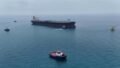
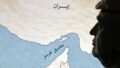
The Strait of Hormuz is one of the world’s most important maritime energy corridors. Located between Iran and Oman, it connects the Persian Gulf with the Gulf of Oman and the wider Arabian Sea.
The waterway is a critical route for international shipments of crude oil and liquefied natural gas. Major energy exporters in the Gulf depend on it to transport supplies to international markets, making disruptions a concern for energy-importing countries and global shipping companies.
Any restrictions on commercial movement through the strait can affect shipping schedules, energy supply expectations and transportation costs. Uncertainty over access can also influence oil market sentiment because traders and importers closely monitor developments in the region.
A reopening under the proposed arrangement could therefore have implications beyond Iran and the United States. However, the extent of any improvement would depend on the terms of the agreement, the security situation and whether commercial vessels can resume passage reliably.
Iran Says It Is Prepared for Possible Military Escalation
Despite describing US outreach as a positive step, Araghchi said Iran was not ruling out the possibility of another military confrontation. He maintained that the country was prepared for different scenarios.
“We are prepared for all scenarios,” he said, adding that Iran had upgraded its weaponry, addressed vulnerabilities and tested new arms. He also said Iranian forces were at a high level of readiness.
The remarks underline the contrast between Tehran’s diplomatic engagement and its security position. Iran is continuing discussions through regional mediators while warning that it remains prepared to respond if military action resumes.
The latest comments came amid wider regional tensions and concerns about the possibility of renewed US or Israeli strikes. The diplomatic process is therefore unfolding alongside continued military uncertainty.
What Happens Next in the US-Iran Negotiations?
The immediate question is whether Washington will accept the conditions outlined by Tehran. Iran has linked the proposed two-day reopening timeline to sanctions relief, the release of frozen funds, restored oil waivers and a reduction in US military forces in the region.
Qatari and Pakistani mediators are continuing consultations, while Iranian officials review proposals concerning both the reopening of the strait and the wider diplomatic agenda. The latest communication from Washington has been described by Araghchi as a positive step, but no immediate direct meeting between the two governments has been confirmed.
The proposal does not mean that the Strait of Hormuz is guaranteed to reopen within two days. Its implementation depends on the United States accepting Iran’s conditions and on the parties reaching an arrangement over the relevant political, economic and maritime issues.
For global energy markets and shipping operators, the coming diplomatic discussions will be closely watched. A successful agreement could provide a route towards restoring commercial movement through one of the world’s most important waterways. If the conditions remain unresolved, however, uncertainty over the strait and the wider confrontation could continue.
For now, Iran’s two-day proposal represents a new stage in mediation efforts led by Qatar and supported by regional diplomatic contacts. Whether it becomes an actual reopening plan will depend on Washington’s response and the ability of both sides to reach an agreement.
For breaking news and live news updates, like us on Facebook or follow us on Twitter and Instagram. Read more on Latest World on thefoxdaily.com.




COMMENTS 0