- From Celebration to Crackdown: What Changed?
- Why the Arrests Matter Beyond Individuals
- A Familiar Pattern in Madagascar’s Political History
- The Gen Z Movement: What They Really Want
- Economic Frustration Is Fueling Political Discontent
- Geopolitics Adds Another Layer of Complexity
- The Constitution Question: The Real Battleground
- A Critical Insight: The “Revolution Trap”
- What Happens Next?
- Conclusion: A Defining Test for Madagascar’s New Leadership
What began as a youth-driven wave of hope in Madagascar is rapidly turning into frustration and fear. Just months after mass protests forced a political transition, the arrest of Gen Z activists has raised uncomfortable questions: is the new regime truly different, or is History repeating itself?
In April 2026, several young protesters were detained after demonstrating for something fundamental in any democracy clarity on elections. Their arrests have not only intensified tensions on the streets but also shaken the confidence of a generation that once believed it had reshaped the country’s political future.
From Celebration to Crackdown: What Changed?
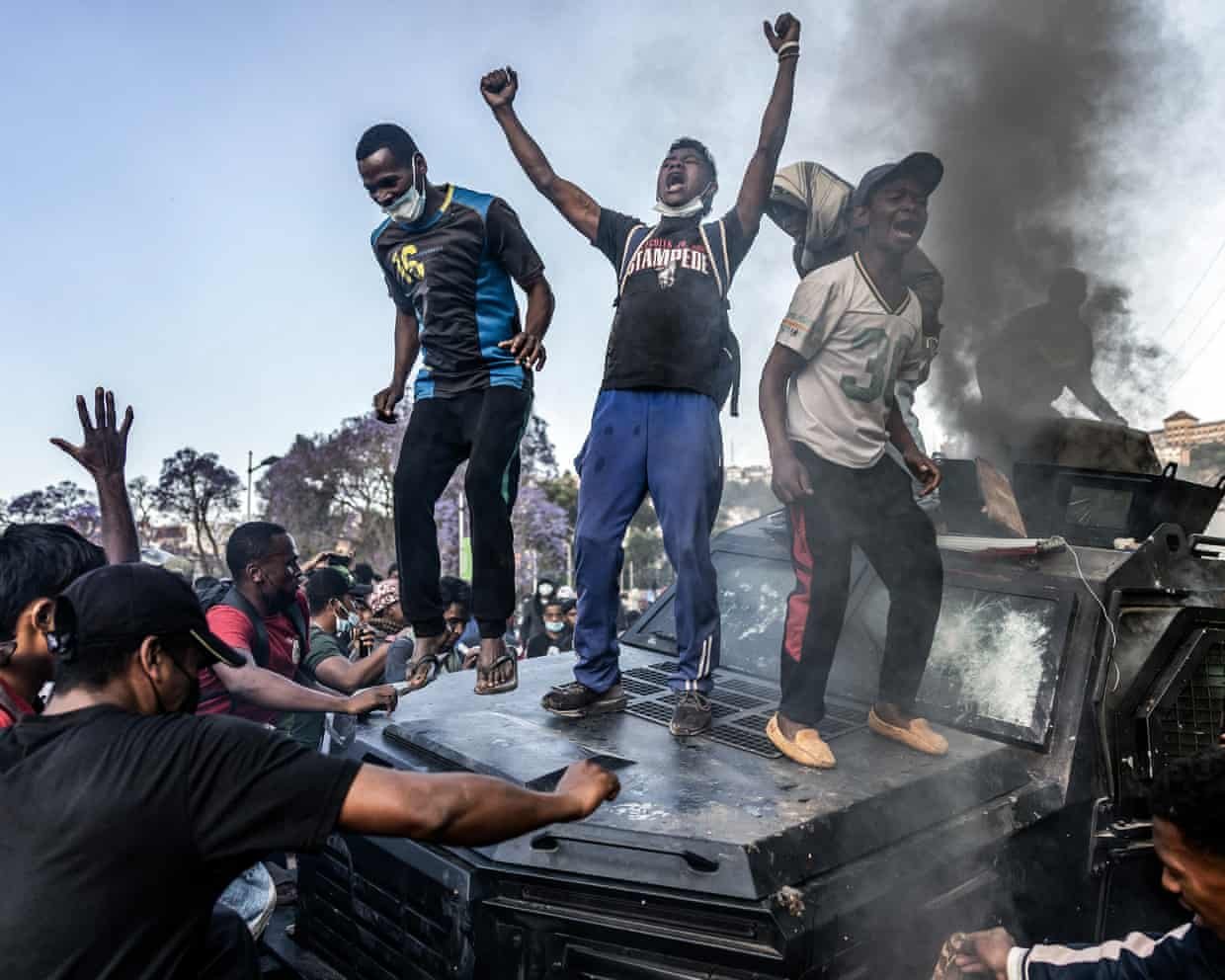
In October 2025, Madagascar witnessed a dramatic political shift. Weeks of youth-led protests largely decentralized and powered by Social Media culminated in the fall of the previous government. For many young people, it felt like a turning point.
But revolutions are easier to start than to sustain.
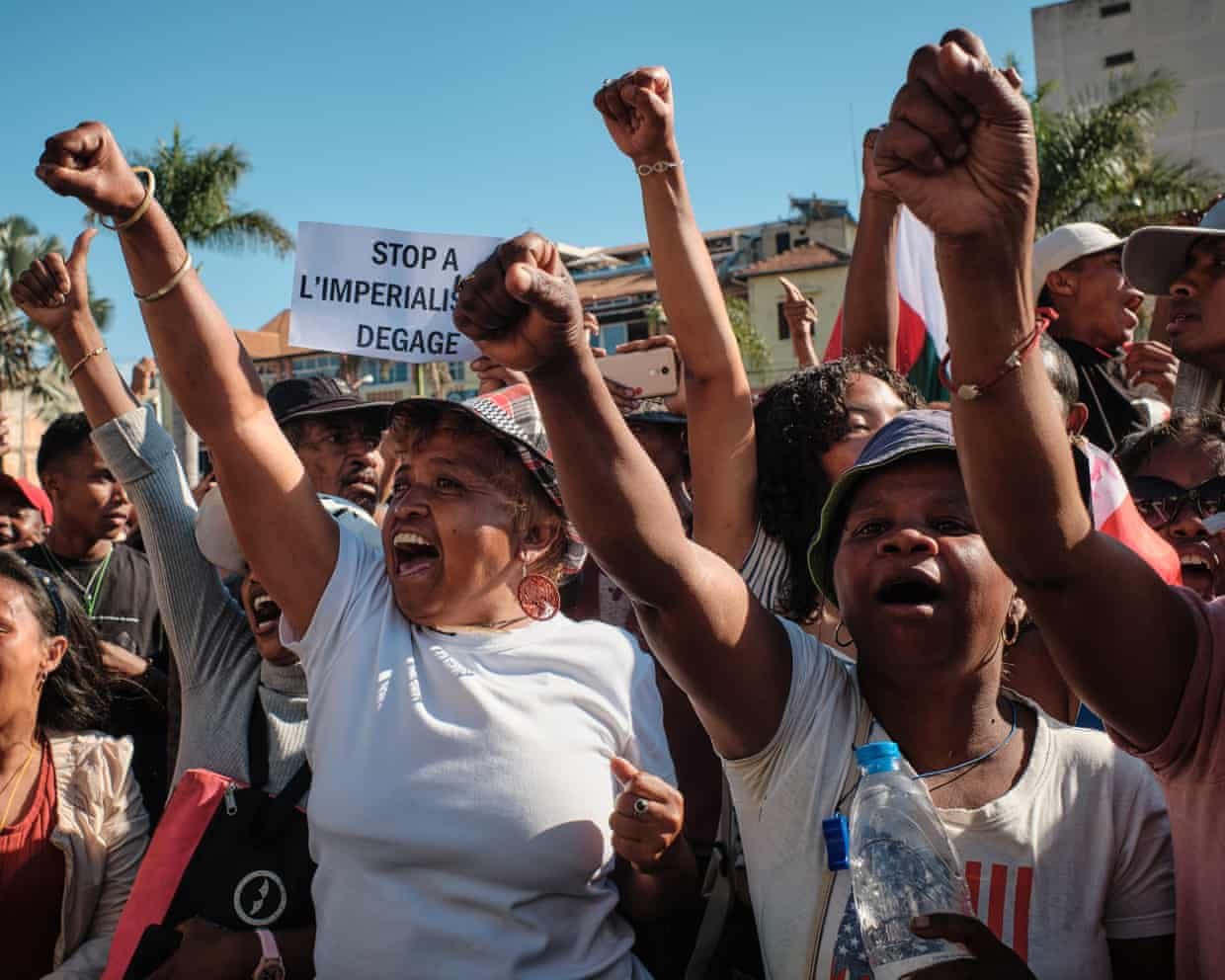
Fast forward to 2026, and the mood has shifted. The arrest of multiple Gen Z activists following peaceful protests has sparked widespread concern. Demonstrators had gathered to demand a clear timeline for elections an expectation in any transitional government.
Instead of answers, they were met with detentions and serious charges, including allegations tied to National Security.
Why the Arrests Matter Beyond Individuals
At first glance, the arrests may seem like isolated legal actions. But in fragile political environments, such moves carry deeper implications.
- Signal to dissenters: Crackdowns can discourage public participation and activism
- Test of democratic intent: Transitional governments are judged by how they handle criticism
- Trust deficit: Youth movements rely heavily on transparency and accountability
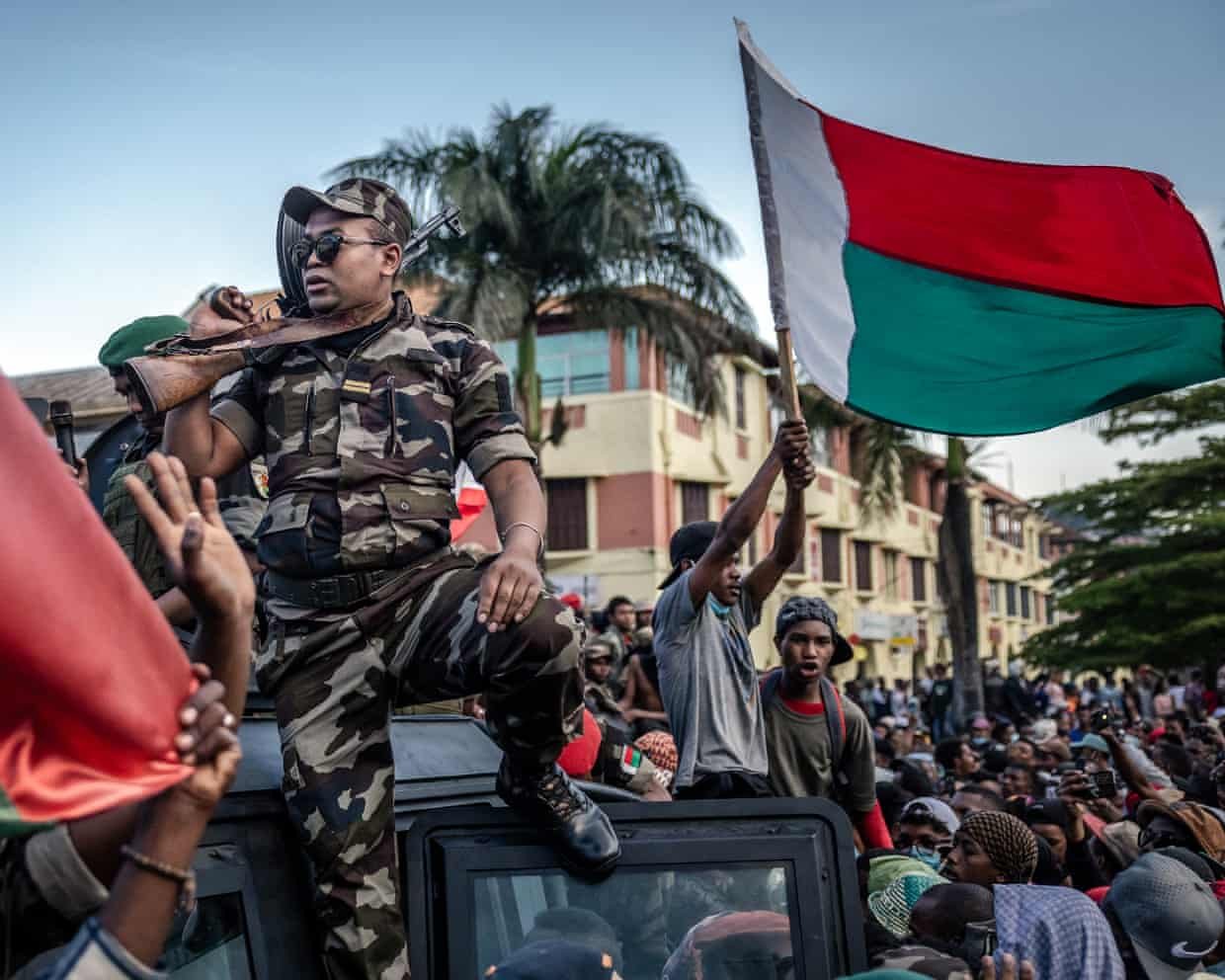
For many young activists, this moment feels like a turning point not just politically, but psychologically.
A Familiar Pattern in Madagascar’s Political History
Madagascar is no stranger to political instability. Since gaining independence, the country has experienced multiple coups, contested elections, and cycles of reform followed by stagnation.
This pattern has created a deep-rooted skepticism among citizens, especially younger generations. While each new regime promises change, structural issues corruption, weak institutions, and economic inequality often persist.
The current situation risks reinforcing that narrative.
The Gen Z Movement: What They Really Want
Contrary to some assumptions, the Gen Z protest movement is not driven solely by political ideology. Its demands are largely practical and reform-oriented.
Core Demands Include:
- Clear and transparent election timelines
- Constitutional reforms to improve governance
- Fair electoral systems not dominated by wealth
- Accountability in public services like water and electricity
These are not radical demands they are foundational expectations in a functioning democracy.
Economic Frustration Is Fueling Political Discontent
Political instability cannot be separated from economic reality. Madagascar remains one of the poorest countries in the world, with millions facing daily challenges related to basic services and income security.
Despite the change in leadership, many citizens report little improvement in their daily lives.
| Issue | Status Before Transition | Status After Transition |
|---|---|---|
| Electricity Supply | Frequent outages | Largely unchanged |
| Water Access | Limited reliability | No major improvement |
| Economic Opportunities | Low employment growth | Still stagnant |
| Public Trust | Declining | Further eroding |
When political change does not translate into economic progress, frustration tends to escalate quickly especially among young populations.
Geopolitics Adds Another Layer of Complexity
One of the more controversial aspects of the new regime has been its growing closeness to Russia. Military cooperation, including equipment support, has raised concerns among civil society groups.
This has sparked fears of external influence shaping domestic politics a sensitive issue in a country with a colonial past and ongoing struggles with sovereignty.
For many activists, the concern is not about choosing one global partner over another, but about maintaining independence and avoiding “state capture” by foreign interests.
The Constitution Question: The Real Battleground
While election timelines dominate headlines, many activists argue that the deeper issue lies in constitutional reform.
A flawed system, they say, will continue to produce flawed outcomes regardless of who is in power.
Key concerns include:
- Electoral systems favoring wealthy candidates
- Lack of institutional checks and balances
- Weak enforcement of anti-corruption measures
Without addressing these structural issues, elections alone may not deliver meaningful change.
A Critical Insight: The “Revolution Trap”
Madagascar’s current situation highlights a broader phenomenon often seen globally the “revolution trap.”
This occurs when:
- A movement successfully removes an existing regime
- But lacks the institutional framework to implement reforms
- Allowing old patterns to re-emerge under new leadership
In such scenarios, initial optimism gives way to disillusionment, as systemic problems remain unresolved.
Madagascar appears to be at risk of falling into this cycle.
What Happens Next?
Short-Term Outlook
- Continued protests and public pressure
- Heightened scrutiny of government actions
- Potential for further arrests or concessions
Medium-Term Risks
- Erosion of youth engagement in politics
- Increased polarization between state and civil society
- Declining international confidence
Long-Term Possibility
If handled carefully, this moment could still become a turning point. Transparent reforms, genuine dialogue, and institutional strengthening could rebuild trust.
But the window for action is narrowing.
Conclusion: A Defining Test for Madagascar’s New Leadership
The arrests of Gen Z activists are more than a legal issue they are a litmus test for Madagascar’s political future.
Will the new regime break away from the patterns of the past, or fall into the same cycle of control and disillusionment?
For a generation that risked everything to demand change, the answer matters deeply. Their optimism may be fading, but their expectations remain clear: transparency, accountability, and real reform.
Whether Madagascar moves forward or repeats history will depend on how its leaders respond in the coming weeks and months.
For breaking news and live news updates, like us on Facebook or follow us on Twitter and Instagram. Read more on Latest World on thefoxdaily.com.






COMMENTS 0