How Marco Rubio’s Memo Brought the Huang Controversy to Trump
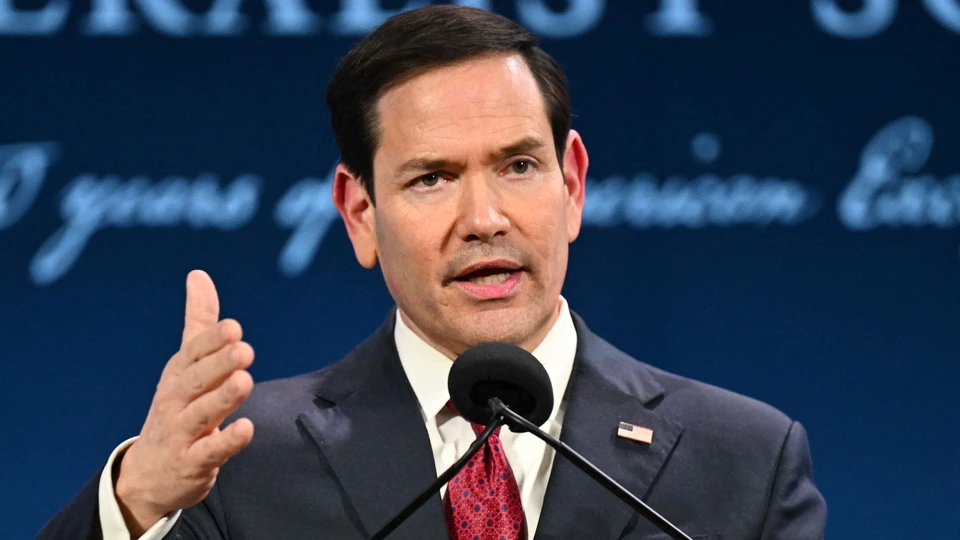
According to a report by The Washington Post, Rubio played a central role in bringing intelligence concerns about Huang’s relationship with a woman suspected of working for Chinese intelligence to President Donald Trump.
Rubio reportedly sent Trump a memo based on a CIA report examining the relationship. However, a person familiar with the matter told the newspaper that Rubio presented the intelligence findings in stronger terms than the original agency assessment.
The distinction is significant because the memo reportedly went beyond simply relaying the CIA’s findings. Rubio recast the information in more assertive language, bringing the issue directly to the president at a time when Huang had considerable access to the White House.
The contents of the memo later surfaced in media reports, triggering wider scrutiny of Huang’s relationship and raising questions about whether the Nvidia chief could have been exposed to a foreign intelligence operation.
The allegations involving the woman have not been publicly established as fact. US intelligence officials reportedly suspect her of having links to Chinese intelligence, but that suspicion should not be treated as proof of espionage.
Huang’s Relationships Triggered Nvidia Board Investigation
The controversy intensified after reports emerged about Huang’s relationship with a woman who was an executive at an Nvidia customer. US intelligence agencies reportedly suspected the woman of being a Chinese intelligence asset.
Huang acknowledged having an affair with the executive and apologised. The revelations prompted Nvidia’s board to launch an investigation into whether the relationship had created National Security risks or exposed the company to a foreign intelligence effort.
The company’s inquiry came amid growing questions about the possibility of sensitive business or technology information being compromised. Nvidia is a major supplier of advanced processors used to develop Artificial Intelligence systems, making its relationships with customers and overseas partners a matter of strategic interest to Washington.
Huang’s position became more difficult after reports emerged of another affair, this time involving an Nvidia subordinate. The additional allegations added to the pressure surrounding his leadership.
Huang resigned on Thursday, November 12, 2026, ending his tenure as Nvidia’s chief executive. The company appointed Chief Financial Officer Colette Kress as interim CEO while its board began searching for a permanent successor.
President Trump continued to praise Huang publicly after the resignation, describing him as a “legend” who had “done a fantastic job”. His comments reflected the close relationship the two had developed during Trump’s presidency, particularly over US policy on artificial intelligence and semiconductor exports to China.
Rubio Avoids Questions About His Role in the Controversy
Rubio faced questions about his involvement in the episode during the Group of Seven summit in Paris. He declined to discuss the details of his role in informing the White House about the intelligence concerning Huang.
When asked about negotiations with China over artificial intelligence, Rubio emphasised that Washington’s decisions must be guided by American national interests.
“The Chinese system is always going to act in the best interest of the Chinese system, and the United States will always act in the best interest of the United States. I work for the American people.”
His remarks reflected the broader disagreement within the Trump administration over how to balance commercial opportunities with national security concerns. Officials favouring tighter restrictions have argued that allowing China access to advanced American chips could strengthen its military and technological capabilities.
Huang, by contrast, had argued that US companies should continue selling to the Chinese market rather than surrendering business to domestic competitors in China. That position made him an influential voice in the debate over export controls.
Jensen Huang’s Support for Selling Nvidia Chips to China
Before his departure, Huang repeatedly argued that restricting American chip exports could weaken US companies over the long term. He maintained that keeping Nvidia products available in China would help American firms retain customers, influence technology standards and compete against Chinese semiconductor manufacturers.
In a September 2025 podcast interview, Huang criticised supporters of tougher restrictions on China. He argued that describing someone as a “China hawk” should not be considered a badge of honour.
“They think they’re doing the right thing for our country, but it’s not patriotic,” he said. “Not even a little bit.”
His position put him at odds with lawmakers and national security officials who viewed advanced AI chips as strategically sensitive technology. They argued that access to high-performance processors could help Chinese companies develop more powerful AI systems, including technologies with potential military applications.
Huang’s relationship with Trump gave him an opportunity to make his case directly to the president. The two shared an interest in maintaining America’s leadership in artificial intelligence, but differed from national security officials over the risks of allowing advanced chips to reach Chinese customers.
Trump’s H200 Chip Decision Became a Major Policy Dispute
The disagreement became particularly visible in December 2025, when Trump approved sales of Nvidia’s H200 artificial intelligence chips to China in exchange for a share of the revenue.
The decision represented a significant policy shift and gave Nvidia an opportunity to serve customers in a market that had been affected by US export restrictions. It also intensified criticism from officials and lawmakers who believed that advanced American processors should remain out of China’s reach.
Commerce Secretary Howard Lutnick described the agreement as the result of discussions between Huang and Trump during an interview with CNBC.
“So it’s the great American technologist talking to the great businessman president, and they reached what they thought was the right answer for this particular moment,” Lutnick said.
The arrangement illustrated the competing priorities facing the administration. Allowing sales could support Nvidia’s commercial interests and preserve a role for American technology in the Chinese market. Restricting exports, however, could limit China’s access to advanced computing resources.
For critics of the policy, the intelligence concerns surrounding Huang’s relationship have added another dimension to the debate. They argue that decisions involving advanced chip exports should be assessed primarily through national security considerations rather than the commercial interests of individual companies.
Huang’s Exit Could Give Export Control Bills Fresh Momentum
Huang’s departure could make it easier for lawmakers seeking tougher restrictions on China’s access to American artificial intelligence technology to advance their proposals.
Several measures are being considered as part of a major defence bill. The proposals described in the report focus on three broad areas: restricting exports of powerful AI processors, improving technology to detect attempts to smuggle advanced chips and limiting China’s access to equipment used in semiconductor manufacturing.
The proposals would expand the debate beyond individual chip sales. They could also strengthen oversight of how advanced processors are distributed, identify efforts to bypass export restrictions and address the equipment needed to manufacture high-performance semiconductors.
Rep. John Moolenaar, chairman of the House Select Committee on China, said American technology companies should remain successful but must not compromise national security by giving Chinese businesses access to their most advanced products.
“It is in our national interest for NVIDIA and our other AI champions to succeed, but American companies should never jeopardize our nation’s security by giving Chinese companies access to their most advanced chips.”
Sen. Jim Banks also supported stronger restrictions, arguing that Nvidia’s responsibilities should include prioritising American customers and national security.
“Nvidia’s first obligation should be to American customers and American security.”
Banks added that Congress already had several proposals prepared to address what he described as loopholes in existing restrictions. He expressed increased optimism that the measures could pass.
Why the Controversy Matters for the US-China AI Rivalry
The developments surrounding Huang have brought together two issues that are increasingly difficult for Washington to separate: the security of advanced technology and the commercial interests of American technology companies.
Nvidia occupies a central position in the global AI industry because its processors are widely used to train and operate advanced artificial intelligence systems. Decisions about where these chips can be sold therefore carry implications for competition between the United States and China.
Supporters of tighter export controls argue that limiting access to the most advanced processors can help preserve America’s technological advantage and reduce the risk of sensitive capabilities being used by China’s military. Those favouring continued trade warn that excessive restrictions could encourage Chinese companies to develop domestic alternatives and reduce the influence of US technology providers.
Huang had been one of the most prominent industry voices arguing for continued access to the Chinese market. His resignation removes an influential executive from that policy debate, although it does not resolve the underlying disagreement.
His departure also raises questions about how Nvidia will approach its relationship with Washington under interim CEO Colette Kress. The company’s board is searching for a permanent successor, while lawmakers are considering measures that could reshape the rules governing advanced chip exports.
What Happens Next for Nvidia and US Chip Policy?
The immediate focus is likely to remain on Nvidia’s internal investigation, the circumstances surrounding Huang’s resignation and the company’s leadership transition. The board has appointed Kress as interim CEO while it considers candidates for the permanent position.
At the same time, Congress faces decisions over whether to tighten export controls and introduce additional safeguards against chip smuggling. The proposals could influence Nvidia’s access to overseas markets and the ability of Chinese companies to obtain advanced American technology.
The CIA-based memo described by The Washington Post has also raised questions about how intelligence assessments are communicated to senior officials and how those assessments can influence major corporate and national security decisions.
Although the allegations involving Huang’s relationship remain distinct from the wider debate over chip exports, the two issues have become closely connected in Washington. His exit may change the balance of influence in that debate, but the future of US-China technology policy will ultimately depend on decisions made by the White House and Congress.
For breaking news and live news updates, like us on Facebook or follow us on Twitter and Instagram. Read more on Latest World on thefoxdaily.com.



COMMENTS 0