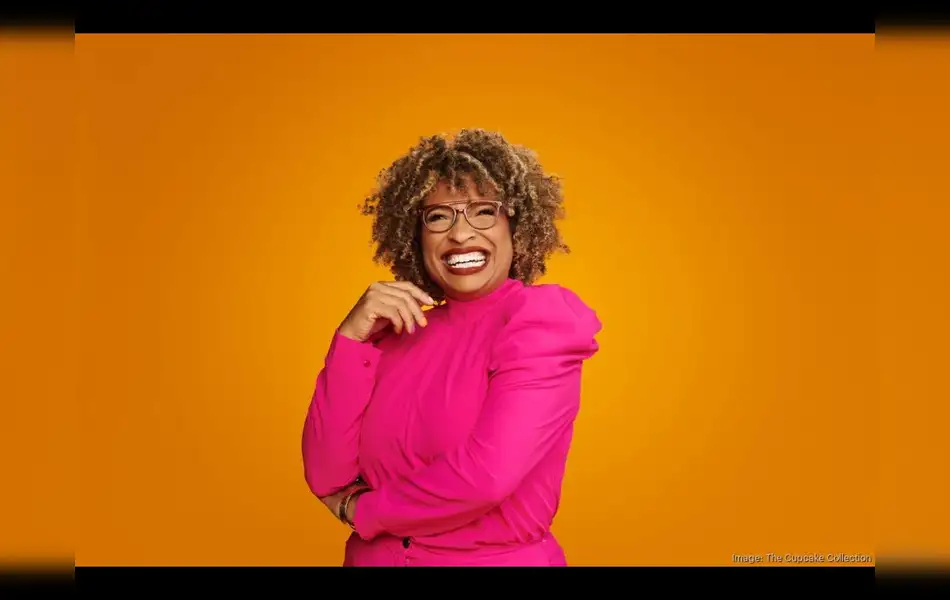
When Mignon Francois moved to Nashville, Tennessee, with her family in 2004, the fresh start she had hoped for quickly turned into a financial struggle. The job opportunity that had brought the family to the city fell through, leaving them dealing with debt, uncertainty and the pressure of meeting everyday expenses.
There were days when even basic necessities such as electricity, water and food were difficult to afford. Francois has recalled living in a house without electricity and depending on a generator. She would conserve fuel during the day so her children could have enough power in the evening, while carefully managing water to ensure they could bathe with warm water.
At the time, she was a stay-at-home mother raising a large family and looking for a practical way to bring in money. She had no professional baking experience, no established business and very little capital. What she did have was a connection to her family’s food traditions and a determination to change their circumstances.
That determination eventually led to The Cupcake Collection, a bakery that grew from a small home-based operation into a recognised business with millions of cupcakes sold.
Who Is Mignon Francois?
Mignon Francois is an American entrepreneur, baker and founder of The Cupcake Collection, a bakery brand that began in Nashville in 2008. Originally from New Orleans, Louisiana, she built the business around homemade-style cupcakes, family traditions and the idea that a small beginning does not have to limit a person’s ambitions.
Before becoming a bakery owner, Francois was primarily focused on managing her household and raising her children. She has described herself as a household manager rather than simply a stay-at-home mother. Her early business journey was closely connected to her desire to provide more stability for her family, including money for groceries, household bills and her children’s school activities.
Francois did not begin with formal training as a pastry chef. In fact, she has openly said that she could not bake a cake, even from a boxed mix, when the idea of starting a bakery first emerged. Her daughters initially enjoyed baking, and Francois considered turning their interest into a small home business.
When that plan did not develop as expected, she reached out to her grandmother in Louisiana. That phone call became one of the most important turning points in her entrepreneurial journey.
Francois is also the author of Made from Scratch: Finding Success Without a Recipe, a book about her experiences building a business without the advantages of money, industry knowledge or a ready-made blueprint. Through speaking engagements and Entrepreneurship initiatives, she has also shared lessons from her journey with aspiring business owners.
How Her Grandmother’s Baking Knowledge Inspired The Cupcake Collection
Francois’ grandmother was known for making delicious cakes, including strawberry and coconut varieties. Rather than relying on written recipes, she measured ingredients through experience, using her hands and familiar visual references to determine quantities.
When Francois asked her grandmother to teach her how to make a cake, she received instructions over the telephone. Her grandmother explained how much of each ingredient to use through simple measurements based on the palm of a hand or the space between fingers.
The first attempts were not necessarily perfect. Francois had to practise, adjust the measurements and understand how the ingredients worked together. She gradually converted her grandmother’s informal instructions into repeatable measurements that could produce consistent results.
This was an important step because a family recipe and a commercial product require different levels of consistency. A cake made successfully once is not automatically a product that can be prepared in larger quantities while maintaining the same taste and texture.
Francois therefore had to develop more than a baking skill. She needed a reliable recipe that customers would recognise and enjoy every time they ordered from her.
Her grandmother’s knowledge gave her the starting point, while repeated experimentation helped turn that knowledge into the foundation of a business.
The $5 That Started a Cupcake Business
The turning point came when Francois had only $5 left in her savings and was struggling to decide how to feed her family. She had been listening to financial advice about using bake sales to generate money and gradually build a business.
She had already started introducing her baking to people in the neighbourhood. As the area around her home was undergoing redevelopment, she approached real estate agents, developers and other local residents, offering them cupcakes to try. These early interactions helped her introduce the products and build relationships with potential customers.
One day, a neighbour approached her with an order for cupcakes to give to her clients during the holiday season. Francois had very little money to purchase ingredients, but she decided to use the final $5 she had available for the opportunity.
She went to a nearby grocery store and bought what she could afford. Instead of treating the money as an expense with no guaranteed return, she used it to prepare cupcakes for the customer.
The order generated approximately $60. Francois then reinvested that money into the business, purchasing additional supplies and equipment. By the end of the week, she had turned the initial $60 into around $600 in sales.
The amounts were small compared with the business she would eventually build, but the experience demonstrated something important: customers were willing to pay for her products, and the money earned could be used to finance the next round of baking.
Her early success was not the result of a large investment or an established network of suppliers. It came from finding a customer, fulfilling an order and putting the earnings back into the operation.
From a Home Kitchen to The Cupcake Collection
Francois began developing the bakery from her home, using the space and equipment available to her. The family worked together as the business took shape, turning a personal effort to earn extra money into a more organised operation.
She spent around two years working on the business before opening its first formal location. During this period, she had to learn several aspects of running a food business, including preparing products consistently, serving customers and understanding the requirements involved in operating a commercial bakery.
On November 9, 2008, The Cupcake Collection officially opened in Nashville. The first operation was modest, with a dorm-sized refrigerator and a KitchenAid mixer. Francois used part of her former living space to establish a setup that could meet the requirements of a health inspection.
The bakery’s early model was rooted in direct customer relationships. People in the neighbourhood became familiar with the products, and word-of-mouth recommendations helped bring more customers to the business.
As demand increased, the operation began attracting attention beyond the immediate neighbourhood. What had started as a way to cover household expenses was becoming a destination for people looking for homemade-style cupcakes.
The business also helped Francois protect her family’s financial future. The family had faced the risk of losing its home, and the growing bakery became an important source of income during a particularly difficult period.
How The Cupcake Collection Grew Into a Multimillion-Dollar Business
Building a successful bakery requires more than producing a popular recipe. A business must be able to handle increasing orders, maintain quality, manage costs and develop a customer base that returns regularly.
For Francois, the first stage of growth came through local demand. The neighbourhood provided an early market, while customers who enjoyed the cupcakes helped introduce the brand to others.
Over time, The Cupcake Collection expanded beyond its original home-based operation. Its Nashville presence became associated with the city’s Historic Germantown neighbourhood, where the bakery attracted customers and contributed to the area’s growing food and small-business scene.
Francois later brought the brand to New Orleans, the city where she grew up. The expansion had a personal dimension: she wanted to take the family-inspired flavours and traditions that shaped her business back to her hometown.
The company’s official history records the opening of a New Orleans location in the city’s Historic Garden District. The expansion also demonstrated that the business was no longer dependent solely on its original neighbourhood in Nashville.
In a 2019 interview, Francois said the company had generated more than $10 million in sales. That figure reflects the business’s reported sales milestone at the time; it should not be confused with her personal net worth or the company’s independently assessed market valuation.
The bakery has also reported selling more than five million cupcakes. Its growth has been recognised through business and food-industry coverage, while Francois has received recognition for her entrepreneurship and contribution to the local business community.
The Business Lessons Behind Her Success
Starting With What Is Available
Francois did not wait until she had professional equipment, a commercial kitchen or a large amount of savings. She began with the limited resources available to her and used the first customer order to generate the money needed for the next step.
Her experience highlights a practical principle for small businesses: an initial sale can be more valuable than spending months waiting for ideal conditions. A product that customers are willing to buy gives an entrepreneur a starting point for improving and expanding the operation.
Turning Family Knowledge Into a Product
The Cupcake Collection’s story also demonstrates how traditional knowledge can become the foundation of a commercial product. Francois’ grandmother did not provide a formal business plan or a written recipe book. She passed on a method of baking that Francois adapted into a consistent product.
Family traditions can provide a distinctive identity for a business, but commercial success requires translating those traditions into something customers can reliably purchase. Francois’ work in refining the recipes helped bridge that gap.
Reinvesting Early Earnings
The transformation of $5 into $60 and then $600 illustrates the importance of reinvestment. Rather than treating the first earnings as money to spend freely, Francois used them to buy supplies and improve her ability to fulfil additional orders.
This approach helped the business grow incrementally. Each successful order created an opportunity to purchase ingredients, prepare more cupcakes and serve more customers.
Building Through Customer Relationships
Francois’ early marketing strategy was personal. She approached people in her neighbourhood, introduced them to her products and encouraged them to try the cupcakes. These interactions helped establish trust before the business had the resources for a larger marketing campaign.
For a food business, customer experience is particularly important. Taste, consistency, presentation and reliability can influence whether a first-time buyer becomes a repeat customer. Word-of-mouth recommendations can then help a Small Business reach people outside its immediate circle.
More Than a Bakery: A Family and Community Legacy
Francois has consistently connected the success of The Cupcake Collection with the people and traditions that helped shape it. Her grandmother’s baking knowledge provided the original inspiration, while her children and family were part of the early business journey.
The company also describes community support as an important part of its mission. Its giving initiatives focus on areas including education, food insecurity and family homelessness issues that reflect some of the challenges Francois experienced while trying to establish the business.
Her journey has also become a source of encouragement for aspiring entrepreneurs, particularly people who do not have access to family wealth, established business networks or substantial startup capital. Through public appearances, mentoring and speaking engagements, she shares the importance of taking practical steps even when the outcome is uncertain.
Her message is not that every business can become a multimillion-dollar company by investing a few dollars. Rather, her experience shows how preparation, persistence, customer demand and careful reinvestment can turn a small opportunity into a larger enterprise.
What Mignon Francois’ Journey Says About Entrepreneurship
The story of Mignon Francois is often summarised as a journey from $5 to a multimillion-dollar bakery. But the money was only the beginning. Behind that figure were years of experimentation, financial pressure, customer outreach, operational challenges and the effort required to turn a home-based activity into a sustainable business.
Her grandmother’s baking knowledge gave her a product to develop. The first customer order gave her a reason to invest her last $5. The early sales provided money to buy more supplies, while neighbourhood support helped the business establish its first customer base.
The Cupcake Collection eventually grew into a recognised bakery brand with a presence in Nashville and New Orleans. Its reported sales milestone of more than $10 million showed how far the business had travelled from its modest beginnings.
For Francois, the achievement also carries a meaning beyond financial success. What began as an effort to keep the lights on and put food on the table became an opportunity to build something that could support her family, create jobs and inspire other people to pursue their own ideas.
Her journey is a reminder that a business does not always begin with a perfect plan or a large investment. Sometimes, it begins with a family recipe, a first customer and the decision to use the little that remains to create something bigger.
For breaking news and live news updates, like us on Facebook or follow us on Twitter and Instagram. Read more on Latest World on thefoxdaily.com.






COMMENTS 0