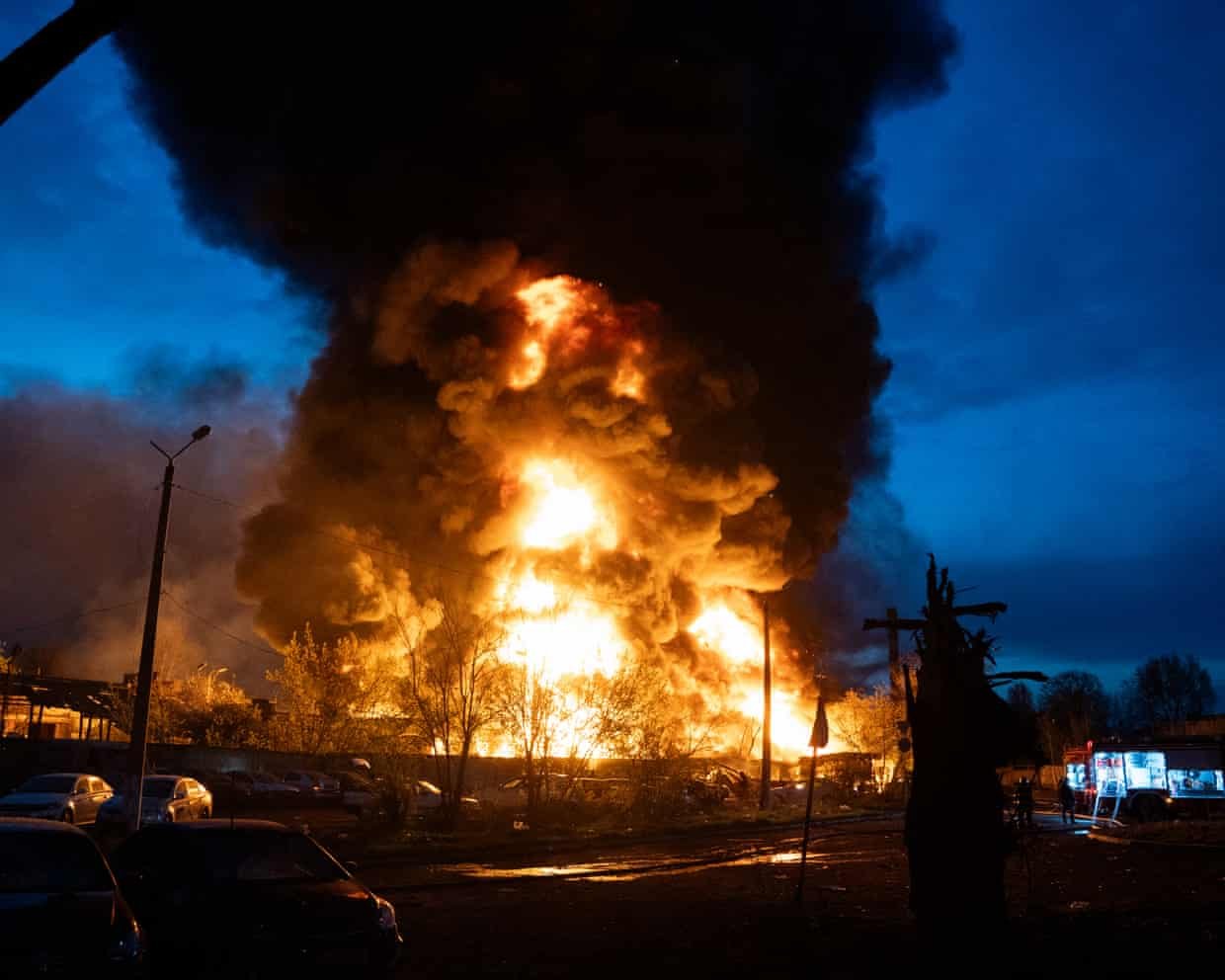
Russia carried out a series of overnight drone and missile strikes across Ukraine, killing at least 12 people and injuring several others, according to local authorities. The attacks targeted multiple cities, including the southern port of Odesa, the capital Kyiv, and the central city of Dnipro. The escalation reflects an ongoing pattern of sustained aerial assaults as the war continues into its fourth year. Civilians, including a child, were among the casualties, highlighting the continued human cost of the Conflict and raising concerns over the intensifying frequency and scale of attacks.
Widespread Strikes Across Key Ukrainian Cities
The latest wave of attacks struck several major urban centers, causing fatalities, injuries, and significant damage to Infrastructure.
Odesa: Deadliest Impact
The southern port city of Odesa experienced some of the heaviest damage. Missile and drone strikes killed at least six people, making it the hardest-hit location in this round of attacks.
Odesa, a strategic Black Sea port, has frequently been targeted due to its economic and logistical importance.
Kyiv: Civilian Casualties and Building Collapse
In the capital city of Kyiv, at least four people were killed, including a 12-year-old child. The strikes caused a residential building in the Podilsky district to collapse, trapping residents under rubble.
Rescue teams worked through the debris and managed to pull a child alive from the wreckage. At least 10 people were reported injured, including emergency responders.
Additional damage was reported in the Obolonsky district, where missile debris sparked fires in buildings and vehicles.
Dnipro: Casualties and Injuries
In the central city of Dnipro, at least two people were killed. Earlier reports indicated that around 10 individuals were injured, including a woman in critical condition.
The exact status of some victims remains unclear as authorities continue to verify details.
Kharkiv: Drone Strike Injures Civilians
In northeastern Ukraine, a Drone Strike in Kharkiv injured two civilians—a 77-year-old woman and a 66-year-old man—further underscoring the widespread reach of the attacks.
Emergency Response and Rescue Efforts
Emergency services were deployed across affected regions, working to rescue survivors, contain fires, and assess damage. In Kyiv, rescue operations were particularly intense due to the collapse of a residential building.
Authorities urged residents to remain in shelters during ongoing missile alerts, highlighting the continued risk of follow-up strikes.
The involvement of medics among the injured in Kyiv also points to the dangers faced by first responders during such attacks.
Pattern of Escalating Aerial Attacks
These latest strikes are part of a broader pattern of sustained aerial bombardment. Russia has been launching large numbers of drones and missiles against Ukraine on a near-nightly basis.
In recent weeks, the intensity has increased, with attacks also occurring during daytime hours. This shift has raised concerns about the expanding scope of the campaign and its impact on civilian populations.
Key Trends in Recent Attacks
- Frequency: Almost nightly drone launches
- Scale: Use of multiple missiles and drones simultaneously
- Targets: Urban centers and critical infrastructure
- Timing: Expansion to daytime strikes
This evolving strategy has made it increasingly difficult for air defense systems and emergency services to respond effectively.
Human Impact: Civilians Bear the Brunt
The casualties from the latest strikes once again highlight the human cost of the conflict. Civilians continue to be affected, whether through direct casualties, injuries, or displacement.
The death of a child in Kyiv and injuries to elderly residents in Kharkiv illustrate how vulnerable populations are particularly at risk.
Beyond immediate casualties, such attacks also have long-term psychological and economic consequences for communities.
Strategic Importance of Targeted Cities
| City | Importance | Impact of Attack |
|---|---|---|
| Odesa | Key Black Sea port | Highest fatalities reported |
| Kyiv | Political and administrative capital | Building collapse, civilian deaths |
| Dnipro | Industrial and logistics hub | Casualties and injuries |
| Kharkiv | Major northeastern city | Civilian injuries |
The targeting of these cities reflects both strategic and symbolic objectives, as they play crucial roles in Ukraine’s economy, governance, and defense.
Ongoing War and Future Outlook
The conflict between Russia and Ukraine has now entered its fourth year, with no immediate resolution in sight. The continued use of drones and missiles suggests a prolonged phase of aerial warfare.
As attacks become more frequent and widespread, the pressure on Ukraine’s defense systems and civilian infrastructure is expected to grow.
International attention remains focused on the humanitarian impact and the need for measures to protect civilians.
Conclusion: Escalation with No Immediate End
The latest wave of Russian strikes underscores the ongoing intensity of the war in Ukraine. With at least 12 lives lost and many more affected, the attacks highlight the persistent risks faced by civilians across the country.
The increasing frequency and scale of aerial assaults suggest a continued escalation, making the situation more unpredictable and dangerous.
Looking ahead, the focus will remain on both Military developments and humanitarian concerns, as Ukraine continues to navigate the challenges of sustained conflict. For now, the reality on the ground remains stark—frequent alarms, damaged cities, and communities striving to endure under constant threat.
For breaking news and live news updates, like us on Facebook or follow us on Twitter and Instagram. Read more on Latest World on thefoxdaily.com.






COMMENTS 0