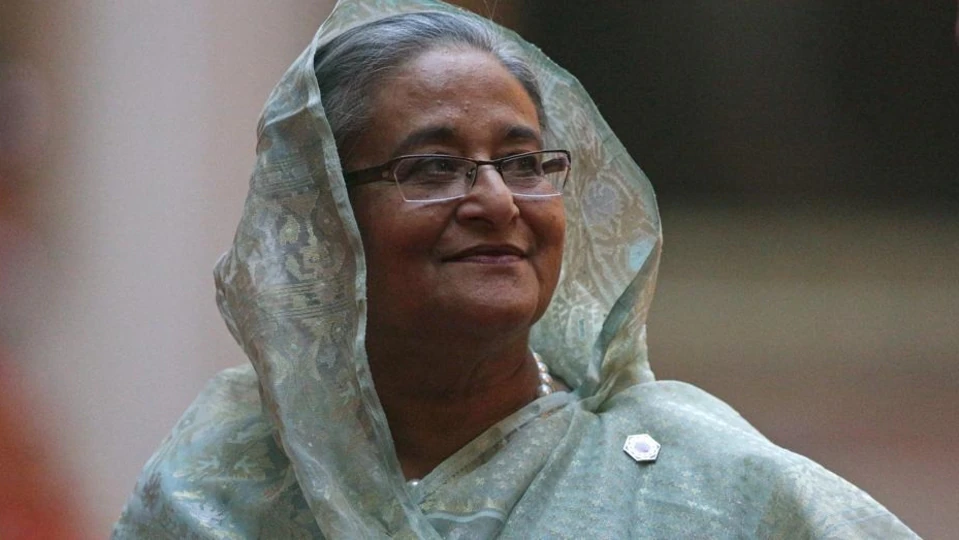
Former Bangladesh prime minister Sheikh Hasina has reiterated her willingness to return to her country despite the possibility of arrest, detention or physical harm, saying she is prepared to face the risks associated with her return. Speaking virtually at a press conference hosted in Washington, she recalled previous threats to her safety and maintained that she remained determined to return to Bangladesh.
Hasina, who has been living in India since leaving Bangladesh in August 2024, said she understood the potential consequences of going back. Her latest remarks have renewed attention on her political future, the circumstances surrounding her departure from office and the continuing tensions involving her Awami League party and Bangladesh’s current political leadership.
The former prime minister had previously indicated that she intended to return by December, but she did not announce a specific date, time or point of entry during the latest interaction. Her comments also included criticism of the government led by Tarique Rahman, with her son, Sajeeb Wazed Joy, raising allegations concerning the treatment of Awami League leaders.
Sheikh Hasina Says She Is Prepared to Face the Risks of Returning
Addressing the Washington-based press conference virtually, Hasina acknowledged that returning to Bangladesh could expose her to serious personal risks. She said she had made a decision to return despite knowing what might happen after she arrived in the country.
“Now I have decided…Yes, I know. If I go back, the moment I will land they can kill me, or they can arrest me and torture me,” Hasina said during the interaction.
Her statement signals that she continues to consider returning to Bangladesh even though the prospect carries significant legal and security implications. However, her remarks did not establish when she would travel or whether arrangements for a return had been finalised.
Hasina’s decision to leave the timing unspecified is significant because her earlier statements had identified December as her intended deadline. In September, she told Hindustan Times that she planned to return by that month, adding that she would disclose the precise date, time and entry point later.
The latest remarks indicate that her stated intention to return remains in place, but the practical circumstances surrounding any potential homecoming remain unclear. Her comments also leave open questions about the legal process she could face and the political conditions she would encounter if she returned.
Hasina Thanks India for Providing Shelter After Her Ouster
During the press conference, Hasina expressed gratitude to the Indian government and people for providing her with shelter after she left Bangladesh in August 2024. Her departure followed student-led protests that culminated in the collapse of her government.
Reflecting on the circumstances that brought her to India, the former prime minister said she had not been prepared to leave her country but had eventually reached India under difficult circumstances.
“I was not prepared to leave my country, but somehow I reached here. I thank the Indian government and the people here,” she said.
India’s decision to host Hasina has become an important issue in relations between New Delhi and Dhaka. Her continued presence in India has drawn attention to the diplomatic challenges arising from her departure, the legal proceedings against her in Bangladesh and the requests for her return.
Hasina’s remarks also highlighted the personal circumstances surrounding her exile. While expressing appreciation for India’s support, she reiterated her intention to return to Bangladesh rather than remain abroad indefinitely.
Any potential return would have implications beyond her personal circumstances. Hasina remains closely associated with the Awami League, the political party that governed Bangladesh during her tenure. Her return could therefore raise questions about the party’s future, the treatment of its leaders and the broader political environment in the country.
Former Prime Minister Alleges Selective Accountability in Bangladesh
Hasina also criticised the legal action taken against her following the collapse of her government. She alleged that more than 600 cases had been filed against her while individuals she believes were responsible for crimes had received immunity under Bangladesh’s interim administration.
Her allegations reflect the competing narratives surrounding the political transition that followed the 2024 uprising. Hasina and her supporters have challenged the actions taken against the former ruling party, while the proceedings against her have been linked to allegations concerning the crackdown on protesters during the final months of her government.
These accusations must be distinguished from established legal findings. Hasina’s objections to the cases against her represent her position, while the charges and judicial proceedings in Bangladesh form a separate part of the dispute.
The legal dimension is particularly important because her proposed return is not simply a question of travel or personal preference. It is also connected to the proceedings she may face upon entering Bangladesh and the consequences of the judgments already issued against her.
Hasina has rejected the legal action against her, describing the cases as politically motivated. Her supporters have similarly raised concerns about the treatment of Awami League members following her removal from office.
For Bangladesh, the challenge involves addressing allegations of abuses committed during the previous administration while ensuring that legal proceedings are conducted fairly. The credibility of the country’s institutions and the treatment of political opponents remain central issues in the debate over accountability.
Sajeeb Wazed Joy Criticises Treatment of Awami League Leaders
Hasina’s son, Sajeeb Wazed Joy, was present at the Washington press conference and joined the criticism of Bangladesh’s current political leadership. He raised concerns about alleged extrajudicial killings and the imprisonment of Awami League leaders since his mother’s removal from power.
Joy’s remarks brought the treatment of the former ruling party into focus alongside Hasina’s proposed return. For the Awami League, the political transition has raised questions about the future of its leadership, the position of its supporters and its ability to participate in the country’s political process.
However, allegations of extrajudicial killings and politically motivated imprisonment require independent examination. Claims made by Hasina or her son should not automatically be treated as established findings without supporting evidence or independent verification.
The broader issue is whether political disagreements and allegations of past wrongdoing can be addressed through credible legal institutions rather than violence, arbitrary detention or collective punishment. Accountability for alleged abuses and protection against unlawful state action are distinct obligations that must be considered together.
Hasina’s possible return would bring these questions into sharper focus. Authorities would need to address the legal status of the former prime minister, while the wider political environment would influence how her supporters and opponents respond to her presence.
Why Sheikh Hasina Left Bangladesh in August 2024
Hasina’s current position cannot be understood without considering the events that led to her departure. In August 2024, student-led protests escalated into a wider political uprising that ended her long tenure as prime minister.
The unrest followed demonstrations initially centred on government job quotas and expanded amid public anger over the government’s response. The resulting crisis led to Hasina leaving Bangladesh on August 5, 2024, as her administration collapsed.
Her departure marked a turning point in Bangladesh’s political history. The country entered a period of transition under an interim administration led by Nobel Peace Prize laureate Muhammad Yunus, while questions surrounding the uprising, alleged abuses and the future of the Awami League became increasingly contentious.
The change in government also altered the political landscape in which Hasina’s return would take place. Her former administration’s record, the conduct of security forces during the protests and the demands of those who opposed her government remain important parts of the wider debate.
For Hasina, returning would mean confronting the political and legal consequences of the events that brought her government to an end. For her opponents, the proceedings against the former prime minister are connected to demands for accountability over the crackdown on protesters.
The disagreement illustrates why her proposed return has become a significant political issue. It involves not only the future of one former leader but also competing interpretations of the 2024 uprising and the direction Bangladesh should take after the change in government.
Hasina’s Legal Position Adds Uncertainty to Her Return
The legal situation surrounding Hasina represents one of the most consequential obstacles to her proposed homecoming. She faces serious proceedings in Bangladesh arising from allegations connected to the suppression of the 2024 protests.
In November 2025, Bangladesh’s International Crimes Tribunal sentenced Hasina to death in absentia in a case concerning crimes against humanity linked to the crackdown. Hasina has rejected the verdict, disputing its legitimacy and describing the proceedings as politically motivated.
The sentence significantly changes the circumstances surrounding any return. Although Hasina has publicly expressed her willingness to face the risks, the existence of the judgment means that her proposed homecoming carries legal consequences beyond the possibility of ordinary arrest or detention.
Her statements about returning should therefore be understood as an expression of intent rather than confirmation that the legal obstacles have been resolved. The precise circumstances of any return would depend on the applicable legal process and the actions taken by the relevant authorities.
The case also raises broader questions about due process, accountability and the treatment of former political leaders. Ensuring that allegations of serious crimes are investigated and adjudicated through credible procedures is important for public confidence in the justice system.
At the same time, Hasina’s rejection of the verdict does not by itself invalidate the judicial proceedings. Her claims and the court’s findings are separate matters, and the legal issues must be assessed on the basis of the relevant record and applicable law.
Hasina Previously Said She Would Return by December
The latest press conference was not the first occasion on which Hasina outlined her intention to return to Bangladesh. In August 2026, she addressed journalists at an event organised by the Foreign Correspondents’ Club of South Asia in Delhi, marking the second anniversary of the uprising that removed her from office.
During that interaction, she maintained that her departure from Bangladesh had not severed her connection with the country’s population. She also avoided specifying an exact date for her return, saying that further details would be disclosed when the time came.
In September, Hasina reiterated her intention to return by December during a telephonic interview with Hindustan Times. She argued that Bangladesh’s political crisis could not continue indefinitely and said she would announce the specific date, time and point of entry in due course.
Her latest comments in Washington reinforce that stated intention. However, the absence of a confirmed travel date means that December remains her announced target rather than a verified arrival schedule.
The distinction matters because a political declaration does not necessarily establish that the practical arrangements for a return have been completed. Questions about her legal status, security and the response of Bangladeshi authorities remain unresolved in the information provided.
What Hasina’s Potential Return Could Mean for Bangladesh
Hasina’s proposed return could affect several interconnected issues, including the country’s legal process, the future of the Awami League and relations between Bangladesh and India.
- Legal proceedings: Her return would bring the outstanding legal issues surrounding her directly into focus, including the consequences of the judgment issued in absentia.
- The Awami League’s future: Hasina remains the party’s most prominent leader, and her return could intensify debate over its political role and the status of its members.
- Political accountability: The competing allegations concerning the 2024 crackdown and the subsequent treatment of Awami League leaders highlight the importance of credible investigations and due process.
- India-Bangladesh relations: Hasina’s continued stay in India and the question of her return remain relevant to diplomatic relations between the neighbouring countries.
These issues are connected, but developments in one area will not automatically resolve the others. A legal decision concerning Hasina, for example, would not by itself settle the wider political dispute over the former government’s record or the future of its supporters.
Similarly, the question of the Awami League’s participation in political life is distinct from the legal responsibility of individual leaders. A durable political settlement would require clarity on both accountability for alleged wrongdoing and the rights of citizens to participate in public life under the applicable law.
For India, the situation presents a diplomatic question involving a former head of government who has remained on its territory since leaving Bangladesh. For Bangladesh, it concerns the enforcement of judicial decisions, the handling of a prominent political figure and the country’s broader transition following the 2024 uprising.
What Happens Next?
Hasina’s latest statement makes clear that she continues to express a willingness to return to Bangladesh despite the risks she says she faces. However, her comments do not establish a confirmed date of departure from India or resolve the legal questions that would arise if she entered Bangladesh.
Her stated December timeline will remain an important point to watch, particularly because she has previously said she would announce the specific details of her return later. Any concrete development would need to be assessed against official announcements and the legal circumstances surrounding her case.
The response of Bangladesh’s authorities will also be significant. The situation involves a former prime minister facing serious legal proceedings, a political party dealing with the consequences of its removal from power and competing allegations about the conduct of the previous and current political establishments.
Ultimately, the significance of Hasina’s proposed return will depend on what happens beyond the declaration itself. The legal process, the treatment of political opponents and the ability of Bangladesh’s institutions to address contested allegations fairly will remain central to the country’s political future.
For now, Hasina has reiterated her intention to return despite the possibility of arrest, torture or death. Whether that intention translates into an actual homecoming by December remains an open question.
For breaking news and live news updates, like us on Facebook or follow us on Twitter and Instagram. Read more on Latest World on thefoxdaily.com.




COMMENTS 0