
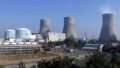
Taiwanese voters have backed a move to reconsider the island’s nuclear power phaseout policy in a referendum, signalling renewed public interest in Nuclear Energy as the government faces questions about electricity security, economic competitiveness and the country’s future energy mix. The vote has reopened a politically sensitive debate over whether nuclear power should remain part of Taiwan‘s long-term energy strategy.
The referendum took place alongside local elections that highlighted voters’ immediate concerns about the economy, public welfare and local governance. In Taipei, incumbent Mayor Chiang Wan-an of the opposition Kuomintang (KMT) secured another victory, defeating Democratic Progressive Party (DPP) candidate Puma Shen, who conceded defeat after receiving about 53.8 per cent of the vote for Chiang.
The results underline the different issues shaping Taiwan’s political landscape. While relations with China remain an important national concern, local economic conditions and energy policy have also become significant factors in public debate. The referendum result could place additional pressure on Taiwan’s ruling DPP to reassess its approach to nuclear energy.
Taiwan Voters Support Reconsideration of Nuclear Phaseout Policy
The referendum on nuclear power offered Taiwanese voters an opportunity to reconsider the island’s policy of phasing out nuclear energy. The outcome indicates support for reopening the debate over nuclear power rather than treating the phaseout approach as a settled direction for the country’s energy future.
Nuclear energy remains a politically divisive issue in Taiwan. Supporters argue that nuclear power can help provide a stable electricity supply, reduce dependence on imported energy and support the needs of energy-intensive industries. Critics have raised concerns about nuclear safety, radioactive waste management and the long-term risks associated with operating nuclear facilities.
The referendum result is therefore significant beyond the immediate question of whether the phaseout policy should be reconsidered. It reflects the growing importance of energy security and reliable electricity supplies in discussions about Taiwan’s economic future.
However, public support for reconsidering nuclear policy does not automatically determine how or when nuclear facilities will operate. Any practical change would require further government decisions, technical assessments and regulatory processes. The referendum has reopened the policy debate, but the next steps will depend on how authorities respond to the result.
Chiang Wan-an Wins Taipei Mayoral Election as Puma Shen Concedes
Alongside the nuclear referendum, voters participated in local elections across Taiwan. One of the most closely watched contests was the Taipei mayoral election, where incumbent KMT Mayor Chiang Wan-an defeated DPP candidate Puma Shen.
Chiang secured approximately 53.8 per cent of the vote, while Shen conceded defeat. The result represents a victory for the opposition KMT in Taiwan’s most prominent municipal contest and gives Chiang another opportunity to lead the capital.
Shen’s campaign had focused substantially on local welfare and governance issues. His candidacy also attracted attention because of his firm position on China-related issues and the pressure surrounding Taiwan’s relationship with Beijing.
Despite the wider political significance of the contest, the result suggests that voters were also weighing practical questions about the management of their city. Local elections often place greater emphasis on public services, living costs, infrastructure and welfare than national-level debates about foreign policy.
China Remains a Major Issue, but Local Concerns Shape Voting
China’s claims over Taiwan and its pressure on the island remain important elements of the political environment. Beijing regards Taiwan as part of its territory, while Taiwan operates with its own democratically elected government and institutions.
The DPP has generally taken a stronger position in defending Taiwan’s separate political identity, while the KMT has advocated more engagement and comparatively friendlier relations with Beijing. These differences make elections in Taiwan important not only for domestic politics but also for the wider relationship across the Taiwan Strait.
Nevertheless, the local election campaign showed that China was not the only issue influencing voters. Questions involving economic performance, public welfare and the quality of local administration also shaped political choices.
The Taipei result illustrates how national security concerns do not necessarily override voters’ assessments of municipal leadership. Candidates must also convince residents that they can address everyday problems, deliver public services and improve living conditions.
Economic Pressures Put Energy Security in Focus
Economic concerns have become increasingly important in Taiwan’s political debate. The island is a major centre for advanced manufacturing and semiconductor production, industries that depend on reliable electricity supplies. Any uncertainty over energy availability can therefore become a concern for businesses, investors and policymakers.
This has helped bring nuclear power back into discussions about Taiwan’s economic competitiveness. Supporters of reconsidering the phaseout policy argue that nuclear generation could contribute to a more dependable electricity supply while helping meet the needs of industries that require substantial and consistent power.
Opponents, however, argue that energy security should not come at the expense of public safety or environmental protection. They point to the challenges of managing radioactive waste and ensuring that nuclear facilities can operate safely over extended periods.
The referendum has brought these competing arguments back into the political spotlight. Its outcome suggests that a section of the electorate is willing to reconsider the role of nuclear power, particularly as Taiwan weighs the relationship between energy policy and economic growth.
What the Referendum Result Could Mean for Taiwan’s Energy Policy
The vote creates a political opening for renewed discussion about nuclear energy, but it does not by itself settle the future of Taiwan’s power sector. The government will still need to consider safety requirements, regulatory conditions, the condition of existing facilities and the wider balance between different sources of electricity.
Any decision to revive nuclear generation would also involve questions about public confidence, long-term waste storage and the costs of maintaining or restarting facilities. These issues are likely to remain central as political parties respond to the referendum outcome.
For the ruling DPP, the result presents a challenge because it has to balance its established energy policy with voters’ concerns about electricity supply and economic development. The party may face renewed pressure to explain how Taiwan can maintain reliable power while meeting its environmental and safety objectives.
The opposition KMT, meanwhile, can point to the referendum as evidence that nuclear energy deserves a larger place in the national policy discussion. Whether that translates into an immediate change in government policy remains uncertain.
Taiwan’s Elections Reflect a Wider Debate About the Island’s Future
The local election results and nuclear referendum together show that Taiwan’s political choices are being shaped by several overlapping concerns. The relationship with China remains a defining national issue, but voters are also concerned about economic opportunities, public services and the reliability of essential infrastructure.
Chiang Wan-an’s victory in Taipei demonstrates the importance of local leadership and welfare-related issues in municipal contests. The referendum, meanwhile, has given renewed momentum to arguments that Taiwan should reconsider its approach to nuclear power as it plans for future electricity demand.
For Taiwan’s political parties, the challenge will be to respond to these concerns without losing sight of the island’s wider security and economic circumstances. The referendum has reopened the nuclear debate, but turning the result into a practical energy policy will require further decisions and public scrutiny.
The immediate message from the ballot is that voters want the country’s energy choices reconsidered alongside the broader questions of economic strength and governance. How the government responds could have lasting implications for Taiwan’s electricity system, industrial development and political debate.
For breaking news and live news updates, like us on Facebook or follow us on Twitter and Instagram. Read more on Latest World on thefoxdaily.com.



COMMENTS 0