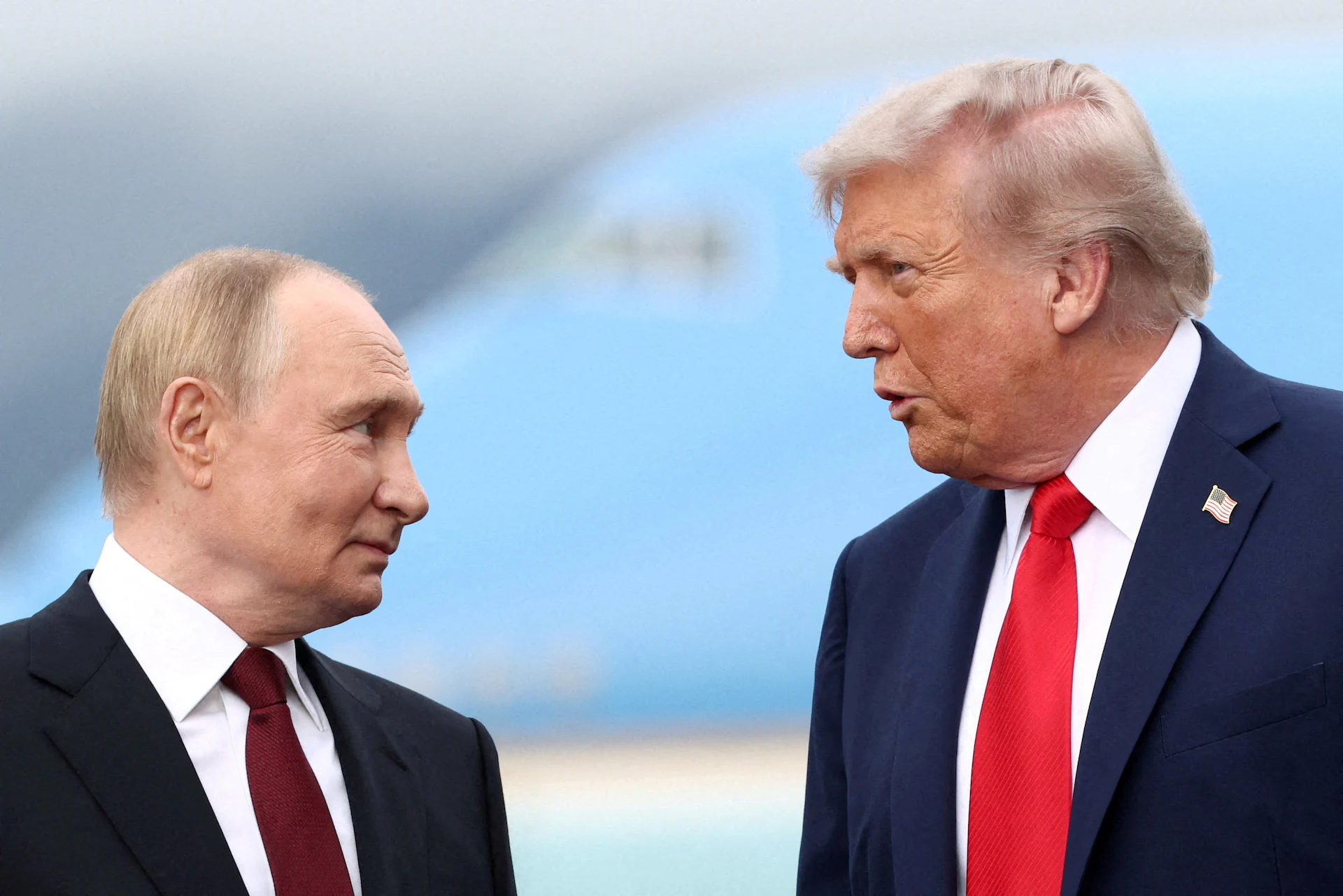
US President Donald Trump will take up to 60 days to assess the economic consequences of imposing sanctions and tariffs linked to Russian energy exports, Secretary of State Marco Rubio said on Saturday, October 17. The review follows Trump’s decision to waive key measures a day before they were due to take effect, leaving uncertainty over Washington’s next steps in its effort to pressure Moscow over the war in Ukraine.
The decision comes as the Trump administration faces competing pressures over global energy supplies, rising fuel prices and its approach to Russia’s invasion of Ukraine. The war involving Iran has also disrupted international oil markets, increasing the importance of energy prices for the US economy ahead of November’s midterm elections.
Trump said he had not yet announced a final decision on the sanctions and tariffs. Speaking to reporters at his Mar-a-Lago club in Palm Beach, Florida, he said the administration would determine its position after further consideration.
“A lot of you don’t know what my decision is yet, but we’ll figure it out, and you’ll figure it out,” Trump told reporters.
Why Trump Is Reviewing Russia Sanctions for 60 Days
Rubio said the president wanted time to examine how sanctions and tariffs could affect the US economy and international markets before deciding whether to implement the measures.
Trump signed an executive order on Friday waiving key provisions under the Graham Act, legislation he signed the previous month at the urging of lawmakers seeking stronger economic pressure on Russia over its war in Ukraine.
The measures were scheduled to take effect the following week. They included tariffs on Russian goods and penalties targeting countries that purchase Russian oil and gas. However, the executive order did not specify how long the waiver would remain in place.
Rubio subsequently said Trump had chosen a 60-day review period to evaluate the potential consequences of implementing the restrictions.
“I think the president wants to take the 60-day period of time to sort of analyze what imposing both sanctions and tariffs will mean to the Global Economy and even to the US economy,” Rubio told reporters before boarding a plane for a trip to Uzbekistan.
The review means the administration is weighing the potential economic costs of the measures alongside their intended foreign policy impact. Sanctions can restrict targeted countries’ access to markets and financial resources, while tariffs can increase the cost of imported goods and affect businesses and consumers in countries that impose them.
In this case, the legislation’s scope adds another layer of complexity because its provisions extend beyond Russia to countries that continue purchasing Russian energy supplies.
How the Graham Act Could Affect Countries Buying Russian Energy
The Graham Act seeks to increase pressure on Moscow through economic restrictions connected to Russian exports. Its provisions also call for tariffs on goods from countries importing Russian energy, potentially extending the consequences of the policy to major trading partners of the United States.
That approach creates a challenge for Washington because several countries maintain significant energy or trade relationships with Russia while also having important economic and diplomatic ties with the United States.
Rubio specifically highlighted India as an example. India is an important US partner that has diversified its energy supplies but remains heavily dependent on Russian oil, according to his remarks.
Under the legislation, tariffs linked to Russian energy purchases could therefore affect trade relationships beyond the direct economic relationship between Washington and Moscow. The potential impact would depend on how the measures are implemented and which countries and goods are covered.
For the Trump administration, the 60-day assessment provides an opportunity to examine these wider implications before determining its next move. The review also leaves questions about the timing and scope of any future restrictions unresolved.
Zelenskiy Warns Sanctions Waiver Could Benefit Putin
Trump’s decision to waive the measures drew criticism from Ukrainian President Volodymyr Zelenskiy, who warned that the move could embolden Russian President Vladimir Putin and prolong the war in Ukraine.
Ukraine has sought sustained international pressure on Russia as it continues to defend itself against the invasion. Economic sanctions and restrictions on Russian energy revenues have formed part of the broader effort by Western governments to raise the costs of Moscow’s military campaign.
The temporary waiver has therefore raised questions about how the United States will balance its economic concerns with its stated objective of influencing Russia’s conduct.
However, the administration has not announced a final decision on whether the measures will be implemented after the review. Rubio’s comments indicate that the potential effects on the US economy and global markets remain central to the assessment.
The distinction matters because a waiver does not, by itself, establish that the administration has permanently abandoned the restrictions. The immediate position is that the measures have been waived while Trump evaluates their consequences.
Republican Lawmaker Objects to Trump’s Decision
The decision has also drawn criticism from within the Republican Party. Senator Darline Graham, a South Carolina Republican whose late brother Lindsey Graham championed the legislation bearing his name, said she disagreed with Trump’s move.
She told reporters on Saturday that she intended to discuss the decision with Trump when he campaigns for her next week.
“Personally, I would choose to keep the pressure on Russia,” she said. “Because I don’t trust Putin and I don’t trust Russia.”
Her comments highlight the debate over whether maintaining economic pressure on Moscow should take priority over concerns about the wider consequences of sanctions and tariffs.
Supporters of stronger restrictions have argued for sustained pressure on Russia over the war in Ukraine. The administration’s review, meanwhile, reflects a stated desire to assess the potential economic effects before deciding how to proceed.
The coming weeks will determine whether Trump moves ahead with the measures, modifies their scope or maintains the waiver. His administration has not yet provided a final outcome.
US-Russia Diesel Agreement Adds to Energy Policy Debate
Alongside the sanctions waiver, Rubio defended a separate US agreement with Russia intended to increase diesel supplies to global markets. The arrangement is aimed at easing fuel prices that have risen amid the war with Iran and disruptions to energy supplies.
Trump said Russia would initially supply more than 300,000 metric tons of diesel to the United States, with further shipments expected in November and beyond.
Rubio argued that the arrangement would allow the United States to obtain some of the fuel rather than leave it entirely to other buyers.
“That diesel is going to be sold one way or the other,” Rubio said. “The only difference is how much of it the United States was going to get.”
The agreement reflects the administration’s stated concern about the availability and cost of energy as conflicts disrupt global supply chains. Diesel is widely used in freight transport, agriculture, construction and other commercial activities, making its price an important factor for businesses and the broader economy.
However, the diesel arrangement and the sanctions waiver are separate policy decisions. The agreement concerns fuel supplies, while the sanctions review focuses on the potential consequences of imposing economic restrictions connected to Russian energy exports.
The two issues nevertheless intersect because both involve Russia’s role in international energy markets and the consequences of restricting or purchasing its exports.
Iran War and Ukraine Conflict Complicate US Energy Policy
Rubio described the relationship between the conflicts affecting energy supplies as a growing challenge for the administration.
“These conflicts around the world are starting to crash into each other,” he said.
The comment reflects the difficulty of managing separate foreign policy priorities when developments in one region affect economic and strategic decisions elsewhere. Disruptions linked to the war with Iran have contributed to pressure on fuel prices, while Russia’s war in Ukraine remains central to the debate over sanctions.
Measures designed to reduce Russia’s energy revenues could create additional complications if they also affect countries that rely on Russian supplies or increase costs across international markets. At the same time, easing restrictions could draw criticism from those who believe sustained economic pressure is necessary to influence Moscow.
These competing considerations are part of the assessment Trump has initiated. The administration must weigh the intended impact of the sanctions against their possible effects on energy prices, trade and the wider economy.
What Happens Next in Trump’s Russia Sanctions Review?
The next major question is whether Trump will implement the sanctions and tariffs after the 60-day assessment or make changes to the planned restrictions. Rubio’s remarks establish the intended review period, but they do not confirm what decision the president will ultimately make.
The administration will also need to address the implications of the Graham Act for countries that import Russian energy, including India. Any decision on tariffs could have consequences for international trade relationships as well as for the United States’ approach to Russia.
Energy prices will remain an important consideration as the administration evaluates the potential effects of the policy. The separate diesel agreement shows that securing fuel supplies and managing costs are also part of its current response to disruptions in global energy markets.
For Ukraine, the central concern is whether the United States will maintain or strengthen economic pressure on Russia. Zelenskiy’s criticism underscores the significance Kyiv attaches to Washington’s decisions, while Republican opposition to the waiver demonstrates that the issue has also generated disagreement among Trump’s political allies.
For now, the sanctions remain subject to further review. Trump’s final decision will determine whether the restrictions proceed, change or remain suspended, with potential consequences for Russia, energy-importing countries, global markets and US foreign policy.
For breaking news and live news updates, like us on Facebook or follow us on Twitter and Instagram. Read more on Latest World on thefoxdaily.com.





COMMENTS 0