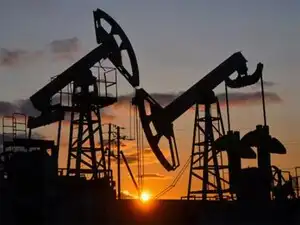
The global Oil Market is expected to return to a surplus in the fourth quarter of 2026 as oil production recovers faster than consumption, according to the International Energy Agency (IEA). In its November Oil Market Report, the agency said rising supplies, particularly from the Gulf region, are beginning to ease the tight conditions that have affected energy markets.
However, the outlook remains uneven. While crude oil prices have fallen from their recent highs, supplies of refined products such as diesel remain tight. The IEA also expects a much larger increase in global oil supply in 2027, potentially creating a substantial surplus as production growth outpaces the recovery in demand.
The agency’s latest assessment reflects a changing market balance after months of supply disruptions, reduced consumption and pressure on global oil inventories.
Key Highlights
- The IEA expects the global oil market to return to surplus in the fourth quarter of 2026.
- Global oil demand is forecast to decline by 2.7 million barrels per day in 2026 to 102.3 million barrels per day.
- Oil demand is expected to recover by 2 million barrels per day in 2027.
- Global oil supply is projected to increase by 6.6 million barrels per day in 2027 to an average of 108.1 million barrels per day.
- Crude prices have eased, but tight refined-product supplies, particularly diesel, continue to challenge energy markets.
IEA Expects Oil Market to Return to Surplus in Q4 2026
According to the IEA’s November report, global oil supply is expected to exceed demand in the fourth quarter of 2026 for the first time since the outbreak of the war in Iran. The improvement follows a faster-than-expected recovery in oil exports from the Gulf region.
Global oil supply increased by 2.3 million barrels per day in October, reaching 105.4 million barrels per day. This followed a rise of 3 million barrels per day in September. The increase in exports helped improve the supply outlook for the final quarter of the year.
The agency said its estimate for fourth-quarter 2026 supply was revised upwards as higher export flows supported the market. The recovery has helped reduce the gap between available oil and global consumption, although geopolitical risks continue to create uncertainty.
The expected return to surplus does not mean that all supply problems have been resolved. Oil inventories remain depleted compared with earlier levels, and disruptions to shipping routes and energy infrastructure could still affect the pace of market recovery.
Global Oil Demand Expected to Fall by 2.7 Million Barrels Per Day in 2026
The IEA forecasts that global oil demand will decline by 2.7 million barrels per day in 2026, bringing average consumption to 102.3 million barrels per day. The decline reflects high fuel prices, supply disruptions and weaker consumption in several markets.
Demand conditions have been particularly affected by reduced availability of refined products and liquefied petroleum gas from the Gulf region. Higher prices have also encouraged consumers and businesses to reduce fuel use, while economic activity and travel have faced pressure.
The pace of the year-on-year decline is expected to ease in the fourth quarter. The IEA projects that demand will fall by 2.7 million barrels per day compared with the same period a year earlier, against an average decline of 4.4 million barrels per day during the second and third quarters.
Despite the decline in 2026, the agency expects global oil demand to recover by 2 million barrels per day in 2027. Much of the increase is expected to come from petrochemical feedstocks, including liquefied petroleum gas, ethane and naphtha, as supply chains gradually normalise.
Oil Supply Set to Rise Sharply in 2027
Supply growth is expected to become a major factor in the global oil market next year. The IEA projects that global oil supply will rebound by 6.6 million barrels per day in 2027, reaching an average of 108.1 million barrels per day.
This follows an expected annual decline of 4.8 million barrels per day in 2026. The recovery is projected to be driven largely by increased production from Gulf countries, alongside further growth from producers in the Americas.
The United States, Canada, Brazil, Argentina and Guyana are expected to contribute to supply growth. Together, these countries are projected to increase output by around 1.6 million barrels per day in 2026, according to the report.
The IEA’s latest projections indicate that production could expand faster than demand recovers. This difference is expected to result in a more substantial surplus in 2027, although the scale of the build will depend on actual production levels, consumption trends and geopolitical developments.
Crude Oil Prices Ease as Gulf Exports Recover
Improved oil availability has also contributed to a decline in crude prices. The IEA reported that North Sea Dated crude prices fell by around 32%, dropping from a high of $136 per barrel in early October to approximately $93 per barrel at the time of its November report.
The recovery in Gulf exports has reduced some of the immediate pressure on crude markets. However, prices remain above pre-war levels, reflecting the continuing impact of supply disruptions and risks to international energy transportation.
The movement in crude prices is important for oil-importing countries because lower international benchmarks can eventually reduce import costs. However, the benefit may not reach consumers immediately, particularly where refined fuel supplies remain limited or transportation costs stay elevated.
Refined Fuel Shortages Continue to Pressure Energy Markets
Although crude oil supply is improving, refined products remain a major concern. Diesel markets are facing continued pressure because of disruptions to exports from the Gulf and Russia, alongside constraints in the global refining system.
The IEA said diesel prices in Europe had declined by around 11% over the period covered by its report. Despite the reduction, prices remained close to $180 per barrel, approximately 77% above pre-war levels.
Refinery activity has also been affected. Global refinery runs fell by 1.3 million barrels per day month-on-month in October to a seasonal low of 81.3 million barrels per day. The agency expects throughput to recover to 84.7 million barrels per day in December.
For 2027, global refinery throughput is projected to increase by 2.5 million barrels per day to an average of 84.3 million barrels per day. The expected recovery could gradually improve the availability of refined fuels, but the market may continue to experience tight conditions in the near term.
Diesel availability is particularly important for freight transportation, industrial activity, agriculture and several other sectors. Continued shortages can increase operating costs and add pressure to businesses and consumers even when crude oil prices are falling.
Global Oil Inventories Show Initial Signs of Recovery
Global oil inventories recorded an increase in October, offering another indication that supply conditions are beginning to improve. Observed inventories rose by 52 million barrels, equivalent to an average increase of 1.7 million barrels per day.
A significant part of the increase came from oil held on water, with volumes rising by 86 million barrels to their highest level since January. Stronger crude exports from the Gulf contributed to the increase.
However, inventories held on land continued to decline and remained at their lowest level since at least 2016. OECD total stocks also fell by 47 million barrels during October, including a 41-million-barrel decline in industry inventories.
The IEA reported that observed global inventories had fallen by a cumulative 462 million barrels since the start of the war. This means that even if supply exceeds demand in the coming months, rebuilding inventories to more comfortable levels could take time.
What the Oil Surplus Could Mean for Global Energy Markets
A sustained increase in oil supply could put downward pressure on crude prices if production continues to grow faster than consumption. This may offer some relief to oil-importing economies, particularly countries that rely heavily on overseas crude purchases.
For major importers, lower crude prices can reduce the cost of energy imports and potentially ease pressure on trade balances and inflation. However, the actual impact depends on exchange rates, refining costs, freight charges, taxes and domestic fuel pricing policies.
For oil-producing countries, a larger surplus could create challenges if prices weaken. Producers may face lower revenue even when output increases, making market conditions more difficult for economies that depend heavily on oil exports.
Refined-product markets could also follow a different path from crude markets. If diesel and other fuel supplies remain constrained, their prices may stay elevated even as the international crude benchmark declines.
Geopolitical Risks Could Change the Supply Outlook
The IEA cautioned that the expected market recovery remains exposed to geopolitical risks. Attacks on shipping and energy infrastructure could interrupt exports and delay the return to more stable supply conditions.
Oil transportation routes are particularly important because higher export volumes do not automatically translate into reliable deliveries. Disruptions to shipping, longer routes and elevated freight costs can limit the benefits of increased production.
The agency also highlighted the importance of restoring refined-product supplies. Emergency diesel stock releases are expected to provide temporary support while refineries and product exports recover, but a lasting improvement will depend on stronger and more stable supply flows.
Conclusion
The IEA’s November 2026 report points to a major shift in the global oil market, with supply expected to exceed demand in the fourth quarter of the year. The agency forecasts a further increase in production in 2027, while demand is expected to recover at a slower pace.
However, the expected surplus does not mean energy markets will immediately return to normal. Depleted inventories, tight diesel supplies, refining constraints and geopolitical risks remain important challenges. The pace at which these issues are resolved will help determine whether the projected supply recovery translates into more stable prices and improved fuel availability worldwide.
For breaking news and live news updates, like us on Facebook or follow us on Twitter and Instagram. Read more on Latest Business on thefoxdaily.com.






COMMENTS 0