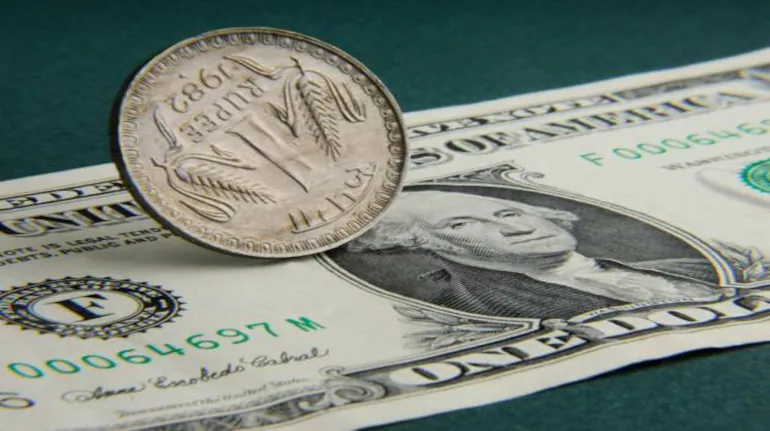
India’s foreign exchange reserves increased by $2.49 billion to $719.55 billion in the week ended November 6, marking the first weekly rise since September 4. The increase came mainly from gains in the value of gold and foreign currency assets, which more than offset the Reserve Bank of India’s (RBI) dollar sales to manage volatility in the rupee.
According to data released by the RBI on November 13, the country’s reserves had faced pressure during October as the central bank stepped up its intervention in the foreign exchange market amid persistent demand for dollars. However, valuation gains helped push the overall reserves higher during the latest reporting week.
Gold reserves contributed the largest share of the increase, rising by $2.20 billion. Foreign currency assets also recorded a modest gain despite the RBI’s net dollar sales during the period.
Key Highlights
- India’s foreign exchange reserves rose by $2.49 billion to $719.55 billion in the week ended November 6.
- The increase marked the first weekly rise since September 4.
- Gold reserves climbed by $2.20 billion to $104.80 billion, accounting for most of the gain.
- Foreign currency assets increased by $232 million to $591.35 billion.
- Economist Gaura Sengupta estimated that the RBI sold around $1 billion net during the week, while valuation gains supported the overall reserves.
Gold and Currency Revaluation Support India’s Forex Reserves
The latest increase in India’s foreign exchange reserves was largely driven by the higher reported value of gold holdings and foreign currency assets. Changes in international gold prices and exchange rates can affect the dollar value of assets held by the RBI, even when the underlying quantity of those assets remains unchanged.
Gaura Sengupta, chief economist at IDFC First Bank, said net dollar sales were around $1 billion between October 30 and November 6. She estimated that gold accounted for approximately $2.2 billion of the increase in reserves, with the remaining gains coming from the revaluation of foreign currency assets.
This distinction is important because weekly changes in foreign exchange reserves do not always reflect actual purchases or sales of foreign currency. Valuation movements can also increase or decrease the reported total.
Foreign Currency Assets Rise to $591.35 Billion
Foreign currency assets (FCAs), the largest component of India’s foreign exchange reserves, increased by $232 million to $591.35 billion during the week ended November 6.
The modest rise came despite the RBI’s estimated net dollar sales in the foreign exchange market. Valuation gains on the currencies held in the reserves helped offset the impact of the central bank’s intervention.
The RBI uses its foreign currency assets as part of its broader reserve holdings. These assets can change in value because of exchange-rate movements involving the currencies held in the portfolio.
Gold Reserves Climb by $2.20 Billion
Gold reserves increased by $2.20 billion to $104.80 billion during the reporting week. This was the largest contribution to the overall rise in India’s foreign exchange reserves.
The increase reflected valuation gains following movements in international gold prices. Since gold is an important part of the country’s reserve portfolio, changes in its global price can have a noticeable impact on the total reported value of reserves.
The latest figures highlight how gold price movements can influence India’s external financial position, particularly during periods when the RBI is also intervening in the currency market.
SDR Holdings and IMF Reserve Position Also Increase
Other components of India’s foreign exchange reserves also recorded small increases during the week.
- Special Drawing Rights (SDRs): Increased by $52 million to $18.61 billion.
- Reserve position in the IMF: Rose by $1 million to $4.79 billion.
Although these components contributed less to the overall weekly movement than gold and foreign currency assets, they form part of India’s total reserve position.
RBI Dollar Sales and Pressure on the Rupee
The rise in reserves came even as the RBI continued to intervene in the foreign exchange market to manage volatility in the rupee. When the central bank sells dollars, it can reduce the foreign currency assets component of its reserves.
Such intervention is generally aimed at managing sharp movements in the exchange rate rather than maintaining a fixed rupee level. The central bank’s dollar sales can help address temporary demand pressures in the market, although exchange-rate movements are also influenced by broader global and domestic factors.
In the latest reporting week, valuation gains in gold and foreign currency assets more than offset the estimated impact of net dollar sales. As a result, India’s total reserves increased despite continued intervention by the central bank.
India’s Forex Reserves Remain Above March 2026 Level
The latest increase takes India’s foreign exchange reserves $28.44 billion above their level at the end of March 2026. On a year-on-year basis, the reserves have increased by $32.51 billion.
The improvement provides additional context for the country’s external financial position. Foreign exchange reserves help a country meet external payment obligations, manage periods of pressure on its currency and maintain confidence in its ability to handle global financial disruptions.
However, the weekly increase should be viewed alongside the factors driving it. In this case, the rise was mainly supported by valuation gains rather than a reduction in the RBI’s foreign exchange market intervention.
What the Latest Reserve Data Means
The first weekly increase since September 4 highlights the influence of global asset prices and currency movements on India’s reserve figures. Gold made the largest contribution, while foreign currency assets and other reserve components also recorded gains.
At the same time, the RBI’s estimated net dollar sales show that intervention in the currency market continued during the week. The overall increase therefore reflects the combined impact of central bank activity and changes in the market value of reserve assets.
Conclusion
India’s foreign exchange reserves rose by $2.49 billion to $719.55 billion in the week ended November 6, supported mainly by a $2.20 billion increase in the value of gold reserves. The rise marked the first weekly gain since September 4, despite the RBI’s continued dollar sales to manage rupee volatility.
The latest data underline the importance of valuation changes in determining the reported level of foreign exchange reserves. Future movements will depend on factors including global gold prices, currency valuations and the RBI’s intervention in the foreign exchange market.
For breaking news and live news updates, like us on Facebook or follow us on Twitter and Instagram. Read more on Latest Business on thefoxdaily.com.






COMMENTS 0