- What the Supreme Court Actually Decided
- The Backstory: Louisiana’s Disappearing Coastline
- The Lawsuits: Billions at Stake
- Why Oil Companies Want Federal Court
- The Opposition: Louisiana’s Case Against Big Oil
- Political and Industry Dynamics
- A Closer Look at the Environmental Impact
- Comparison Insight: Similar Cases Across the US
- What Happens Next?
- Prediction: A Long Legal Battle with National Implications
- The Unique Angle: This Case Is About Power as Much as Pollution
- Conclusion: A Temporary Win with Long-Term Consequences
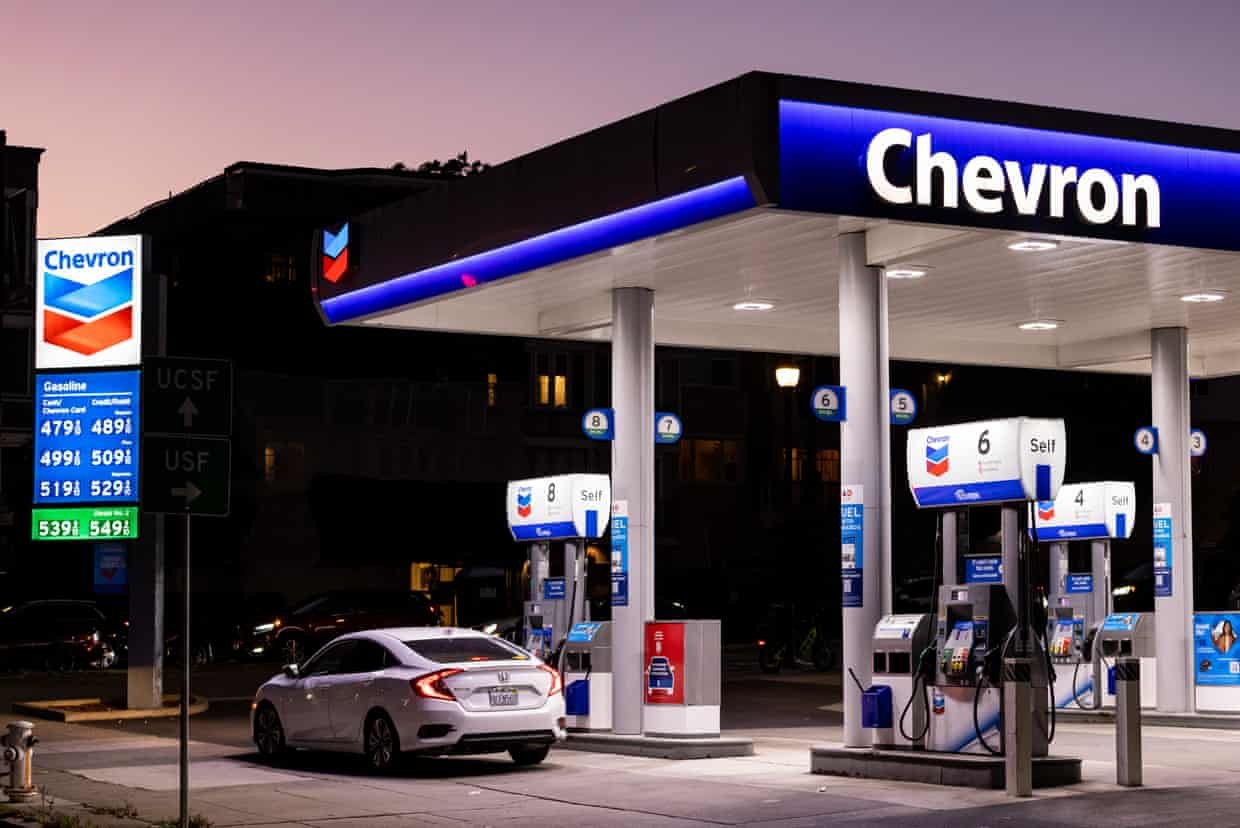
The US Supreme Court ruling on Louisiana coastal damage has handed a significant procedural win to major oil and gas companies, reopening a legal battle that could shape the future of environmental accountability in the United States. In an 8–0 decision, the court allowed energy firms including Chevron to move their case from state courts to federal courts, effectively giving them a fresh opportunity to challenge massive cleanup liabilities.
At the heart of the dispute lies a critical question: who should be held responsible for decades of coastal destruction in Louisiana and where should that battle be fought?
What the Supreme Court Actually Decided
Despite headlines framing it as a major victory for oil companies, the ruling is procedural, not final. The Supreme Court did not decide whether the companies are responsible for environmental damage. Instead, it focused on jurisdiction whether the case belongs in federal or state court.
By siding with the companies, the court ruled that their argument for federal jurisdiction deserves reconsideration. This effectively overturns a lower court decision that had kept the lawsuits in Louisiana state courts.
Why this matters: Federal courts are often seen as more favorable to corporate defendants in complex, multi-decade liability cases, particularly those involving national interests like wartime production.
The Backstory: Louisiana’s Disappearing Coastline
Louisiana’s coastal crisis is one of the most severe environmental challenges in North America. Over the past century, the state has lost more than 2,000 square miles of land an area larger than some small countries.
Experts warn that an additional 3,000 square miles could vanish in the coming decades, threatening ecosystems, communities, and critical Infrastructure.
The causes are complex, but research has consistently pointed to oil and gas activities as a major contributing factor, including:
- Dredging canals for drilling access
- Wetland destruction from infrastructure development
- Discharge of industrial wastewater into marshlands
These activities have accelerated erosion and disrupted natural sediment flows, weakening the coastline’s resilience against storms and rising sea levels.
The Lawsuits: Billions at Stake
The legal battle dates back to 2013, when dozens of lawsuits were filed against major energy companies, including Chevron and Exxon. The claims argue that these firms violated Louisiana’s environmental laws by failing to restore wetlands damaged during decades of oil and gas operations.
One of the most high-profile cases resulted in a Louisiana jury ordering Chevron to pay approximately $740 million for cleanup and restoration efforts.
That verdict became a turning point raising the stakes for similar cases and intensifying the industry’s legal pushback.
Why Oil Companies Want Federal Court
The companies’ central argument is rooted in History. They claim that much of their activity occurred during World war II, when they operated as contractors supporting US Government efforts.
Based on this, they argue:
- Their actions were conducted under federal authority
- They should be protected by federal contractor defenses
- The case therefore belongs in federal court
They also contend it is unfair to apply modern environmental standards to actions taken before such regulations existed.
The Opposition: Louisiana’s Case Against Big Oil
Local governments and environmental advocates strongly disagree. Their position is that:
- The damage is ongoing, not just historical
- Companies failed to meet restoration obligations even after regulations were in place
- State courts are the appropriate venue because the harm is local
Attorneys representing Louisiana parishes have described the Supreme Court appeal as a delaying tactic, arguing that communities continue to suffer while legal battles drag on.
Political and Industry Dynamics
The case also highlights an unusual political dynamic. Louisiana’s current Republican governor, Jeff Landry, supported the lawsuits during his tenure as attorney general even though he has long been aligned with the oil and gas industry.
This reflects the economic reality of Louisiana:
- The state relies heavily on the energy sector
- At the same time, it faces severe environmental consequences from that dependence
Meanwhile, the oil companies received backing from the federal government, reinforcing the national implications of the case.
A Closer Look at the Environmental Impact
The environmental damage in Louisiana is not just a local issue it has national and global implications.
1. Increased Hurricane Risk
Wetlands act as natural barriers against hurricanes. Their loss leaves inland communities more vulnerable to storm surges.
2. Biodiversity Loss
Louisiana’s marshes are among the most productive ecosystems in the US, supporting fisheries and wildlife.
3. Economic Consequences
Industries such as fishing, tourism, and Shipping depend on a stable coastline. Land loss threatens these sectors.
Comparison Insight: Similar Cases Across the US
Louisiana’s lawsuits are part of a broader trend where states and municipalities are increasingly holding corporations accountable for environmental damage.
Comparable legal battles include:
- Climate lawsuits against fossil fuel companies in states like California
- Water contamination cases involving industrial polluters
- Litigation over infrastructure-related environmental harm
However, what makes Louisiana unique is the scale of physical land loss a visible, measurable consequence that strengthens the case for accountability.
What Happens Next?
The Supreme Court’s decision sends the case back to lower courts for reconsideration under federal jurisdiction arguments. This means:
- The legal process will likely continue for years
- Previous state court victories could be challenged or delayed
- The final outcome remains uncertain
In practical terms, no cleanup funds will be immediately distributed, prolonging the environmental and economic impact on affected communities.
Prediction: A Long Legal Battle with National Implications
This case is unlikely to end quickly. Instead, it may set a precedent for how environmental liability cases are handled across the country.
Key possibilities include:
- Stronger federal defenses for companies operating under historical government contracts
- More challenges to state-level environmental lawsuits
- Increased scrutiny of legacy industrial practices
If the companies ultimately prevail, it could limit the ability of states to seek damages for historical environmental harm. If Louisiana wins, it could open the door to billions in liability claims nationwide.
The Unique Angle: This Case Is About Power as Much as Pollution
Beyond environmental concerns, this ruling underscores a deeper issue: the balance of power between states, corporations, and the federal government.
At its core, the dispute asks:
- Should states control environmental accountability within their borders?
- Or should federal authority take precedence when national interests are involved?
The answer will shape not just this case but the future of environmental law in the US.
Conclusion: A Temporary Win with Long-Term Consequences
The Supreme Court’s 8–0 ruling gives oil and gas companies a critical procedural advantage, but it does not resolve the fundamental question of responsibility for Louisiana’s coastal destruction.
For now, it delays potential financial accountability while shifting the battleground to federal courts. For Louisiana communities, it means more waiting. For the energy industry, it offers a strategic opportunity.
Ultimately, this case is about more than wetlands or legal technicalities it’s about who pays for environmental damage, how justice is delivered, and whether past actions can be judged by present standards.
The final verdict may still be years away but its impact could last decades.
For breaking news and live news updates, like us on Facebook or follow us on Twitter and Instagram. Read more on Latest World on thefoxdaily.com.






COMMENTS 0