- What the Manifesto Allegedly Said
- Donald Trump’s Response: Strong Denial and Media Criticism
- A Planned Attack: What Investigators Have Found So Far
- The Security Question: A Warning Hidden in the Manifesto
- Political Violence and the Lone-Actor Pattern
- The Role of Language: When Rhetoric Turns Dangerous
- Real-World Impact: Beyond the Immediate Incident
- A Pattern Worth Noticing: Manifestos as Signals
- What Happens Next?
- Conclusion: A Warning Beyond the Headlines
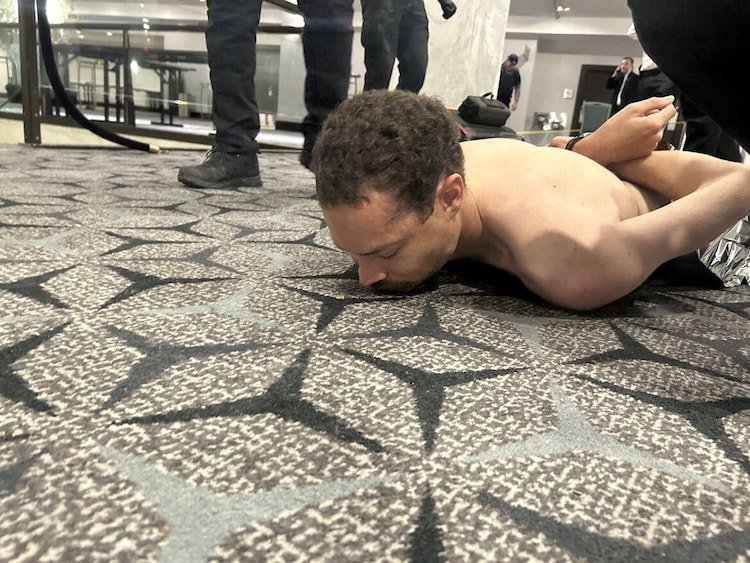
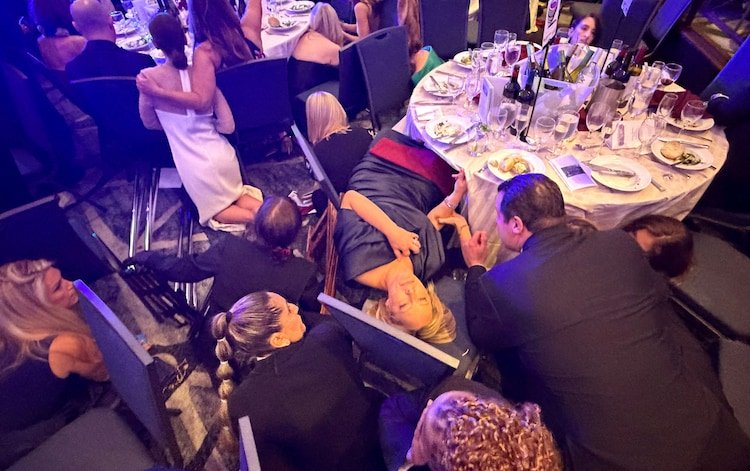
The aftermath of the shooting incident at the White House Correspondents’ Dinner has taken a darker turn with the emergence of a manifesto allegedly written by the suspect, 31-year-old Cole Tomas Allen. The document, sent to family members shortly before the attack, offers a disturbing glimpse into the mindset behind one of the most alarming Security breaches at a high-profile political gathering in recent years.
While the attack itself was quickly contained and no senior officials were harmed, the contents of the manifesto have intensified debate around political rhetoric, misinformation, and the growing risk of lone-wolf violence in deeply polarised environments.
What the Manifesto Allegedly Said
According to investigators and early reports, the suspect’s manifesto contained a mix of accusations, self-justification, and violent intent. One of the most widely reported lines reads:
“I am no longer willing to permit a paedophile, rapist, and traitor to coat my hands with his crimes.”
The statement does not explicitly name any individual, but authorities believe the broader context of the document suggests hostility toward figures within the US administration.
In addition to this, the suspect allegedly:
- Referred to himself as a “Friendly Federal Assassin”
- Outlined a belief that political leadership was corrupt or criminal
- Suggested that violence was a justified response
- Described, in chilling detail, how he planned to carry out the attack
Investigators are still verifying the full authenticity and scope of the document, but early findings indicate it was not a spontaneous outburst it was premeditated.
Donald Trump’s Response: Strong Denial and Media Criticism
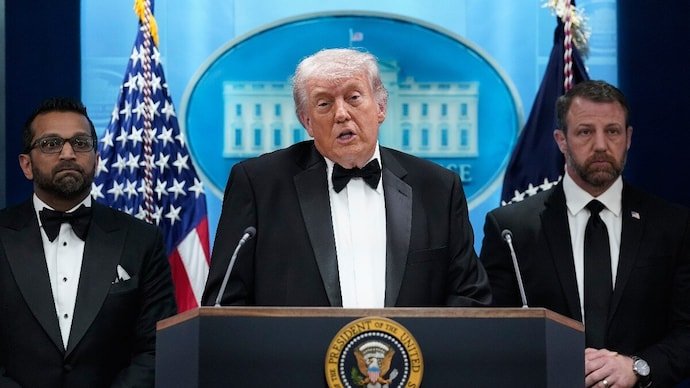
Former US President Donald Trump responded forcefully to the allegations and language contained in the manifesto during a televised interview. Rejecting any connection to the accusations, he dismissed the document as “radicalised rhetoric” and criticised media coverage of its contents.
Trump stated clearly:
“I’m not a rapist. I didn’t rape anybody.”
He further pushed back against suggestions that the suspect’s words were directed at him, calling the claims baseless and accusing critics of amplifying the narrative unfairly.
This response has added another layer to an already complex situation where political messaging, media framing, and public perception are colliding in real time.
A Planned Attack: What Investigators Have Found So Far
Beyond the rhetoric, what stands out most to investigators is the level of planning detailed in the manifesto. Authorities say the suspect described tactical choices, including weapon selection and approach strategy.
Key revelations include:
- Use of buckshot instead of slugs to control bullet penetration
- Intent to move through crowded areas if necessary
- A structured list of potential targets within the administration
Officials have indicated that the suspect aimed to target multiple individuals, describing them as ranging “from highest-ranking to lowest.” This suggests the attack was not symbolic it was designed to cause maximum disruption.
The Security Question: A Warning Hidden in the Manifesto
One of the more unsettling aspects of the document is the suspect’s reference to security vulnerabilities. He allegedly described a hypothetical scenario in which a foreign operative specifically mentioning an Iranian agent could bypass protections at the venue.
This detail is now being taken seriously by investigators, not because it confirms any foreign link, but because it highlights perceived weaknesses in event security.
In effect, the manifesto was not just a declaration of intent it was also a critique of the system the suspect believed he could exploit.
Political Violence and the Lone-Actor Pattern
The incident fits into a broader and increasingly concerning pattern: individuals acting alone, driven by a mix of ideological beliefs, misinformation, and personal grievance.
These cases often share common characteristics:
- Consumption of highly polarised or extreme content
- A sense of personal mission or justification
- Detailed planning without external coordination
- Targeting symbolic or high-visibility events
What makes such attacks particularly difficult to prevent is their unpredictability. Unlike organised groups, lone actors leave fewer detectable signals until it is too late.
The Role of Language: When Rhetoric Turns Dangerous
The language used in the manifesto is not just inflammatory it reflects a deeper issue about how extreme narratives can evolve into real-world action.
Terms like “traitor” and “criminal” are not uncommon in political discourse. But when combined with dehumanisation and moral justification for violence, they can become triggers rather than just expressions.
This raises uncomfortable but necessary questions:
- Where is the line between free speech and incitement?
- How do narratives escalate from criticism to justification of harm?
- What responsibility do public platforms and institutions carry?
There are no easy answers but ignoring the progression is no longer an option.
Real-World Impact: Beyond the Immediate Incident
Although no senior officials were injured, the implications of this incident extend far beyond a single night.
1. Security Reassessment
Authorities are now reviewing how the suspect was able to get so close to a heavily guarded event.
2. Political Tensions
The rhetoric surrounding the manifesto is likely to deepen existing divisions.
3. Public Confidence
Incidents like this can erode trust in institutional safety and governance.
In many ways, the psychological impact may outlast the physical threat.
A Pattern Worth Noticing: Manifestos as Signals
One unique aspect of modern attacks is the increasing use of manifestos. These documents serve multiple purposes:
- They justify actions in the attacker’s mind
- They attempt to shape public narrative after the fact
- They act as signals to like-minded individuals
In this case, the manifesto appears to do all three making it as much a communication tool as a personal statement.
What Happens Next?
The investigation is ongoing, and several key questions remain unanswered:
- Was the suspect acting entirely alone?
- What sources influenced his beliefs?
- Could earlier intervention have prevented the attack?
Authorities are expected to conduct a detailed forensic and psychological analysis, while policymakers may push for tighter security and monitoring measures at high-profile events.
Conclusion: A Warning Beyond the Headlines
The White House event shooting and the manifesto behind it are not isolated developments they are part of a larger, more complex shift in how political Conflict manifests in the modern era.
This was not just an attack. It was a statement, a signal, and a warning.
The real challenge now is not only to strengthen security but to understand the deeper forces driving such incidents. Because preventing the next one will depend less on reacting to events and more on recognising the patterns before they unfold.
For breaking news and live news updates, like us on Facebook or follow us on Twitter and Instagram. Read more on Latest World on thefoxdaily.com.


COMMENTS 0