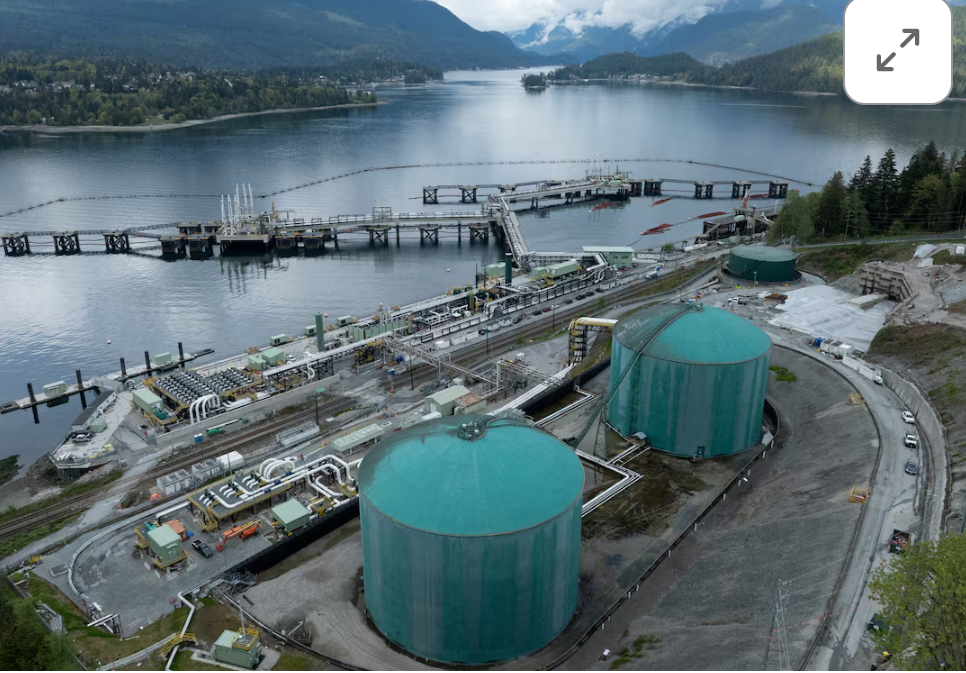
Oil Prices fell about 3% on Thursday, September 17, 2026, reaching a one-week low as fresh signs of alternative Saudi crude shipments eased immediate concerns about a severe supply shortage. Brent crude remained above $100 a barrel, however, as investors continued to monitor the risk of further disruption from the widening Middle East conflict.
Saudi Arabia‘s efforts to maintain exports through Oman, combined with expectations that its damaged East-West Pipeline could return to service within days, helped reduce some of the supply-risk premium built into crude prices earlier in the week.
At the same time, uncertainty remains high. Damage to pumping stations along the pipeline has created questions about the actual repair timeline, while disruptions to diesel supplies in Europe, the United States and Russia are adding another layer of pressure to global energy markets.
Brent and WTI Prices Drop Sharply
Brent crude futures fell $3.85, or 3.64%, to $101.98 a barrel at 1000 GMT. The contract touched its lowest level since September 10.
U.S. West Texas Intermediate crude futures declined $3, or 2.93%, to $99.43 a barrel, also reaching their lowest level in several sessions.
| Crude Benchmark | Latest Price | Daily Move |
|---|---|---|
| Brent crude | $101.98 per barrel | -3.64% |
| WTI crude | $99.43 per barrel | -2.93% |
Both benchmarks had already declined by roughly $3 on Wednesday. The two-day fall indicates that traders have reduced some of the immediate supply-disruption premium that pushed prices toward four-month highs earlier in the week.
Saudi Arabia Uses Oman Route to Maintain Crude Shipments
A major reason for Thursday’s decline was news that Saudi Arabia was offering additional crude cargoes to Asian refiners through ship-to-ship transfers off Oman’s Sohar port.
The alternative route is helping compensate for some of the disruption caused by attacks on Saudi Arabia’s East-West Pipeline, which normally transports crude toward the Red Sea and the Yanbu export hub.
For oil markets, the development is important because it demonstrates that Saudi Arabia has alternative logistical options even when one major export route is disrupted.
Maintaining shipments can prevent a temporary infrastructure problem from immediately becoming a global physical shortage. However, alternative transportation arrangements may not fully replace the normal capacity of damaged infrastructure, particularly if disruptions continue for an extended period.
Why the East-West Pipeline Matters
Saudi Arabia’s East-West Pipeline provides a strategic alternative to routes affected by geopolitical tensions around the region. It moves crude across the Arabian Peninsula toward the Red Sea, allowing some oil to reach export markets without relying entirely on the Strait of Hormuz.
The recent attacks damaged two pumping stations serving the pipeline, according to oil and security sources. The exact repair timeline remains uncertain.
Market participants have estimated that a prolonged pipeline shutdown could affect as much as 4% of global oil supply. The potential scale explains why crude prices rose sharply when the disruption first emerged.
| Supply Development | Market Significance |
|---|---|
| East-West Pipeline damage | Creates a major Saudi export-route disruption |
| Alternative Oman shipments | Offsets part of the disrupted supply |
| Yanbu loading suspension | Reduced availability from the Red Sea export hub |
| Possible pipeline restart | Could reduce the supply-risk premium |
Pipeline Restart Expectations Push Oil Lower
Another factor weighing on prices was an indication from U.S. Energy Secretary Chris Wright that crude could begin flowing through the damaged pipeline within days.
If the pipeline returns to service quickly, concerns about a prolonged Saudi supply disruption would diminish considerably. Traders would have less reason to price a large and persistent loss of export capacity into crude futures.
However, the optimistic timeline has not been fully confirmed by Saudi authorities. Reports that two pumping stations were damaged mean that the actual restoration process could take longer than initially expected.
This creates a key uncertainty for the oil market: whether the current price decline reflects a genuine improvement in physical supply conditions or simply a temporary reduction in fear.
Oil Remains Above $100 Despite the Decline
Although crude prices dropped around 3%, Brent remained above the psychologically important $100-a-barrel level.
That is significant because the broader supply situation remains fragile. The Middle East conflict continues to threaten shipping routes and energy infrastructure, while disruptions involving Saudi Arabia and Russia are affecting both crude and refined-product markets.
The market therefore remains highly sensitive to new developments. A successful pipeline repair and stable alternative shipments could push prices lower, while another major attack could quickly restore the risk premium.
DBS Sees Lower Oil Prices If Tensions Ease
Singapore-based DBS Bank said its base-case fourth-quarter scenario assumes tensions between the United States and Iran ease. Under that scenario, the bank expects Brent to stabilize within an $85-to-$95-a-barrel range.
Such a scenario would represent a substantial reduction from current prices and would require geopolitical risks to diminish enough for traders to focus more heavily on underlying supply and demand fundamentals.
The forecast also illustrates how much of the current oil price is connected to geopolitical uncertainty. If the conflict becomes less disruptive, some of the premium associated with supply risk could disappear.
Diesel Supply Becomes a Growing Concern
While crude oil remains the main focus, refined fuel markets are developing their own supply pressures. Diesel availability has become increasingly important as energy infrastructure disruptions affect refineries and fuel transportation.
European gasoil futures, a major benchmark for diesel markets, settled at a record high on Tuesday. U.S. ultra-low sulfur diesel futures also reached a record settlement.
Diesel is particularly important to the global economy because it powers freight transportation, heavy machinery, agriculture and industrial activity. A shortage can therefore affect businesses even if crude oil supplies remain adequate.
Tim Waterer, chief market analyst at KCM Trade, said refined-product tightness could become a larger concern than crude supply itself in the near term, particularly while Russian refining capacity remains constrained.
Russia Refinery Damage Adds to Fuel Market Pressure
Russian refining capacity has also become a factor in the diesel market. A Ukrainian drone attack damaged a refinery in Yaroslavl, according to the regional governor, causing a fire that was subsequently extinguished.
Damage to refining facilities can have a different market impact from a disruption to crude production. Refineries convert crude oil into products such as diesel and gasoline, meaning a refinery outage can reduce fuel availability even when crude remains available.
This distinction is increasingly important for energy markets. Traders must monitor not only how much crude is being produced but also how much refining capacity is available to transform that crude into usable fuels.
Refiners May Prioritize Diesel Production
Goldman Sachs said concerns about diesel shortages and rising diesel prices were encouraging refiners to prioritize diesel production over gasoline.
Refiners have some flexibility in adjusting their product mix, but that flexibility is not unlimited. If diesel demand or supply disruptions become severe, increased diesel production can affect the availability of other refined products.
This creates a potential chain reaction across fuel markets. Higher diesel prices can raise transportation and logistics costs, which can eventually feed into the prices of goods and services.
Crude Oil Versus Refined Fuel Risk
The current market demonstrates why crude oil prices alone do not provide the complete picture of energy-market stress.
| Market | Main Current Risk |
|---|---|
| Crude oil | Supply disruptions and geopolitical escalation |
| Diesel | Refinery outages and tightening product availability |
| Gasoline | Competition for refinery capacity and crude availability |
| Shipping | Disruption around important Middle East routes |
| Saudi exports | Pipeline and Yanbu loading disruptions |
If crude production remains relatively stable but refineries experience increasing disruptions, diesel and other refined products can become the more important source of energy-market inflation.
What Could Push Oil Prices Lower?
Several developments could encourage further declines in crude prices.
- East-West Pipeline restart: A confirmed return to normal operations would reduce concerns about Saudi export capacity.
- Continued Oman shipments: Maintaining alternative crude flows could limit the immediate supply deficit.
- Lower Middle East tensions: Reduced geopolitical risk could remove part of the premium embedded in oil prices.
- Stable shipping: Improved conditions on major regional shipping routes would support energy flows.
- Higher available supply: Additional crude reaching international markets would reduce scarcity concerns.
What Could Push Oil Prices Higher Again?
The decline could reverse if the physical supply situation deteriorates.
- Longer pipeline outage: Delayed repairs would increase concerns about Saudi export capacity.
- Further attacks: Additional strikes against energy infrastructure could increase the supply-risk premium.
- Shipping disruption: Wider conflict around important maritime routes could restrict crude and fuel deliveries.
- Refinery outages: Additional disruptions could intensify diesel shortages.
- Russian refining losses: Further reductions in refinery output could tighten global fuel markets.
Impact on Inflation and the Global Economy
Oil and diesel prices have implications far beyond energy companies. Higher fuel costs can increase transportation expenses for businesses, raise logistics costs and place pressure on household budgets.
Persistent energy inflation can also complicate monetary policy. Central banks may have to consider whether higher fuel prices are temporary or likely to spread into broader consumer prices and wages.
For countries that rely heavily on imported energy, a prolonged oil-price increase can also raise import bills and put pressure on trade balances and currencies.
By contrast, a sustained decline in crude prices would provide some relief to consumers and energy-intensive industries and could reduce one source of inflation pressure.
Key Indicators to Watch
- Saudi pipeline repairs: Confirmation of the restart schedule will be critical for supply expectations.
- Yanbu exports: Traders will monitor whether loading activity resumes normally.
- Oman shipments: Additional cargoes could help stabilize Saudi exports.
- Brent’s $100 level: The market’s response around this threshold may indicate changing supply-risk expectations.
- Diesel prices: Record refined-product prices could become a larger economic concern.
- Russian refinery operations: Further outages could tighten global diesel markets.
- Middle East diplomacy: Any reduction or escalation in tensions could quickly affect crude prices.
Oil Market Outlook
Thursday’s 3% decline in oil prices shows how quickly the market can reassess supply risks when alternative export arrangements become available. Saudi Arabia’s efforts to move more crude through Oman and expectations of a relatively quick pipeline repair have reduced some of the immediate pressure on crude markets.
However, Brent remains above $100, demonstrating that traders continue to assign significant risk to the possibility of further disruption. The physical damage to Saudi infrastructure has not disappeared, and the timing of a full recovery remains uncertain.
Meanwhile, diesel markets are sending a different warning. Record gasoil and ultra-low sulfur diesel prices suggest that refined-product availability could become an increasingly important issue even if crude prices continue to decline.
Conclusion
Oil prices fell about 3% on September 17, with Brent dropping to $101.98 and WTI to $99.43, as additional Saudi crude shipments through Oman eased immediate supply concerns.
Expectations that the East-West Pipeline could return to service within days also reduced the risk premium. Nevertheless, damage to pumping stations, uncertainty around repairs and continuing Middle East tensions mean that the supply outlook remains fragile.
The growing pressure in diesel markets adds another dimension to the energy story. With Russian refining capacity also affected, refined fuels could remain under pressure even if crude prices continue their recent decline. For global markets, the next major signals will come from Saudi pipeline repairs, regional shipping conditions and the direction of diesel and crude prices.
For breaking news and live news updates, like us on Facebook or follow us on Twitter and Instagram. Read more on Latest Business on thefoxdaily.com.






COMMENTS 0