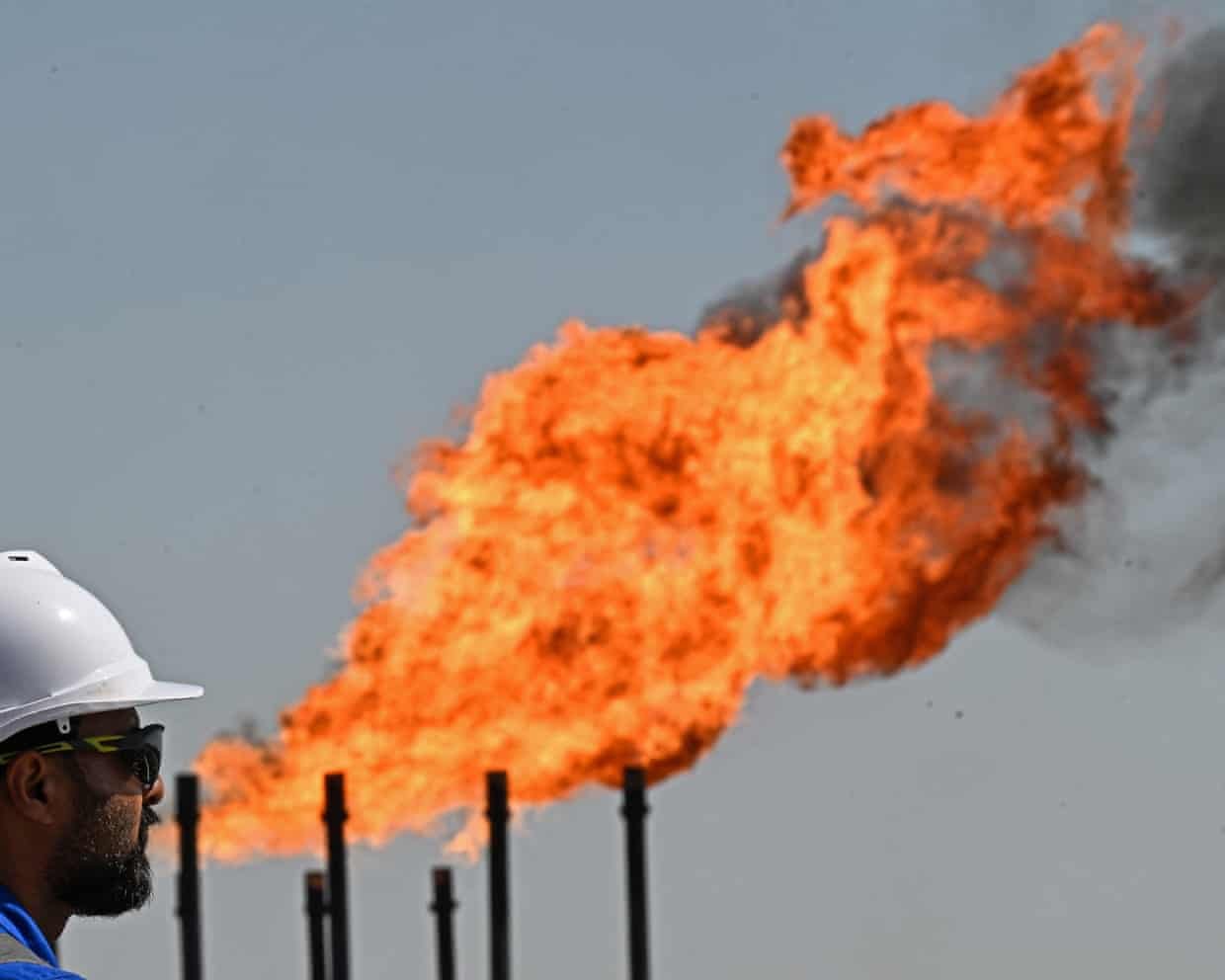
- Why Oil Prices Are Spiking So Fast
- The Strait of Hormuz: Why It Matters So Much
- How High Could Prices Go?
- Comparison: Oil Price Shocks Across History
- Global Economic Impact: More Than Just Fuel Prices
- Financial Markets Are Already Reacting
- Could This Trigger a Global Recession?
- The Strategy Behind the Blockade
- Iran’s Countermove: Controlling the Chokepoint
- What This Means for India and Other Importers
- Short-Term vs Long-Term Outlook
- Conclusion: A Fragile Moment for the Global Economy
Global oil markets are on edge. Brent crude has surged past $120 a barrel at one point climbing above $126 after former U.S. President Donald Trump signaled that a naval blockade targeting Iran could continue for months. Combined with Iran’s response of restricting movement through the Strait of Hormuz, the world’s most critical oil chokepoint, the result is a supply shock that is rippling across economies.
This is not just another price spike. It is a moment that could reshape Inflation, growth, and geopolitical dynamics all at once.
Why Oil Prices Are Spiking So Fast
The recent surge is being driven by a perfect storm of geopolitical and market forces:
- Blockade fears: The possibility of a prolonged U.S. naval blockade on Iranian Ports
- Strait of Hormuz disruption: Iran restricting tanker movement through a key global route
- Failed diplomacy: Stalled negotiations removing hopes of quick de-escalation
Markets react not just to current supply, but to expected supply. When traders anticipate shortages, prices rise immediately even before actual supply drops fully materialize.
The Strait of Hormuz: Why It Matters So Much
To understand the scale of the crisis, consider this: a significant portion of the world’s Oil Supply flows through the Strait of Hormuz every day.
When that flow is disrupted, even partially, the impact is global.
Estimates suggest that nearly 20 million barrels of oil per day could be affected if the strait remains constrained. That’s not a marginal disruption it’s a systemic shock.
How High Could Prices Go?
Some forecasts suggest this may only be the beginning.
Economic analysts warn that if the standoff continues for several months, oil prices could climb dramatically potentially reaching levels near $190 per barrel.
To put that in perspective, the last time oil approached such extremes was during major global crises, including the 2008 financial meltdown.
Comparison: Oil Price Shocks Across History
| Event | Peak Oil Price | Impact |
|---|---|---|
| 2008 Financial Crisis | ~$147/barrel | Global recession |
| 2022 Ukraine War | ~$139/barrel | Inflation surge |
| Current Iran Conflict | $120+ (rising) | Uncertain, escalating |
The pattern is clear: sharp oil price increases often precede or accompany major economic disruptions.
Global Economic Impact: More Than Just Fuel Prices
When oil prices rise this sharply, the effects spread quickly across the Global Economy.
1. Inflation Pressure
Higher fuel costs increase transportation and production expenses, pushing up prices for goods and services.
2. Rising Interest Rates
Central banks may respond to inflation by raising interest rates, making borrowing more expensive.
3. Slower Economic Growth
Higher costs reduce consumer spending and Business investment, slowing overall growth.
In combination, these factors can create a dangerous scenario known as stagflation high inflation with low growth.
Financial Markets Are Already Reacting
The shock is not limited to oil markets. Bond markets around the world are also showing signs of stress.
Government bond yields in major economies including japan, Germany, and the United Kingdom have climbed to multi-decade highs. This reflects growing investor concern about inflation and economic stability.
When bond yields rise, it signals that markets expect tougher economic conditions ahead.
Could This Trigger a Global Recession?
Some economists believe the risk is real and rising.
If disruptions in the Strait of Hormuz persist for several months, the cumulative impact on energy supply, inflation, and consumer confidence could push the global economy into recession.
The key variable is duration. A short disruption may be absorbed. A prolonged one could be far more damaging.
The Strategy Behind the Blockade
The U.S. approach appears to be focused on economic pressure rather than immediate escalation.
By restricting Iran’s ability to export oil, the blockade aims to:
- Limit revenue from oil sales
- Force production slowdowns
- Increase internal economic pressure
This strategy is designed to achieve strategic objectives without full-scale military escalation but it comes with global consequences.
Iran’s Countermove: Controlling the Chokepoint
Iran’s response has been equally strategic.
By restricting access to the Strait of Hormuz, it is leveraging geography to exert pressure on global markets and its adversaries.
This creates a high-stakes standoff:
- The U.S. applies economic pressure through a blockade
- Iran responds by tightening a critical supply route
Both sides are applying leverage but the global economy is caught in the middle.
What This Means for India and Other Importers
Countries heavily dependent on oil imports are among the hardest hit.
For nations like India:
- Fuel prices could rise significantly
- Inflation pressures may increase
- Trade balances could worsen
Energy Security becomes a top priority in such scenarios, forcing governments to explore alternative suppliers and strategies.
Short-Term vs Long-Term Outlook
Short Term
Volatility is likely to remain high. Prices could fluctuate sharply based on developments in the Conflict and any signals from negotiations.
Long Term
If the crisis persists, it may accelerate structural changes:
- Diversification of energy sources
- Increased investment in renewables
- Shifts in global trade patterns
In other words, today’s crisis could reshape tomorrow’s energy landscape.
Conclusion: A Fragile Moment for the Global Economy
The surge in oil prices above $120 is more than a market reaction it’s a warning signal.
It reflects deep uncertainty about supply, escalating geopolitical tension, and the risk of prolonged disruption in one of the world’s most critical energy corridors.
Whether this becomes a temporary spike or a sustained crisis depends largely on how the U.S.-Iran standoff evolves in the coming weeks.
But one thing is clear: when oil markets move this sharply, the consequences rarely stay confined to energy alone.
They ripple outward into economies, Politics, and everyday life.
And right now, those ripples are getting stronger.
For breaking news and live news updates, like us on Facebook or follow us on Twitter and Instagram. Read more on Latest World on thefoxdaily.com.






COMMENTS 0