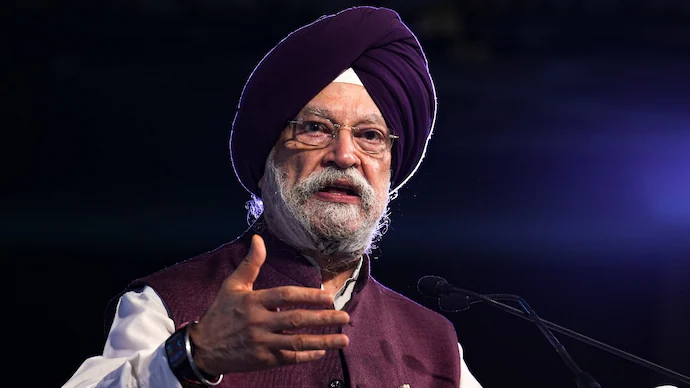
India has faced no pressure from the United States to reduce its purchases of Russian crude oil, Petroleum Minister Hardeep Singh Puri said on Tuesday. He explained that Indian refiners make purchasing decisions based primarily on crude prices, discounts and the availability of supplies in the global market.
Puri’s remarks come as India adjusts its crude oil sourcing strategy, with refiners increasing purchases from the Middle East and reducing their reliance on Russian supplies. The shift highlights how changing prices, competition for cargoes and the availability of alternative suppliers can influence India’s energy imports.
Asked whether Washington had pressured India to cut Russian Oil purchases, Puri said at an industry event, “I never felt anything.” His statement suggests that, from his perspective, commercial considerations remain central to decisions about where Indian refiners buy crude oil.
The comments also come against the backdrop of international sanctions and continuing scrutiny of Russian energy exports following the war in Ukraine. However, Puri attributed changes in India’s purchasing patterns to market conditions rather than pressure from foreign governments.
Why India Is Changing Its Russian Oil Purchases
India significantly increased its purchases of Russian crude after the conflict in Ukraine began. Russian oil became available at discounted prices, giving Indian refiners an opportunity to lower their input costs while securing supplies for the country’s large refining industry.
Before the war, Russian crude accounted for just 0.2% of India’s oil imports, according to Puri. The subsequent increase reflected the commercial attraction of discounted Russian supplies and the opportunity for refiners to diversify their sourcing.
More recently, the balance has started to change. Indian refiners have been comparing Russian crude with supplies from the Middle East, taking into account prices, discounts, shipping availability and the commercial terms offered by producers.
When alternative suppliers offer competitive prices and additional cargoes become available, refiners have an incentive to reassess their purchases. As a result, a reduction in Russian imports does not necessarily indicate a change in official policy; it can also reflect differences in the relative attractiveness of available crude grades.
Puri emphasised the role of commercial incentives, saying, “Whatever people say or do, ultimately it is anchored in their self-interest.” His comments underline the importance of price and availability in decisions made by companies that depend on imported crude oil.
Middle Eastern Crude Imports Rise as Russian Supplies Decline
India’s imports of Middle Eastern crude surged in September, returning to levels seen before Russia’s invasion of Ukraine, according to ship-tracking data cited in the supplied report.
The increase reflects the availability of additional cargoes from producers in the Gulf region. As Middle Eastern suppliers offer competitive commercial terms, Indian refiners can adjust their purchasing mix to meet operational requirements and manage costs.
Crude oil sourcing decisions involve more than the headline price of a barrel. Refiners also consider the type of crude, transportation costs, delivery schedules, refinery compatibility and the terms offered by individual suppliers. These factors can affect the overall cost of processing crude into petrol, diesel, aviation fuel and other petroleum products.
Russian and Middle Eastern crude grades compete within this wider commercial environment. If the relative cost advantage of one source narrows or disappears, refiners may shift orders towards alternatives that offer better value or more reliable availability.
The recent rise in Middle Eastern imports therefore points to a changing supply mix. The longer-term direction of India’s purchases will depend on market conditions, supplier offers and the regulatory environment affecting international oil trade.
What the US Sanctions Waiver Means for India’s Oil Trade
The headline refers to a sanctions waiver, placing Puri’s comments within the broader debate over restrictions affecting Russian oil exports. Sanctions-related measures can influence how crude is purchased, transported, insured and paid for, making regulatory developments an important consideration for refiners and other companies involved in international energy trade.
However, Puri’s statement that India faced no pressure from Washington should be understood as his account of the situation. It does not, by itself, establish the full scope or legal implications of any particular waiver. The precise conditions, duration and coverage of a waiver would need to be assessed separately from the minister’s remarks.
For Indian refiners, the practical effect of sanctions-related measures depends on the rules that apply to particular transactions and the availability of compliant suppliers, shipping arrangements and financial services. Companies must evaluate those requirements alongside the cost and availability of crude oil.
India’s energy strategy involves balancing affordability, supply security and the need to meet domestic demand. The choice between Russian, Middle Eastern and other crude sources can consequently change as market prices and international trading conditions evolve.
Why Russian Oil Prices Matter to Indian Refiners
India is one of the world’s major crude oil importers and relies heavily on overseas supplies to meet its energy requirements. The price at which refiners purchase crude can affect their operating costs, margins and the economics of producing petroleum products.
Discounted Russian crude became attractive because it offered refiners the possibility of sourcing oil below the prices available for competing grades. The size of that advantage, however, can change depending on global supply and demand, transportation expenses and the discounts offered by other producers.
Middle Eastern suppliers remain important to India’s energy supply because of their established trade links and ability to deliver substantial volumes. When cargo availability improves and prices become competitive, refiners can increase purchases from the region without necessarily making a broader political statement about their relationships with other oil-producing countries.
The commercial calculation is especially important for a country that imports large quantities of crude. Even relatively small changes in purchasing costs can have significant implications when applied across substantial import volumes.
India Plans to Expand Its Refining Capacity
Puri also said India was expanding its refining capacity to meet domestic demand and fulfil export commitments. The expansion is intended to strengthen the country’s ability to process imported crude and supply petroleum products to Indian consumers and overseas markets.
Refining capacity is a significant component of India’s energy infrastructure. Although the country imports much of the crude oil it consumes, its refineries process that crude into a wide range of products, including petrol, diesel and other fuels used by households, businesses and industries.
Additional capacity can help refiners respond to changing demand and process supplies obtained from different regions, although the benefits depend on investment, infrastructure, operating efficiency and market conditions. Greater capacity does not remove India’s dependence on imported crude, but it can strengthen its ability to convert available supplies into finished petroleum products.
India’s role in refined petroleum product exports also means that refinery operations are connected to international markets. Refiners must consider domestic fuel requirements alongside overseas demand and the commercial opportunities available to sell processed products abroad.
What Happens Next for India’s Crude Oil Sourcing?
India’s future crude oil purchases will depend on how the prices and availability of Russian and Middle Eastern supplies compare. Refiners are likely to continue evaluating discounts, shipping costs, delivery schedules and the conditions governing international transactions.
Russian oil could remain commercially attractive when its overall delivered cost is competitive, while Middle Eastern supplies may gain a larger share when producers offer favourable terms or make more cargoes available. The balance can change as market conditions evolve.
Puri’s remarks reinforce the government’s position that purchasing decisions are shaped by commercial considerations. Nevertheless, the wider international context, including sanctions and developments in the global oil market, remains relevant to the choices available to refiners.
Key takeaway: Petroleum Minister Hardeep Singh Puri said India had faced no US pressure to reduce Russian crude purchases. He attributed changes in India’s oil imports to prices, discounts and supply availability, as refiners increased Middle Eastern purchases and reassessed their sourcing strategies.
For breaking news and live news updates, like us on Facebook or follow us on Twitter and Instagram. Read more on Latest Business on thefoxdaily.com.






COMMENTS 0