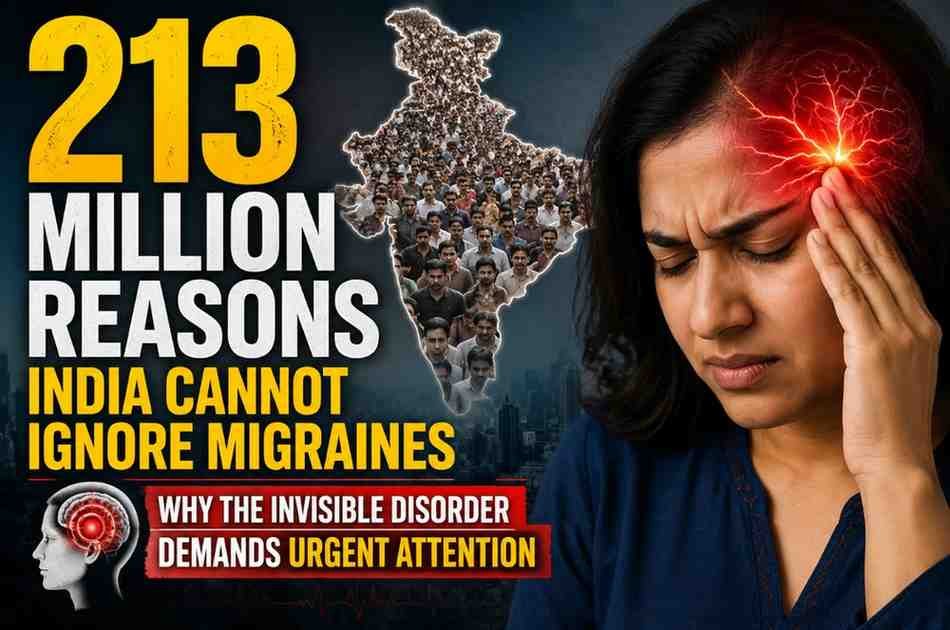
Migraine is one of the most common neurological disorders in the world, yet it remains widely misunderstood. In India alone, an estimated 213 million people live with migraine, making it a health issue too large to ignore. Despite its prevalence, many sufferers continue to struggle in silence, frequently misdiagnosed or dismissed as experiencing ordinary headaches.
The burden extends far beyond physical pain. Migraine affects education, careers, family life, and mental well-being, making it an invisible condition with very visible consequences. As awareness around neurological health grows, experts are increasingly calling for better diagnosis, access to treatment, and a shift in how society perceives migraine disorders.
What Is a Migraine and Why Is It Different From a Regular Headache?
Contrary to popular belief, migraine is not simply a severe headache. It is a complex neurological condition that can involve intense throbbing pain, sensitivity to light and sound, nausea, vomiting, and, in some cases, visual disturbances known as aura.
Episodes can last anywhere from a few hours to several days, significantly disrupting normal daily activities. For many patients, migraines are recurring and unpredictable, creating anxiety about when the next attack might strike.
This unpredictability is one reason migraine can become debilitating despite not being outwardly visible.
Why 213 Million Cases Represent a Public Health Challenge
India’s estimated 213 million migraine sufferers represent nearly one in every seven people. Such a large patient population means migraine is not an isolated issue but a major public health concern with implications for healthcare systems, workplaces, schools, and the economy.
Unlike infectious diseases that attract immediate public attention, neurological disorders often remain hidden. Many individuals continue working or attending school despite severe symptoms, leading to reduced productivity and diminished quality of life.
The sheer scale of migraine prevalence highlights the urgent need for awareness and early intervention.
Common Symptoms of Migraine
Symptoms can vary widely between individuals, making diagnosis challenging. Some of the most commonly reported symptoms include:
- Moderate to severe throbbing headache
- Pain usually affecting one side of the head
- Nausea and vomiting
- Sensitivity to bright lights and loud sounds
- Blurred vision or visual aura
- Dizziness and fatigue
- Difficulty concentrating
- Temporary disruption of daily activities
Because symptoms differ from person to person, migraine is often mistaken for stress-related headaches or sinus problems.
Who Is Most Affected?
Migraine can affect individuals of all ages, but it is particularly common among adults in their most productive years. Women are generally more likely to experience migraine than men, partly due to hormonal influences.
Young professionals, students, and working mothers often face unique challenges because recurring attacks interfere with academic performance, career growth, and family responsibilities.
Children and adolescents are not immune either, and early symptoms may sometimes go unrecognized.
| Age Group | Common Impact |
|---|---|
| Teenagers | Reduced academic performance |
| Young Adults | Work-related stress and absenteeism |
| Women | Hormonal triggers and recurring episodes |
| Middle-aged Adults | Loss of productivity and quality of life |
| Elderly Individuals | Complications with existing health conditions |
Why Migraine Is Frequently Misunderstood
One of the biggest challenges faced by migraine sufferers is the lack of awareness. Because the condition leaves no visible injuries or physical signs, many patients hear phrases like “it’s just stress” or “everyone gets headaches.”
This misunderstanding often delays diagnosis and treatment. Some patients spend years seeking answers before receiving appropriate medical guidance.
The stigma associated with invisible illnesses also prevents many people from discussing their symptoms openly.
Common Migraine Triggers
Triggers vary from person to person, and identifying them is an important part of managing the condition. Common triggers include:
- Lack of sleep
- Stress and anxiety
- Hormonal changes
- Skipping meals
- Dehydration
- Bright lights and loud noises
- Certain foods and beverages
- Changes in weather patterns
Understanding these triggers allows patients to make lifestyle adjustments that may reduce the frequency and severity of attacks.
The Economic Impact of Migraine
The burden of migraine extends beyond healthcare costs. Lost productivity, absenteeism, reduced concentration, and impaired work performance contribute significantly to economic losses.
Employees experiencing migraine attacks may struggle to function effectively, while students can miss classes and examinations. Families often bear additional emotional and financial stress associated with repeated medical consultations and treatment expenses.
Despite these consequences, migraine rarely receives the same policy attention as other chronic illnesses.
The Link Between Migraine and Mental Health
Research has increasingly highlighted the connection between migraine and mental health conditions such as anxiety and depression. Living with unpredictable attacks can create constant worry, social isolation, and emotional exhaustion.
Many patients report feeling misunderstood or guilty about cancelling plans, missing work, or needing extended periods of rest.
This psychological burden makes comprehensive treatment approaches particularly important.
Advances in Migraine Treatment and Management
Medical understanding of migraine has improved significantly over the past decade. Treatment options now extend beyond traditional painkillers and include preventive therapies, lifestyle modifications, and personalized treatment plans.
Doctors often recommend:
- Early diagnosis and medical consultation
- Keeping a migraine diary to identify triggers
- Stress management techniques
- Regular sleep schedules
- Balanced nutrition and hydration
- Preventive medications in chronic cases
- Avoiding self-medication and excessive painkiller use
Timely intervention can greatly improve quality of life and reduce the frequency of attacks.
Why India Needs Greater Awareness
Public understanding of migraine remains limited compared with awareness around diabetes, hypertension, or heart disease. Educational campaigns and better access to neurological care could help millions of Indians receive proper diagnosis and treatment.
Employers, schools, and healthcare providers also have an important role in recognizing that migraine is a genuine neurological disorder rather than a minor inconvenience.
Increased awareness could reduce stigma and encourage people to seek professional help sooner.
The Future of Migraine Care in India
As healthcare systems become more focused on chronic diseases and neurological disorders, migraine management is likely to receive greater attention. Advances in research and new treatment options offer hope for patients who have long struggled with recurrent attacks.
Digital health tools, telemedicine, and improved specialist access may also help bridge gaps in diagnosis and care, particularly in smaller cities and rural regions.
The growing conversation around brain health suggests that migraine awareness could become an important public health priority in the years ahead.
Conclusion
The figure of 213 million migraine sufferers serves as a powerful reminder that migraine is far more than an occasional headache. It is a complex neurological disorder affecting millions of lives, productivity, relationships, and emotional well-being.
Greater awareness, early diagnosis, and improved access to treatment are essential if India is to address this invisible yet impactful health challenge. As understanding of migraine continues to evolve, recognizing the condition with empathy and seriousness may prove to be one of the most important steps toward improving the lives of millions of Indians.
For breaking news and live news updates, like us on Facebook or follow us on Twitter and Instagram. Read more on Latest Health on thefoxdaily.com.


COMMENTS 0