
What if everything you thought you knew about Migraine was only half true? Migraine is often misunderstood as “just a headache,” but for millions worldwide, it is a complex neurological condition that disrupts daily life. Affecting up to 17% of women and 8% of men, migraine doesn’t just cause pain—it interferes with work, relationships, and quality of life.
So why do myths about migraine still persist? How can better knowledge change outcomes? And what practical steps can you take to manage it effectively?
This comprehensive guide goes beyond a simple quiz. It breaks down common migraine myths, explains the science behind them, and offers actionable insights to help you stay ahead of attacks. Whether you experience migraine yourself or support someone who does, understanding the truth can make all the difference.
Understanding Migraine: More Than Just a Headache
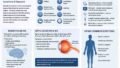
Migraine is a neurological disorder characterized by recurring attacks of moderate to severe head pain, often accompanied by symptoms such as nausea, sensitivity to light and sound, and visual disturbances known as aura.
Unlike typical headaches, migraine involves complex brain activity, including changes in nerve signaling, blood flow, and chemical balance. This is why migraine can impact the entire body—not just the head.
Key Symptoms of Migraine
- Throbbing or pulsating pain (often one-sided)
- Nausea and vomiting
- Sensitivity to light (photophobia)
- Sensitivity to sound (phonophobia)
- Visual disturbances (aura)
- Fatigue and brain fog
Migraine Myths vs Facts: Quiz-Style Breakdown
Myth 1: Migraine is Just a Bad Headache
Fact: Migraine is a neurological condition, not just a headache. The pain is only one part of a broader spectrum of symptoms involving the brain and nervous system.
Insight: This misconception leads to underdiagnosis and undertreatment. Many people delay seeking medical help because they think their symptoms are “normal.”
Myth 2: Only Women Get Migraine
Fact: While migraine is more common in women due to hormonal factors, men also experience it significantly.
Comparison:
| Group | Prevalence | Key Factor |
|---|---|---|
| Women | Up to 17% | Hormonal fluctuations |
| Men | Up to 8% | Genetics & lifestyle triggers |
Myth 3: Migraine is Caused Only by Stress
Fact: Stress is just one of many triggers. Others include sleep changes, diet, weather shifts, dehydration, and hormonal changes.
Real-World Impact: Focusing only on stress can prevent individuals from identifying other critical triggers, limiting effective prevention.
Myth 4: You Should Push Through a Migraine
Fact: Ignoring symptoms can worsen the attack. Early intervention is key to reducing severity and duration.
Expert Insight: Treating migraine at the first sign—such as aura or mild pain—can significantly improve outcomes.
Myth 5: Migraine Has No Treatment
Fact: There are multiple treatment options, including medications, lifestyle changes, and preventive therapies.
- Acute treatments: Pain relievers, triptans
- Preventive treatments: Beta-blockers, CGRP inhibitors
- Lifestyle management: Sleep, hydration, diet
Myth 6: Migraine is Rare
Fact: Migraine is one of the most common neurological conditions globally.
Insight: Despite its prevalence, stigma and lack of awareness often make people feel isolated—when in reality, they are not alone.
What Causes Migraine? A Deeper Look
Migraine is believed to result from a combination of genetic, environmental, and neurological factors.
Key Mechanisms
- Brain signaling changes: Abnormal nerve activity triggers pain pathways
- Chemical imbalances: Fluctuations in serotonin levels
- Inflammation: Release of inflammatory substances around nerves
Unique Angle: Recent research suggests migraine may be linked to how the brain processes sensory information, making individuals more sensitive to stimuli like light, sound, and smell.
Timeline of a Migraine Attack
Understanding the stages of migraine can help in early detection and treatment.
| Stage | Symptoms | Duration |
|---|---|---|
| Prodrome | Mood changes, fatigue, food cravings | Hours to days |
| Aura | Visual disturbances, tingling | 20–60 minutes |
| Attack | Severe headache, nausea | 4–72 hours |
| Postdrome | Fatigue, confusion | Up to 24 hours |
Why Migraine Knowledge Matters
Understanding migraine isn’t just about passing a quiz—it’s about improving quality of life.
Key Benefits of Awareness
- Earlier diagnosis and treatment
- Better trigger management
- Reduced frequency and severity of attacks
- Improved mental health and confidence
Insight: Education empowers patients to advocate for themselves, leading to better healthcare outcomes.
Practical Strategies to Manage Migraine
1. Identify Your Triggers
Keep a migraine diary to track patterns related to food, sleep, stress, and environment.
2. Build a Consistent Routine
- Sleep at the same time daily
- Stay hydrated
- Eat balanced meals
3. Use Preventive Approaches
Preventive treatments can reduce attack frequency, especially for chronic migraine sufferers.
4. Act Early
Take medication at the first sign of symptoms to stop the attack from escalating.
5. Manage Stress Effectively
Techniques such as meditation, yoga, and deep breathing can help regulate stress levels.
Comparison: Migraine vs Regular Headache
| Feature | Migraine | Regular Headache |
|---|---|---|
| Pain Type | Throbbing, severe | Dull, mild to moderate |
| Location | Often one-sided | Both sides |
| Symptoms | Nausea, light sensitivity | Usually none |
| Duration | 4–72 hours | 30 minutes to hours |
| Impact | Disabling | Manageable |
The Hidden Impact of Migraine
Migraine doesn’t just affect physical health—it has emotional, social, and economic consequences.
- Missed work or school days
- Reduced productivity
- Strained relationships
- Increased anxiety and depression
Unique Insight: Many people with migraine experience “invisible disability,” where others underestimate the severity of their condition.
Future of Migraine Treatment: What’s Next?
The future of migraine care is evolving rapidly, with promising innovations in treatment and prevention.
Emerging Trends
- Targeted therapies like CGRP inhibitors
- Non-invasive neuromodulation devices
- Personalized medicine based on genetic profiles
Prediction: In the next decade, migraine treatment will likely become more personalized, allowing individuals to receive tailored therapies based on their unique triggers and biology.
Conclusion: Knowledge is Your Strongest Defense
Migraine is complex, but understanding it doesn’t have to be. By separating myths from facts, you can take control of your health and reduce the impact of migraine on your life.
This isn’t just about answering quiz questions—it’s about changing how you approach migraine every day. With the right knowledge, tools, and support, you can move from reacting to migraine to actively managing it.
Final Thought: The more you know about migraine, the less power it has over you. And that’s a game worth winning.
For breaking news and live news updates, like us on Facebook or follow us on Twitter and Instagram. Read more on Latest Health on thefoxdaily.com.



COMMENTS 0