Primary Keyword: India first dengue vaccine Qdenga safety
LSI Keywords: Qdenga dengue vaccine India, dengue vaccine risks children, dengue infection immunity, dengue serotypes protection, dengue vaccination guidelines India, DENV-1 DENV-2 DENV-3 risk, dengue prevention India, Vaccine Safety concerns dengue
Introduction: A Long-Awaited Vaccine Comes with Important Questions
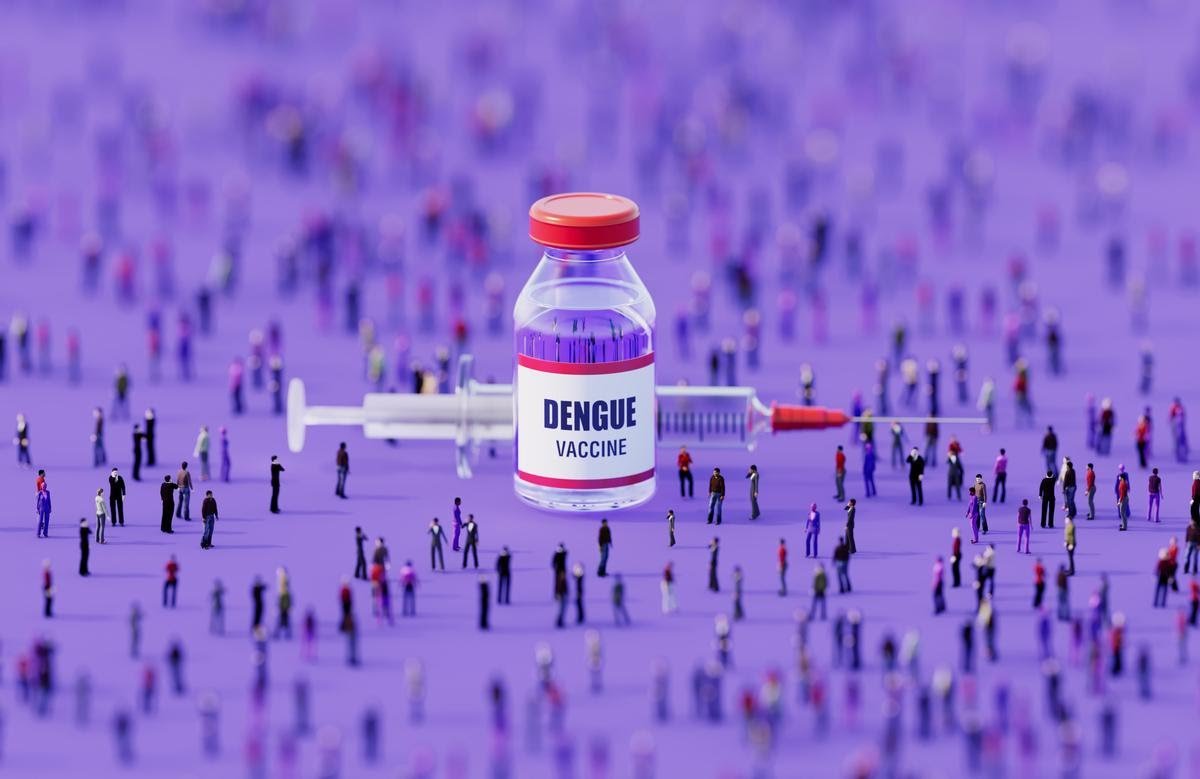
India has taken a significant step in public health with the arrival of its first dengue vaccine, Qdenga. For a country that faces seasonal dengue outbreaks affecting millions, this development could be a game-changer. However, experts have flagged a critical safety concern—particularly for children who have never been infected with dengue before.
Who: Indian health authorities and global researchers
What: Introduction of Qdenga dengue vaccine
When: Recently approved and introduced in India
Where: Across dengue-prone regions in India
Why: To reduce dengue infections and complications
How: Through vaccination targeting multiple dengue virus strains
While the vaccine offers hope, its use requires careful screening and understanding to avoid unintended risks.
Understanding Dengue: Why a Vaccine Is So Important
Dengue is a mosquito-borne viral infection caused by four closely related viruses:
- DENV-1
- DENV-2
- DENV-3
- DENV-4
Infection with one type provides lifelong immunity to that specific strain—but only temporary protection against others.
The Hidden Danger: Secondary Infection
A second dengue infection with a different strain can sometimes be more severe due to a phenomenon called antibody-dependent enhancement (ADE).
This is exactly where vaccine design becomes complex—and where Qdenga’s safety caveat becomes crucial.
What Is Qdenga and How Does It Work?
Qdenga is designed to provide protection against multiple dengue virus strains. It works by training the immune system to recognise and respond to dengue infections before they occur.
Key Features
- Targets multiple dengue serotypes
- Aims to reduce severe dengue cases
- Intended for use in endemic regions
However, its effectiveness—and safety—can vary depending on whether a person has had dengue before.
The Safety Caveat: Why Dengue-Naïve Children Are at Risk
The most critical concern raised by experts is this:
In children who have never had dengue, Qdenga may behave like a first infection.
This means the vaccine could:
- Simulate a primary dengue infection in the body
- Provide protection against some strains (DENV-1 and DENV-2)
- Leave gaps in protection against others (such as DENV-3)
The risk: If a vaccinated child later contracts a different dengue strain, the immune response could potentially increase disease severity.
Breaking It Down: Protection vs Risk
| Factor | Previously Infected Individuals | Dengue-Naïve Individuals |
|---|---|---|
| Immune response | Boosted protection | Simulated primary infection |
| Protection coverage | Broader | Partial (DENV-1, DENV-2) |
| Risk level | Lower | Potentially higher for severe dengue |
This distinction makes pre-vaccination screening extremely important.
Why This Challenge Exists: The Science Behind It
Dengue viruses are unique because immunity is serotype-specific. A vaccine must ideally protect against all four strains equally.
However:
- Immune responses can vary between individuals
- Some strains may trigger stronger protection than others
- Incomplete immunity can create vulnerability
This makes dengue one of the most complex diseases to vaccinate against.
Global Context: Lessons from Past Dengue Vaccines
The caution around Qdenga is not without precedent. Earlier dengue vaccines faced similar concerns, especially regarding use in individuals without prior infection.
Key Lessons Learned
- Vaccines must be carefully targeted
- Mass vaccination without screening can be risky
- Public trust depends on transparency
These lessons are shaping how Qdenga is being introduced in India.
Real-World Impact: What This Means for India
India reports millions of dengue cases annually, with children being particularly vulnerable.
Potential Benefits
- Reduction in hospitalisations
- Lower burden on healthcare systems
- Improved outbreak control
Potential Risks
- Misuse without proper screening
- Increased complications in certain groups
- Public confusion or vaccine hesitancy
The success of the vaccine will depend on how carefully it is implemented.
A Unique Insight: Why “One-Size-Fits-All” Vaccination Doesn’t Work Here
Unlike many vaccines, dengue vaccination requires a personalised approach.
This includes:
- Understanding prior infection history
- Targeting high-risk populations
- Using data-driven public health strategies
This could mark a shift toward more precision-based vaccination programmes in India.
What Should Individuals and Parents Know?
Before Vaccination
- Check if prior dengue infection has occurred
- Consult a qualified healthcare provider
After Vaccination
- Continue mosquito prevention measures
- Monitor for symptoms during dengue season
Vaccination is not a replacement for prevention—it’s an additional layer of protection.
Future Outlook: Can India Overcome the Dengue Challenge?
The introduction of Qdenga is a major milestone, but it is only one part of the solution.
What Needs to Happen Next
- Clear national vaccination guidelines
- Public awareness campaigns
- Improved diagnostic infrastructure
If implemented correctly, the vaccine could significantly reduce dengue’s impact—but missteps could slow progress.
Conclusion: A Promising Tool That Demands Careful Use
The arrival of India’s first dengue vaccine Qdenga is both exciting and complex. While it offers hope in the fight against a widespread disease, its safety caveat cannot be ignored.
The key takeaway:
- Qdenga can be highly beneficial—but not for everyone
- Proper screening and guidelines are essential
- Public awareness will determine its success
In the battle against dengue, this vaccine could be a powerful ally—but only if used with precision, caution, and informed decision-making.
For breaking news and live news updates, like us on Facebook or follow us on Twitter and Instagram. Read more on Latest Health on thefoxdaily.com.





COMMENTS 0