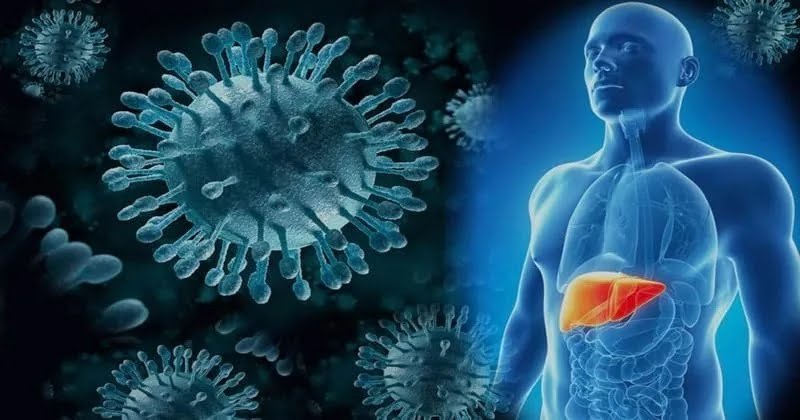
Viral hepatitis—often called a “silent epidemic”—has long posed a major public health challenge in India. With millions affected and many unaware of their infection, the disease quietly contributes to liver cirrhosis, cancer, and premature death. In response, the Government of India launched the National Viral Hepatitis Control Programme (NVHCP), aligning with the global goal of eliminating hepatitis as a public health threat by 2030.
But how effective is this programme? Who does it target? What strategies are being used? And can India realistically achieve elimination within the next few years?
Understanding the Burden: Why Hepatitis Elimination Matters
Hepatitis refers to inflammation of the liver, commonly caused by viral infections—primarily hepatitis A, B, C, D, and E. Among these, hepatitis B and C are the most concerning due to their chronic nature and long-term complications.
India carries a significant share of the global hepatitis burden:
- Millions live with chronic hepatitis B or C infections
- A large proportion remain undiagnosed
- Late diagnosis often leads to severe liver disease
The challenge is not just medical—it’s systemic. Limited awareness, stigma, and gaps in screening have historically delayed intervention.
What is the National Viral Hepatitis Control Programme (NVHCP)?
Launched in 2018 under the National Health Mission, the NVHCP is India’s comprehensive response to viral hepatitis. Its core aim is to reduce morbidity and mortality caused by hepatitis and move toward elimination by 2030.
The programme focuses on:
- Prevention
- Early diagnosis
- Free treatment
- Awareness and behavior change
Unlike earlier fragmented efforts, NVHCP adopts a integrated and nationwide approach.
Key Strategies Driving Progress
1. Free Screening and Diagnosis
One of the programme’s most impactful steps is expanding access to testing. Government health facilities now offer free screening for hepatitis B and C, especially for high-risk groups.
Early detection is critical because hepatitis often shows no symptoms until advanced stages.
2. Universal Access to Treatment
Treatment for hepatitis B and C can be expensive, but NVHCP ensures free antiviral therapy at designated centers. This reduces financial barriers and improves adherence.
3. Strengthening Vaccination
Hepatitis B vaccination is a cornerstone of prevention. The programme integrates vaccination into routine immunization, targeting newborns and vulnerable populations.
4. Infection Control Measures
- Safe injection practices
- Blood safety protocols
- Sterilization standards in healthcare settings
These measures reduce transmission in medical and community environments.
5. Awareness Campaigns
Public awareness remains a key pillar. Campaigns focus on:
- Educating people about transmission routes
- Reducing stigma
- Encouraging testing and vaccination
Comparison: Pre-NVHCP vs Post-NVHCP Approach
| Aspect | Before NVHCP | After NVHCP |
|---|---|---|
| Screening | Limited and inconsistent | Widespread and free |
| Treatment Access | Expensive, limited reach | Free and government-supported |
| Awareness | Low public knowledge | Structured campaigns |
| Policy Integration | Fragmented efforts | Unified national strategy |
| Data Monitoring | Weak tracking systems | Improved surveillance |
The Missing Insight: Why Awareness Is the Real Game-Changer
While infrastructure and funding are critical, the real breakthrough lies in behavioral change. Hepatitis is often asymptomatic, meaning people don’t seek testing unless informed.
This creates a paradox:
- People feel healthy → avoid testing
- Infection progresses silently → detected late
NVHCP’s emphasis on awareness helps break this cycle. When individuals understand the risks, they are more likely to seek early diagnosis.
Challenges on the Road to 2030
Despite significant progress, several challenges remain:
- Underdiagnosis: Many cases still go undetected
- Rural access gaps: Healthcare infrastructure varies across regions
- Stigma: Social barriers discourage testing
- Data limitations: Real-time tracking needs improvement
Addressing these issues will be crucial to achieving elimination targets.
Real-World Impact: What This Means for India
The success of NVHCP has far-reaching implications:
For Individuals
- Early diagnosis saves lives
- Reduced treatment costs
- Improved quality of life
For Public Health
- Lower disease burden
- Reduced liver cancer cases
- Stronger healthcare systems
For the Economy
- Higher workforce productivity
- Reduced long-term healthcare costs
Future Outlook: Can India Eliminate Hepatitis by 2030?
India’s approach is aligned with global strategies, and progress so far is promising. However, achieving elimination will depend on:
- Scaling up screening efforts
- Ensuring last-mile healthcare delivery
- Leveraging digital health tools for tracking
- Strengthening partnerships between government and private sectors
If these efforts continue at scale, India could become a global model for hepatitis elimination.
Practical Steps: What You Can Do
- Get tested: Especially if you belong to a high-risk group
- Vaccinate: Ensure hepatitis B vaccination
- Practice hygiene: Avoid unsafe injections and blood exposure
- Spread awareness: Educate family and community
Conclusion: A Public Health Mission with Global Significance
India’s National Viral Hepatitis Control Programme represents a bold and necessary step toward eliminating a silent but deadly disease. By combining prevention, free treatment, and widespread awareness, the programme is transforming how hepatitis is addressed at a national level.
The road to 2030 is challenging, but the direction is clear. With sustained commitment and collective action, hepatitis elimination is not just an aspiration—it is an achievable reality.
In the end, the success of this mission will depend not only on policies but also on participation. Because eliminating hepatitis is not just a government goal—it’s a shared responsibility.
For breaking news and live news updates, like us on Facebook or follow us on Twitter and Instagram. Read more on Latest Health on thefoxdaily.com.





COMMENTS 0