Primary Keyword: India hepatitis elimination 2030
LSI Keywords: National Viral Hepatitis Control Programme India, hepatitis B and C India strategy, liver disease prevention India, free hepatitis treatment India, hepatitis awareness campaigns India, healthcare access India hepatitis, WHO hepatitis elimination goals, Public Health India initiatives
Introduction: A Silent Epidemic Meets a National Mission
India has intensified its fight against hepatitis with a clear and ambitious goal: eliminate hepatitis as a public health threat by 2030. Through the National Viral Hepatitis Control Programme (NVHCP), the country is expanding access to prevention, diagnosis, and treatment.
Who: Government of India and public health systems
What: Nationwide effort to eliminate hepatitis
When: Target set for 2030
Where: Across urban and rural India
Why: To reduce liver disease, deaths, and long-term health burden
How: Integrated healthcare strategies, free services, and awareness campaigns
This initiative is not just about controlling a disease—it is about tackling one of the most underdiagnosed and misunderstood health threats in the country.
Understanding Hepatitis: Why It’s a Major Health Concern
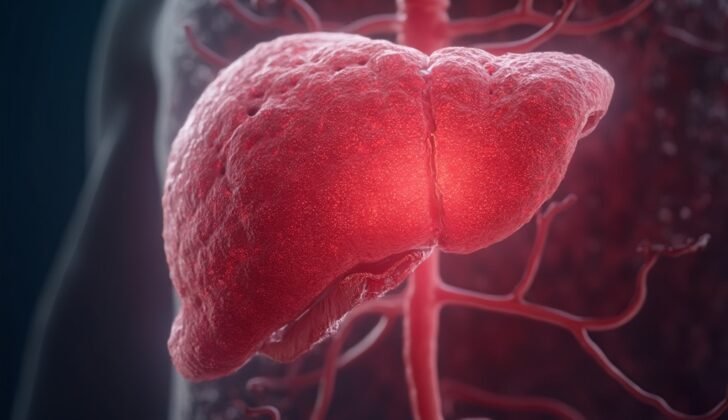
Hepatitis refers to inflammation of the liver, often caused by viral infections. There are five primary types: Hepatitis A, B, C, D, and E.
Most Dangerous Forms
- Hepatitis B: Can become chronic and lead to liver damage
- Hepatitis C: Often asymptomatic but a leading cause of liver cancer
These two types are responsible for the majority of serious complications, including:
- Cirrhosis (scarring of the liver)
- Liver failure
- Liver cancer
The biggest challenge? Many people live with hepatitis for years without knowing it.
The National Viral Hepatitis Control Programme: A System-Level Approach
Launched in 2018, the NVHCP represents India’s structured response to hepatitis. Unlike isolated interventions, it adopts a comprehensive health systems approach.
Core Objectives
- Reduce infection rates
- Ensure early diagnosis
- Provide accessible and affordable treatment
- Increase public awareness
The programme aligns with global health targets, particularly the 2030 Sustainable Development Goals.
Key Pillars of India’s Hepatitis Elimination Strategy
1. Prevention and Awareness
Public education campaigns aim to inform citizens about transmission, symptoms, and prevention.
- Safe hygiene practices
- Vaccination awareness (especially for Hepatitis B)
- Reducing stigma around testing
2. Free Screening and Diagnosis
One of the most impactful steps has been nationwide free screening for Hepatitis B and C.
- Early detection reduces long-term complications
- Community-level testing improves reach
3. Free Treatment Access
The government provides free medicines and diagnostics, making treatment accessible even to low-income populations.
4. Integration with Existing Health Systems
Rather than building parallel systems, hepatitis care has been integrated into:
- Primary healthcare centres
- District hospitals
- National health programmes
This ensures scalability and sustainability.
Decentralisation: Bringing Care Closer to People
A major shift in strategy is the move from centralised care to local-level healthcare delivery.
What This Means
- Services available at community health centres
- Reduced travel time and costs for patients
- Higher testing and treatment uptake
This approach is crucial in a country as geographically and economically diverse as India.
Smart Economics: Making Treatment Affordable
India’s strategy also stands out for its cost-efficiency.
| Strategy عنصر | Impact |
|---|---|
| Generic medicines | Significantly lower treatment costs |
| Local funding utilisation | Faster implementation at regional levels |
| Existing infrastructure use | Reduced need for new investments |
By leveraging affordable drugs and existing systems, India is ensuring that financial barriers do not prevent treatment.
Comparison: India vs Global Hepatitis Elimination Efforts
| Aspect | India’s Approach | Global Trends |
|---|---|---|
| Access to treatment | Free nationwide | Often insurance-based |
| Programme integration | Highly integrated | Varies by country |
| Drug costs | Low (generics) | Higher in many regions |
| Rural outreach | Expanding rapidly | Limited in some countries |
India’s model could serve as a blueprint for other developing nations.
The Challenges Ahead: What Could Slow Progress?
Despite strong efforts, several challenges remain:
1. Low Awareness
Many people still do not understand hepatitis or its risks.
2. Late Diagnosis
Symptoms often appear only in advanced stages.
3. Stigma and Misconceptions
Social stigma can discourage testing and treatment.
4. Healthcare Gaps
Some remote areas still face access limitations.
Addressing these issues will be critical to achieving the 2030 goal.
A Unique Insight: Hepatitis as a Development Issue, Not Just a Health Problem
One often overlooked aspect is how hepatitis impacts economic productivity and national development.
- Chronic illness reduces workforce participation
- Healthcare costs strain families
- Untreated cases increase long-term public health expenditure
Eliminating hepatitis is not just about saving lives—it’s about strengthening India’s economic future.
Real-World Impact: What This Means for Citizens
The programme is already transforming lives:
- Early detection is preventing severe liver disease
- Free treatment is reducing financial burden
- Local access is increasing healthcare equity
For millions, this means a chance at a healthier, longer life.
Prediction: Can India Achieve Hepatitis Elimination by 2030?
India’s progress so far is promising, but the next few years will be निर्णive.
Key Factors for Success
- Scaling up awareness campaigns
- Expanding rural healthcare access
- Strengthening data tracking and monitoring
If these areas are addressed effectively, India could become one of the first large nations to achieve this goal.
Conclusion: A Public Health Mission with National Impact
The India hepatitis elimination 2030 initiative represents one of the country’s most ambitious public health efforts.
By combining free healthcare access, systemic integration, and community outreach, India is building a model that balances scale with inclusivity.
The road ahead is challenging—but the direction is clear:
- Early detection over late treatment
- Prevention over cure
- Access for all, not just a few
If sustained, this mission could redefine how large nations tackle silent epidemics—and position India as a global leader in public health innovation.
For breaking news and live news updates, like us on Facebook or follow us on Twitter and Instagram. Read more on Latest Health on thefoxdaily.com.





COMMENTS 0