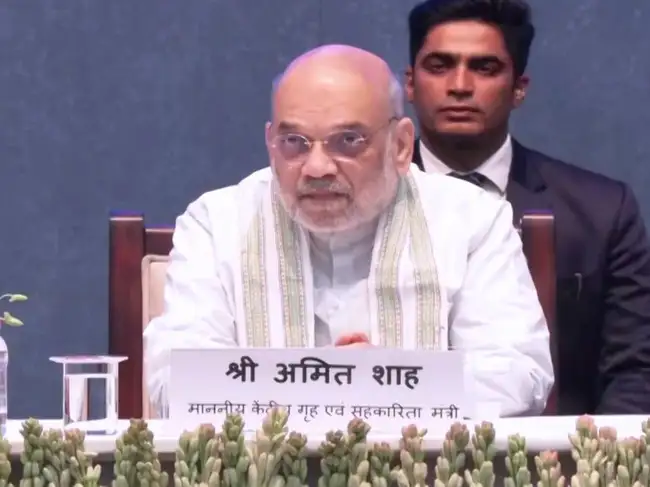
Union Home Minister Amit Shah has said that residents have returned to around 40 villages in Arunachal Pradesh along the China border following the Centre’s development initiatives in remote border regions. The announcement highlights the government’s efforts to address migration from strategically important frontier areas by improving basic facilities, infrastructure and economic opportunities through programmes such as the Vibrant Villages Programme.
Shah said the development push is intended to strengthen communities living in border regions while improving their quality of life. The government has also launched four development initiatives worth more than ₹5,610 crore to support this broader effort. Alongside infrastructure development, the Home Minister highlighted the importance of women’s participation in the cooperative movement as a way to strengthen local economies and empower communities.
The reported return of residents from approximately 40 villages is significant because population decline in remote border settlements can affect local livelihoods, access to services and the long-term development of frontier regions. The government’s approach seeks to make these villages more attractive places to live by improving connectivity and access to essential services rather than treating border areas only as locations of strategic importance.
Vibrant Villages Programme Aims to Reverse Migration From Border Areas
The Vibrant Villages Programme is a central part of the government’s strategy to develop settlements located near India’s international borders. It focuses on improving living conditions in remote villages through infrastructure, public services and livelihood opportunities.
Many settlements along the India-China Border face geographical and economic challenges. Difficult terrain, limited transport connectivity, fewer employment opportunities and restricted access to healthcare and education can make everyday life difficult for residents. These conditions have contributed to migration from some remote villages towards towns and other regions in search of better opportunities.
The development programme aims to address these problems by improving facilities that directly affect daily life. Better roads can connect villages with markets and administrative centres, while reliable access to electricity, telecommunications, education and healthcare can make remote settlements more sustainable.
The reported return of residents to around 40 villages in Arunachal Pradesh suggests that development measures are beginning to influence settlement patterns in some border areas. However, the long-term success of the initiative will depend on whether improvements are sustained and whether residents can access stable livelihoods and essential services throughout the year.
Why Population Retention Matters Along the China Border
Arunachal Pradesh shares a sensitive international boundary with China, making the development of its frontier settlements important from both economic and strategic perspectives. Villages in these areas are often located in difficult mountainous terrain, where infrastructure construction and public service delivery can be challenging.
When residents leave remote villages, local economic activity can decline. Agricultural land may remain underused, traditional livelihoods can weaken and community institutions may struggle to continue functioning. A shrinking population can also make it more difficult to maintain schools, healthcare facilities and other public services.
Keeping border villages populated is therefore connected to more than infrastructure spending. Residents who continue to live and work in these areas help sustain local economies, preserve community networks and maintain the social presence of settlements close to the international boundary.
For the government, encouraging people to remain in or return to these villages requires addressing the reasons behind migration. Improved roads and public facilities are important, but employment, education, healthcare and access to markets are equally necessary to make long-term settlement viable.
Four Development Initiatives Worth More Than ₹5,610 Crore
The Centre has launched four development initiatives with a combined value of more than ₹5,610 crore to support the broader development push, according to Shah’s announcement. The investment reflects the government’s focus on strengthening infrastructure and improving services in areas that have historically faced connectivity and accessibility challenges.
Large-scale development spending can help address some of the structural disadvantages faced by remote communities. Infrastructure improvements can reduce travel time, make it easier to transport agricultural produce and connect residents with education, healthcare and government services.
However, the effectiveness of such investments will depend on implementation and maintenance. In mountainous border regions, infrastructure projects can face difficult construction conditions, weather-related disruptions and high maintenance costs. Roads and public facilities need to remain functional after construction if they are to deliver lasting benefits.
The four initiatives are intended to support the government’s wider objective of improving conditions in frontier settlements. Their impact will ultimately be measured by the services residents receive, the livelihood opportunities created and the extent to which migration pressures are reduced.
Women’s Participation in Cooperatives Highlighted as a Development Priority
Shah also emphasised the importance of women’s participation in the cooperative movement, linking community empowerment with local economic development. Cooperatives can provide residents with a collective platform to organise economic activities, access markets and strengthen their bargaining position.
Women’s involvement in these institutions can help expand opportunities in agriculture, small businesses, local production and other community-based activities. Participation in cooperative organisations can also improve access to financial services, training and shared resources.
In remote villages, where formal employment opportunities may be limited, locally managed economic initiatives can play an important role in supporting household incomes. Women-led cooperatives can help communities develop products and services based on local resources while creating opportunities for greater financial independence.
For these initiatives to succeed, participation must be supported by practical measures such as access to credit, training, market connections and transparent management. Simply encouraging membership is not enough if women do not have meaningful roles in decision-making and control over economic activities.
The emphasis on women’s participation therefore connects the border development programme with a broader goal of making local communities more economically resilient.
Arunachal Pradesh’s Remote Villages Face Distinct Development Challenges
Arunachal Pradesh’s geography makes development particularly complex. Much of the state consists of mountainous terrain, scattered settlements and areas where road construction and public service delivery require substantial resources. Some villages are located far from major towns, making access to hospitals, schools, markets and administrative offices difficult.
Seasonal weather conditions can further complicate transport and construction. Heavy rainfall, landslides and difficult terrain can disrupt road connectivity, affecting the movement of people and goods. For residents, these challenges can influence decisions about education, employment and whether to remain in their villages.
Development programmes in such areas need to account for local conditions rather than rely on a uniform approach. Infrastructure must be suited to the terrain, while public services need to be accessible to communities spread across remote locations.
Better connectivity can also support tourism and local entrepreneurship. Arunachal Pradesh’s natural landscapes and cultural diversity offer opportunities for tourism-related businesses, provided that transport, accommodation and essential services are developed responsibly.
Development and National Security Are Closely Connected
The development of villages near the China border also carries strategic significance. In remote frontier regions, functioning communities and reliable infrastructure contribute to the broader resilience of the area.
Roads and communication networks improve civilian access to essential services while also strengthening administrative connectivity. Better infrastructure can help government agencies deliver public services more efficiently and respond to emergencies in difficult terrain.
However, the most sustainable approach to border development is one that places residents and their needs at the centre. Communities are more likely to remain in remote settlements when they have access to education, healthcare, reliable transport, employment and opportunities for their children.
The government’s focus on reversing migration through the Vibrant Villages Programme reflects an understanding that frontier development requires long-term investment in people as well as physical infrastructure.
Can the Vibrant Villages Programme Create Lasting Change?
The reported return of residents to around 40 villages is an encouraging development highlighted by the Home Minister, but reversing migration is a long-term challenge. A return to a village does not automatically guarantee that residents will remain there permanently. Continued access to jobs, public services and economic opportunities will be essential.
Monitoring population trends, maintaining infrastructure and ensuring that development projects reach individual households will be important measures of progress. Local communities also need to participate in decisions about which facilities and livelihood programmes are most urgently required.
Cooperatives and women’s economic participation could provide an additional foundation for sustainable development by helping residents generate income within their communities. When combined with better connectivity and essential services, such initiatives can make remote settlements more economically viable.
Shah’s announcement places Arunachal Pradesh’s border villages at the centre of the government’s development strategy. The return of residents to approximately 40 settlements, alongside four initiatives worth more than ₹5,610 crore, points to an effort to strengthen communities along the China border.
The lasting impact of this push will depend on whether development translates into better everyday living conditions. For residents of Arunachal Pradesh’s frontier villages, reliable roads, accessible healthcare, education, employment and opportunities for women will matter as much as the scale of government investment. Ensuring these improvements continue over time will be central to making border communities sustainable places to live.
For breaking news and live news updates, like us on Facebook or follow us on Twitter and Instagram. Read more on Latest India on thefoxdaily.com.






COMMENTS 0