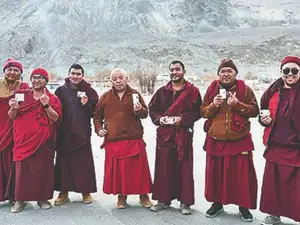
Ladakh Chief Secretary Ashish Kundra has urged residents to participate enthusiastically in the upcoming Ladakh Autonomous Hill Development Council (LAHDC) elections, emphasising the importance of public involvement in the democratic process. He also assured that discussions with representatives of Ladakh would resume after the elections and the Mela Lohsar celebrations, seeking to address concerns surrounding the region’s political and administrative future.
Kundra’s appeal comes amid disagreements over the election schedule and demands for additional assurances from the administration. While he rejected allegations of electoral misconduct and confirmed arrangements for voters living outside Ladakh, All Ladakh Buddhist Association (ABL) leader Cherring Dorjay Lakruk called for the elections to be deferred and sought stronger guarantees in writing.
The competing positions reflect the wider debate over electoral participation, political representation and the need for continued dialogue between Ladakh’s administration and local stakeholders. With the LAHDC elections approaching, the administration faces the challenge of ensuring a credible electoral process while addressing concerns raised by community representatives.
Ashish Kundra Appeals for Strong Public Participation in LAHDC Elections
Kundra has encouraged people across Ladakh to demonstrate the same enthusiasm in the LAHDC elections that they have shown during other important public and community activities. His appeal places emphasis on participation as an important part of the democratic process and the functioning of local self-governance institutions.
The LAHDC plays an important role in local administration and development planning in Ladakh. The councils provide an institutional platform through which elected representatives can raise public concerns and participate in decisions affecting their respective areas.
High voter participation can strengthen the representative character of these institutions by ensuring that a larger section of the population has a say in choosing its local leadership. It also gives elected representatives a broader public mandate when they engage with the administration on development priorities and regional concerns.
Kundra’s statement therefore seeks to encourage residents to take part in the electoral process rather than allow disagreements over political demands or administrative decisions to overshadow the importance of voting.
Administration Promises to Resume Talks After Elections and Mela Lohsar
One of the key assurances from the Chief Secretary concerned the continuation of discussions with Ladakh representatives. Kundra said the dialogue would recommence after the elections and the Mela Lohsar celebrations.
The assurance is significant because discussions between local representatives and the administration remain important for addressing concerns about Ladakh’s governance, development and political future. The timing of the proposed resumption also indicates that the administration wants the electoral process and the festival period to conclude before returning to formal engagement.
For local stakeholders, however, the continuation of dialogue will be important not only as a procedural commitment but also as an opportunity to seek clarity on issues affecting the region. Representatives are likely to expect meaningful engagement and responses to the concerns they have raised.
Resuming talks after the elections could help separate immediate electoral disagreements from longer-term discussions about regional demands. It would also provide an opportunity for the administration to engage with representatives in a structured manner after the public has elected its local council leadership.
Kundra Rejects Allegations of Electoral Misconduct
Kundra also rejected allegations of electoral misconduct surrounding the upcoming LAHDC elections. His response comes amid concerns raised by political and community representatives about the conduct and arrangements for the electoral process.
Questions about electoral fairness can influence public confidence, particularly in regions where political representation and administrative decisions are closely linked to wider demands for greater local participation. The administration’s rejection of the allegations is therefore an important part of its effort to reassure residents about the process.
Maintaining confidence will require transparent arrangements, clear communication and the effective handling of complaints. Voters and political groups need to be confident that the rules are being applied consistently and that eligible residents have a fair opportunity to participate.
While Kundra has rejected the allegations, the wider concerns raised by local representatives underline the importance of addressing questions about electoral procedures through established mechanisms rather than allowing uncertainty to persist.
Arrangements Confirmed for Voters Living Outside Ladakh
The Chief Secretary also confirmed that specific arrangements had been made for voters who are currently living outside Ladakh. This issue is important because people from the region may be residing in other parts of the country for education, employment, business or other personal reasons.
Ensuring that eligible voters can exercise their franchise is a key consideration in an election involving a geographically distinct region with a population spread across different locations. Clear arrangements can help reduce uncertainty and make it easier for voters to understand how they can participate.
However, the precise nature of the arrangements was not detailed in the available information. Voters living outside Ladakh would need to follow the applicable election procedures and official instructions to establish their eligibility and understand the process for casting their votes.
The administration’s confirmation of arrangements indicates that participation by eligible voters outside the region has been considered as part of the preparations for the elections.
Cherring Dorjay Lakruk Demands Postponement of LAHDC Elections
Not all representatives have supported proceeding with the elections on the existing schedule. ABL leader Cherring Dorjay Lakruk has demanded that the LAHDC elections be deferred, arguing for stronger assurances from the administration.
Lakruk has also sought additional guarantees in writing, indicating that verbal assurances may not be sufficient to address the concerns raised by the organisation. His position reflects a demand for formal commitments that can provide greater clarity about the administration’s intentions and the future course of engagement with Ladakh representatives.
The call for postponement introduces a disagreement over whether the electoral process should proceed as scheduled or be delayed until concerns are addressed. For those seeking a deferment, written assurances are important because they can establish a clearer record of commitments and provide a basis for holding the administration accountable.
The administration, meanwhile, has emphasised public participation and maintained that discussions will resume after the elections and Mela Lohsar celebrations. The difference between these positions highlights the challenge of balancing electoral timelines with demands for political dialogue.
Why the LAHDC Elections Matter for Ladakh
The Ladakh Autonomous Hill Development Councils are important institutions of local governance. They provide elected representation in matters relating to regional development and local administration, making their elections significant for communities across the Union Territory.
The councils are particularly relevant because Ladakh has distinct geographical, cultural and administrative characteristics. Its remote settlements, difficult terrain and varied local priorities require governance mechanisms that can take account of conditions at the community level.
Through elected representatives, residents can raise concerns involving infrastructure, public services, livelihoods and development priorities. The electoral process also gives people an opportunity to influence the composition of institutions responsible for representing local interests.
Public participation is therefore important not only for selecting representatives but also for strengthening the legitimacy of local governance. At the same time, confidence in the electoral process depends on transparency, accessible voting arrangements and the administration’s willingness to address legitimate concerns.
Dialogue and Electoral Participation Remain Key Issues
The statements from Kundra and Lakruk reflect two different approaches to the immediate political situation in Ladakh. The Chief Secretary has called for enthusiastic participation and promised that discussions with representatives will resume after the elections and Mela Lohsar. Lakruk, on the other hand, has demanded a postponement and written assurances before the process moves forward.
Both positions place attention on the relationship between electoral participation and wider political engagement. While elections provide an opportunity for residents to choose their representatives, dialogue remains necessary to address issues that extend beyond the functioning of the hill development councils.
The administration’s ability to maintain public confidence will depend on how effectively it communicates election arrangements, responds to concerns and follows through on its commitment to resume discussions. Written clarity on important assurances could also help reduce misunderstandings between officials and local organisations.
What Lies Ahead for the LAHDC Election Process?
The immediate focus remains on the upcoming LAHDC elections and the administration’s preparations to ensure voter participation, including arrangements for eligible people living outside Ladakh. Kundra’s appeal is aimed at encouraging residents to take part, while the demand for postponement from Lakruk highlights continuing concerns among some representatives.
The proposed resumption of talks after the elections and Mela Lohsar will be another important development to watch. Whether those discussions can address the outstanding concerns will influence the relationship between the administration and local stakeholders in the coming months.
For Ladakh, the challenge is to ensure that electoral participation and political dialogue strengthen rather than undermine each other. A transparent election, clear administrative commitments and sustained engagement with local representatives will be essential to maintaining confidence in the region’s democratic institutions.
For breaking news and live news updates, like us on Facebook or follow us on Twitter and Instagram. Read more on Latest India on thefoxdaily.com.






COMMENTS 0