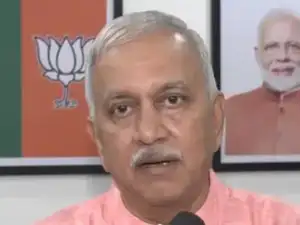
The Tamil Nadu BJP has questioned the state government’s claims about Rs 1,370 crore in expansion plans by South Korean companies, demanding greater transparency over the proposed investments, manufacturing capacity and employment opportunities. BJP spokesperson Narayanan Thirupathy argued that the announcements should not be presented as fresh investment achievements because they reportedly involve the expansion of companies already operating in the state.
Two South Korean Suppliers Have Proposed the Tamil Nadu Expansion
The Rs 1,370 crore proposal involves two automotive component manufacturers, Hwashin Automotive India and Seoyon E-Hwa Summit Automotive India, both suppliers to major automobile companies including Hyundai and Kia. Their proposed investments are intended to support manufacturing development and business expansion in Tamil Nadu over the next five years.
According to details reported from the state Industries Department, Hwashin has proposed an investment of approximately Rs 850 crore. The company operates a manufacturing facility at SIPCOT Irungattukottai, and its proposed spending is expected to cover research and development, advanced manufacturing technologies, localisation, capacity expansion and new business opportunities.
Seoyon E-Hwa Summit Automotive India has outlined a separate investment plan of Rs 520 crore. Its proposal focuses on technological upgrades, modernisation of manufacturing facilities and expansion into new business areas. The company has indicated that its investment programme will run between 2027 and 2031.
The companies communicated their investment intentions through letters dated November 11, 2026. The state government has received letters of intent, while memorandums of understanding are expected to be signed subsequently. This distinction is important because the announced amount represents proposed investment commitments rather than completed expenditure or operational expansion.
BJP Questions Whether the Expansion Plans Are Fresh Investments
Thirupathy’s criticism centres on the distinction between attracting new companies and encouraging businesses already operating in Tamil Nadu to expand. He argued that the proposed Rs 1,370 crore should be viewed as routine business expansion rather than a new investment achievement secured by the present government.
His argument is based partly on the existing presence of the two companies in Tamil Nadu. Hwashin has operated in the state for years, while Seoyon also has an established manufacturing presence. The BJP spokesperson maintains that the government should explain what portion of the proposed spending represents genuinely additional manufacturing capacity, new projects and employment.
The criticism raises questions about how investment announcements are presented. An existing manufacturer expanding its operations can bring fresh capital, technology and jobs to a state. However, such an expansion is different from attracting a new company that establishes its first manufacturing facility in the region.
Thirupathy wants the government to provide a clearer account of the investments and explain how much new economic activity Tamil Nadu can expect from the proposals. His demand also focuses on the employment benefits, particularly in comparison with manufacturing projects secured by neighbouring Andhra Pradesh.
Andhra Pradesh’s Rs 1,614 Crore Korean Investment Deal
The latest political dispute follows Andhra Pradesh’s announcement of investment agreements involving three South Korean automotive component manufacturers: Hwashin, Seoyon and Iwamet. The companies have signed agreements for proposed manufacturing facilities in the state, with a combined investment of approximately Rs 1,614 crore.
The projects are expected to generate around 1,418 jobs. The reported investment breakdown includes approximately Rs 850 crore from Hwashin, Rs 514 crore from Seoyon and Rs 250 crore from Iwamet.
Andhra Pradesh’s efforts to attract the companies included a July 2026 roundtable in Seoul led by state IT Minister Nara Lokesh, followed by engagement through the Andhra Pradesh Economic Development Board. The projects are intended to strengthen the automotive component manufacturing ecosystem around the Kia facility in the region.
Thirupathy previously criticised the Tamil Nadu government over the agreements, arguing that the companies had held discussions with Tamil Nadu before choosing Andhra Pradesh for the proposed facilities. He said the state failed to convert those discussions into investment commitments and associated employment opportunities.
He also pointed out that Hwashin and Seoyon already had operations in Tamil Nadu, while Iwamet had a registered presence in the state. According to his criticism, the companies’ existing links with Tamil Nadu made the outcome particularly important for the state’s industrial investment strategy.
Tamil Nadu Government Had Earlier Defended Its Investment Record
The Tamil Nadu Industries Department had previously rejected the suggestion that the Andhra Pradesh agreements represented investments lost by the state. An official said the three companies’ decisions should be understood in the context of automotive supply chains, where component manufacturers often establish facilities close to major vehicle manufacturers.
The department explained that the proposed Andhra Pradesh facilities were linked to the expansion of an automotive manufacturing base in the region. It acknowledged that Tamil Nadu had held discussions with the companies and attempted to persuade them to invest in the state, but said the businesses already had strong reasons to locate near their principal customer.
The government also argued that it was unrealistic to expect Tamil Nadu to secure every investment announced in India. Its position was that states compete for industrial projects, and companies ultimately make decisions based on their supply-chain requirements and business priorities.
This response provides an important part of the debate. While the BJP has questioned the government’s ability to retain and attract manufacturing investment, the Industries Department has maintained that the Andhra Pradesh projects were not previously secured investments that Tamil Nadu could automatically claim.
What the Rs 1,370 Crore Proposal Includes
The latest proposals from Hwashin and Seoyon represent a separate development from the three-company investment agreements announced in Andhra Pradesh. The two Tamil Nadu proposals focus on expanding existing operations and upgrading manufacturing capabilities.
Hwashin’s proposed Rs 850 crore investment is expected to cover several areas:
- Research and development activities.
- Advanced manufacturing technologies.
- Localisation of automotive component production.
- Expansion of existing manufacturing capacity.
- Development of new business opportunities.
Seoyon’s proposed Rs 520 crore investment is focused on technological upgrades, modernisation of manufacturing facilities and expansion into new business areas. Its investment programme is planned for the 2027–2031 period.
These proposals could help the companies improve their production capabilities and strengthen their positions in the automotive supply chain. However, the actual economic impact will depend on how much of the proposed investment is implemented, what additional capacity is created and how many new jobs are generated.
Why Investment Transparency Matters for Tamil Nadu
Tamil Nadu has a well-established automobile and auto-component manufacturing ecosystem, with industrial activity concentrated around Chennai, Sriperumbudur, Hosur and Coimbatore. The presence of major vehicle manufacturers and component suppliers has helped the state develop a network of businesses supporting domestic and international automobile production.
Maintaining this ecosystem requires more than attracting large investment announcements. Governments must also demonstrate that companies are expanding production, creating employment, introducing new technologies and strengthening local supplier networks.
This is why the distinction between fresh investments and existing-company expansions has become politically important. Both can contribute to economic growth, but they should be reported clearly so that the public can understand what has actually been achieved.
For example, an investment announcement may include research and development spending, modernisation of existing facilities or the creation of additional production lines. These activities can have different implications for employment and manufacturing output. Without detailed project information, it is difficult to assess the scale of the benefits.
Publishing clear details about investment timelines, proposed facilities, employment targets and implementation progress would help establish a more transparent picture of Tamil Nadu’s industrial performance.
Investment Commitments Still Need to Translate into Jobs
Another important issue in the debate is employment generation. The Andhra Pradesh projects have been associated with an estimated 1,418 jobs, while the available announcement about the Rs 1,370 crore Tamil Nadu proposals does not provide a comparable consolidated employment figure.
This makes a direct comparison difficult. The total investment value alone does not reveal how many jobs will be created, whether the positions will be permanent or how much additional manufacturing capacity will become operational.
For Tamil Nadu, the government will need to explain the employment potential of the Hwashin and Seoyon proposals. Details about recruitment, local workforce participation, production capacity and implementation schedules would help assess the benefits for workers and the wider industrial economy.
It is also important to distinguish between proposed investment, signed agreements, actual capital expenditure and completed projects. A letter of intent indicates a company’s intention to invest, but it is not the same as a completed factory or money already spent. The proposed Tamil Nadu investments will need to move through the relevant stages before their full economic contribution can be measured.
What Happens Next in the Tamil Nadu Investment Debate?
The immediate next step for the Rs 1,370 crore proposals is the expected signing of memorandums of understanding between the companies and the state government. The details of those agreements should provide greater clarity about the investment schedule and the activities planned by each manufacturer.
The BJP’s demand for transparency places pressure on the government to explain how the latest announcements should be evaluated alongside the projects that went to Andhra Pradesh. The government, meanwhile, has presented the Hwashin and Seoyon proposals as evidence that established international manufacturers continue to see opportunities in Tamil Nadu.
Both developments can be true at the same time: Tamil Nadu can continue attracting expansion commitments from existing manufacturers while Andhra Pradesh secures separate projects from companies in the same automotive supply chain. The central question is how effectively each state converts investment proposals into operational facilities, additional production and employment.
For now, the Rs 1,370 crore announcement remains a proposed expansion plan, while the BJP’s criticism reflects its political assessment of the state’s investment performance. Clear project-level disclosures, confirmed employment targets and regular implementation updates will be necessary to establish the actual contribution of these investments to Tamil Nadu’s economy.
For breaking news and live news updates, like us on Facebook or follow us on Twitter and Instagram. Read more on Latest India on thefoxdaily.com.






COMMENTS 0