India has criticised reports of Chinese livestreamers filming in low-income neighbourhoods of Dhaka and allegedly presenting the footage as scenes from New Delhi. The Ministry of External Affairs (MEA) described the reported activity as an attempt to spread false narratives, warning that deliberately misrepresenting another country’s conditions undermines the credibility of those involved.
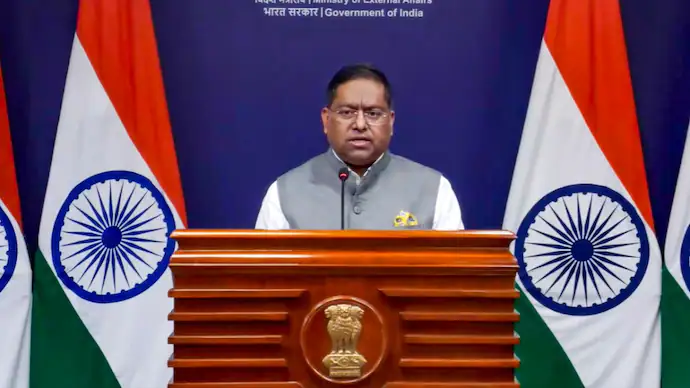
MEA spokesperson Randhir Jaiswal addressed the controversy during his media briefing on November 10, 2026, after reports emerged that Chinese content creators had been broadcasting from parts of the Bangladeshi capital while identifying the locations as areas of Delhi. Some livestreams reportedly included disparaging comments about local residents and their living conditions.
India has urged the authorities concerned to take action against those responsible. The controversy has raised questions about misleading online content, the portrayal of poverty in South Asia and the use of foreign locations to create narratives about another country.
MEA Criticises Attempts to Portray Dhaka as Delhi
Responding to a question about Chinese vloggers reportedly livestreaming from slum areas in Dhaka, Jaiswal said India had taken note of the media reports and considered such misrepresentation unfortunate.
“We have seen media reports in this regard. Such efforts to present a distorted picture of any country are unfortunate. Insofar as efforts to buy foreign elements to portray Dhaka as Delhi are concerned, the peddling of false narratives only undermines the credibility of those who are undertaking such actions and those who are behind them. And I would urge the authorities concerned to take action against such people,” Jaiswal said.
His remarks reflect India’s objection to footage from Bangladesh allegedly being used to create an inaccurate impression of New Delhi. The spokesperson also questioned the credibility of both the individuals producing the content and those who may be supporting the activity.
However, the MEA did not announce any specific action against the vloggers or identify the individuals allegedly funding or organising the livestreams. Its statement focused on the reported misrepresentation and called on the relevant authorities to respond.
Chinese Livestreamers Reportedly Filmed in Dhaka Neighbourhoods
The controversy centres on footage reportedly recorded in parts of Dhaka, including Sector 12 of Uttara and the Tekpara neighbourhood. According to an investigation by Bangladeshi newspaper Prothom Alo, Chinese nationals were livestreaming from these locations on Chinese Social Media platforms while identifying the areas as parts of New Delhi.
One streamer, identified as Mianmian and described in the report as being from China’s Sichuan province, was reportedly seen broadcasting beside a canal in Uttara on November 1. During the livestream, she allegedly presented the location as part of India’s capital and made negative remarks about the homes and surrounding conditions.
Another streamer, identified as Wang Wei, was reportedly seen recording near tea stalls in Tekpara. His commentary allegedly included a claim that tea consumed by local residents was prepared using cow urine.
These reports have attracted attention because the controversy is not simply about filming poverty or showing disadvantaged neighbourhoods. The central concern is that footage from Bangladesh was allegedly being presented as if it had been recorded in India, potentially misleading viewers about the location and conditions shown in the videos.
If viewers are unaware that the footage comes from Dhaka, they could incorrectly associate the scenes and accompanying commentary with Delhi. This makes accurate location identification particularly important when content is distributed to large online audiences.
What Did the Chinese Vloggers Allegedly Show in Their Videos?
Reports about the livestreams describe a recurring focus on densely populated neighbourhoods, modest homes, canals and local tea stalls. The content reportedly highlighted difficult living conditions and used commentary that portrayed the areas negatively.
Some videos allegedly included descriptions of the neighbourhoods as poor, dirty or slum-like. When such footage is presented without accurate geographical information, viewers may form an incorrect understanding of the place being shown.
The reported comments about local food and tea have also drawn attention. In Wang Wei’s case, the allegation about tea being made with cow urine was particularly disparaging. The supplied reports do not establish any factual basis for that claim.
The controversy therefore involves two separate concerns: the reported misidentification of Bangladeshi locations as Indian areas and the potentially offensive descriptions of the people and communities being filmed.
Reports Suggest the Filming Activity Has Continued for Months
The controversy may extend beyond the livestreams that recently attracted attention. Reports indicate that Chinese vloggers had been recording in low-income areas of Dhaka for several months.
The Business Standard reported in May that Chinese content creators had been filming in densely populated parts of the city, particularly Tekpara. Some were reportedly using iPhones fitted with cooling fans, equipment that can help devices manage heat during prolonged recording sessions.
The publication also examined videos available on Chinese platforms, including Bilibili and Youku. Several reportedly followed a similar format, focusing heavily on poverty and using terms such as “poor”, “dirty” and “slum” in their titles.
Some videos appeared to portray the vloggers as helping people facing difficult circumstances. That presentation has added another dimension to questions about the purpose of the content, particularly where the filming also involves negative commentary or disputed location descriptions.
The reports suggest that the activity may have been repeated across different locations and livestreams rather than being an isolated incident. However, the precise scale of the operation and the number of people involved remain unclear from the available information.
Why Are Chinese Vloggers Filming Poverty in Dhaka?
The exact purpose behind the livestreams has not been established. One Chinese national identified as Fangyou reportedly told Prothom Alo that the broadcasts were connected to product-promotion activities.
However, that explanation did not clarify why impoverished neighbourhoods in Dhaka were selected or why some livestreamers allegedly presented the locations as parts of India. The available reports also do not establish whether all the content creators involved were working under a common organisation or following the same instructions.
Product promotion could explain why some creators were conducting livestreams, but it does not independently explain the reported misrepresentation of locations. Questions about who commissioned the content, how it was distributed and whether financial incentives were involved remain unanswered.
India’s MEA referred to efforts to use foreign elements to portray Dhaka as Delhi, but did not publicly provide further details about the people or organisations allegedly behind the activity.
Residents Raise Concerns About Filming Without Permission
Another issue highlighted in Bangladeshi media reports concerns the treatment of residents during filming. Some reports alleged that vloggers entered private spaces without permission while recording their content.
Residents reportedly claimed that filming had taken place inside homes and other areas without their consent. If established, such incidents would raise concerns about privacy and the rights of people whose daily lives are being broadcast to online audiences.
Filming in public spaces and recording inside private homes involve different expectations of privacy. People living in low-income neighbourhoods should not automatically be treated as subjects of public content simply because their surroundings attract the attention of foreign creators.
The available reports contain allegations from residents, but they do not provide a complete account of every filming incident or establish the circumstances in each case. The concerns nevertheless add to the questions surrounding how the livestreams were produced.
Why Misrepresenting Dhaka as Delhi Is Significant
Misidentifying a location in online content can have consequences beyond the immediate video. When footage is shared across social media platforms, viewers may not have access to the original context or may encounter clips that have been separated from their initial descriptions.
If a video recorded in Bangladesh is presented as footage from India, the audience could develop an inaccurate impression of the Indian capital. Negative commentary accompanying the footage could further reinforce that misunderstanding.
The issue is particularly sensitive when the content involves poverty, sanitation or living conditions. Such subjects can easily become misleading when footage is taken out of context, geographical details are concealed or claims are made without evidence.
There is also a distinction between documenting poverty and deliberately misrepresenting where it exists. Journalists, documentary makers and content creators can examine difficult living conditions in any country, but accurate identification and responsible reporting are essential to maintaining credibility.
India’s Response and the Wider Questions Over Online Content
Jaiswal’s statement represents India’s public response to the reports and places responsibility on the authorities concerned to examine the alleged activity. His remarks also draw attention to the role of people who may be producing, financing or supporting misleading online narratives.
However, the MEA has not announced a formal investigation or detailed enforcement measures in the supplied statement. It has urged the relevant authorities to take action against those involved.
The controversy also highlights the challenges governments face when misleading content is produced in one country and distributed through digital platforms to audiences elsewhere. Establishing where footage was recorded, identifying the people responsible and determining whether the content was deliberately misrepresented can require cooperation across jurisdictions.
For now, the reports have raised questions about the activities of Chinese livestreamers in Dhaka, while India’s government has publicly criticised the alleged attempt to present Bangladeshi neighbourhoods as parts of Delhi.
What Happens Next?
The next developments will depend on whether the relevant Bangladeshi authorities examine the reported filming activities and whether the individuals involved provide further explanations. Questions about the purpose of the livestreams, the alleged misidentification of locations and complaints about filming without consent remain unresolved.
India has made its position clear through the MEA: presenting footage from Dhaka as scenes from Delhi is an example of the kind of distorted portrayal that can undermine the credibility of those involved.
As online livestreaming continues to reach audiences across national borders, the controversy underlines the importance of verifying locations, respecting residents’ privacy and distinguishing documented conditions from misleading claims. The central issue is not whether poverty can be shown, but whether the footage is presented honestly and the people being filmed are treated responsibly.
For breaking news and live news updates, like us on Facebook or follow us on Twitter and Instagram. Read more on Latest India on thefoxdaily.com.





COMMENTS 0