More than 100,000 teenagers in the UK could face difficulties accessing Social Media under a proposed ban on under-16s if they lack the identification documents needed to verify their age. The warning comes from Ofcom, the UK’s communications regulator, which estimates that approximately 150,000 people aged 16 to 17 do not have a passport or driving licence.
The proposed restrictions, modelled on Australia’s approach to children’s social media use, are expected to take effect next spring. The measures could affect access to platforms including Instagram, TikTok and YouTube, although the UK government has not yet confirmed the complete list of services that will fall under the rules.
Ofcom has identified several methods that platforms could use to verify users’ ages. However, the regulator warned that people without photographic identification may need to obtain an official document to access age-restricted services, potentially creating difficulties for older teenagers who are legally above the proposed age limit.
Why Teenagers Without Passports or Driving Licences Could Be Affected
Ofcom’s assessment found that around 150,000 British teenagers aged 16 to 17 do not possess a passport or driving licence. These documents are widely used to establish identity and age, and they could become important when social media platforms introduce stricter verification requirements.
Although the proposed ban would apply to children under 16, some older teenagers could also experience access problems if platforms require official identification to confirm that users meet the minimum age requirement.
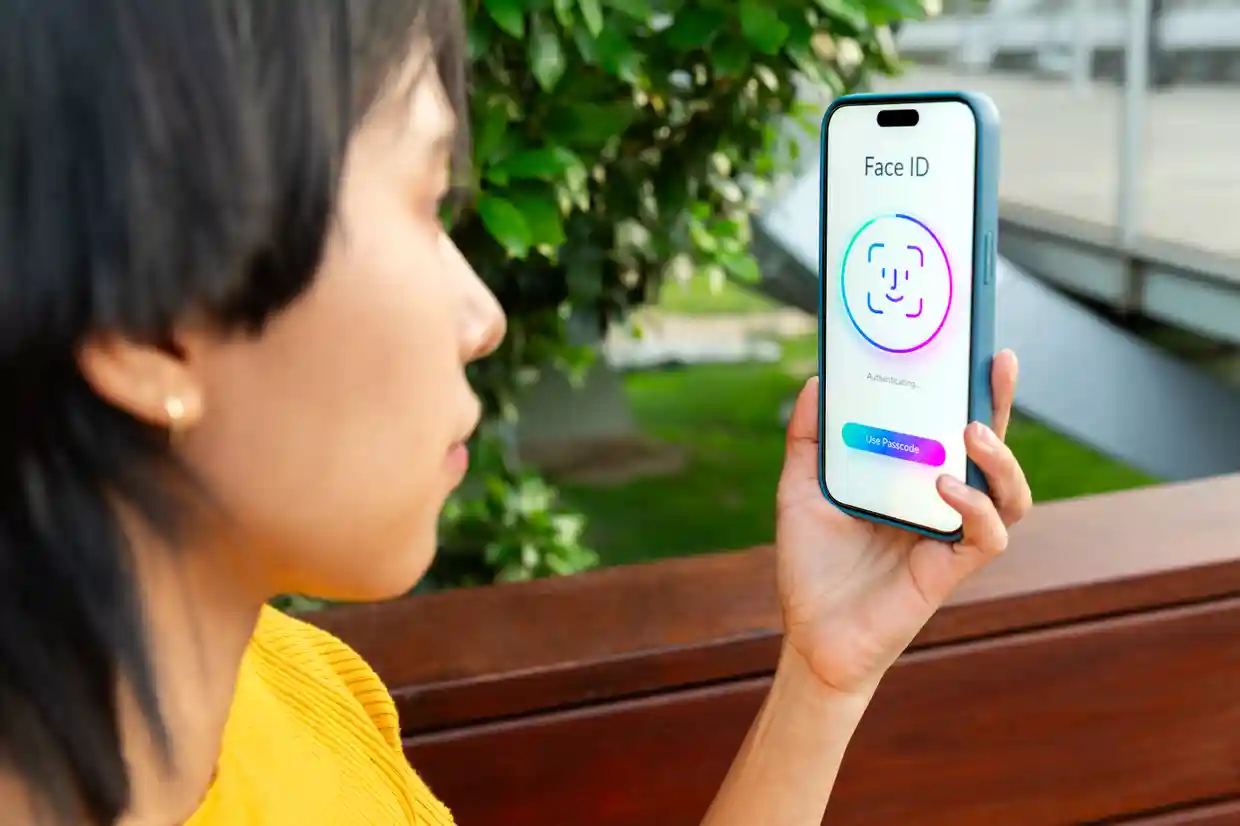
The regulator said a form of official identification would probably be needed as a backup for other age-verification methods, including facial age estimation. This could affect teenagers who are old enough to use the services but cannot easily provide the documents required by a platform.
“This means that people without a form of photo ID will likely need to take steps to obtain one to access age-restricted services,” Ofcom said.
According to the regulator, more than nine out of 10 people in Britain aged over 16 have a passport or driving licence. However, the remaining group includes teenagers who may need to obtain alternative identification if the proposed verification system requires it.
Four Age-Verification Methods Identified by Ofcom
Ofcom has outlined four methods it considers highly effective for determining whether a person meets an age requirement. The assessment is intended to inform how platforms could enforce the proposed restrictions and prevent underage users from accessing services covered by the ban.
| Age-Verification Method | How It Works | Potential Concern |
|---|---|---|
| Official ID and live selfie | A user submits an official identity document and a live selfie for comparison. | People without acceptable photographic identification may face difficulties. |
| Bank-based age verification | A bank verifies the age of an account holder. | Access depends on whether a user can use a supported verification service. |
| Official digital ID service | A recognised digital identity service, such as Scotland’s Young Scot card system where applicable, may help establish age. | Availability and acceptance may depend on the service and platform requirements. |
| Facial age estimation | A system estimates a person’s age from a selfie. | The estimate may be inaccurate by several years, according to Ofcom. |
These methods offer different ways to establish a user’s age, but none automatically guarantees that every eligible teenager will be able to access a platform without difficulty.
Ofcom has particularly highlighted the potential limitations of facial age estimation. If a system cannot confidently establish that someone is old enough, the platform may require additional evidence, potentially including an official identity document.
Facial Age Estimation Could Create Additional Problems
Facial age estimation has become a widely used option for age checks on online services. In the UK, it has been used as part of measures requiring age verification for access to pornographic websites, which have faced stricter age-checking requirements since last year, according to the supplied report.
The technology estimates a person’s age by analysing facial features in an image or selfie. Unlike checking an official document, it does not directly confirm a person’s date of birth. Its results can therefore differ from a user’s actual age.
Ofcom warned that facial age estimation could be inaccurate by several years. This margin of error may be particularly important for teenagers close to the proposed minimum age for social media access.
A teenager who is legally old enough to use a service could be incorrectly assessed as younger. If the platform then requires additional verification, someone without a passport or driving licence could face a further obstacle.
The regulator’s assessment suggests that official identification may remain necessary as a fallback even when platforms use alternative verification methods. The final approach will depend on the government’s regulations and the guidance Ofcom issues after its consultation.
Which Social Media Platforms Could Be Covered by the Ban?
The UK government has not yet confirmed the complete list of social media platforms that would be affected by the proposed restrictions. However, the measures are expected to cover services similar to those included in Australia’s under-16 social media ban.
The platforms identified in the supplied report are:
- Kick
- Snapchat
- Threads
- TikTok
- Twitch
- X
- YouTube
The final list will depend on the UK’s regulatory decisions. The government’s approach is expected to determine which services must introduce age checks and what responsibilities platforms will have when restricting access for under-16s.
For teenagers, the consequences could extend beyond one application. If multiple major platforms are covered, users who cannot complete the required age verification could face restrictions across several social media services.
Ofcom Chief Warns That Children May Try to Bypass Restrictions
Ofcom chief executive Dame Melanie Dawes has warned that some children will attempt to bypass the restrictions, drawing a comparison with the difficulties of enforcing other age-based laws.
“We should expect that motivated children will seek to bypass the restrictions – just like alcohol laws can’t completely eradicate underage drinking – but there’ll be ways for platforms to mitigate this risk,” Dawes said.
She also described the proposed ban as a “huge cultural shift” for the UK, adding that society would need time to adjust and that different groups would have a role in its implementation.
Her comments highlight two challenges facing regulators: preventing underage access while ensuring that age-verification systems do not unnecessarily exclude people who meet the legal age requirement.
Platforms could introduce verification measures to make it more difficult for children to bypass restrictions. However, the effectiveness of those systems will depend on their design, the information available to them and how consistently the rules are enforced.
What Australia’s Social Media Ban Reveals
Australia’s experience has become an important reference point for the UK’s proposed restrictions. The Australian ban on social media access for under-16s came into force in December last year, but reports suggest that some children have continued using social media despite the restrictions.
In March, Australia’s eSafety commissioner said a “substantial proportion” of children under 16 had circumvented the ban.
A survey of 900 Australian parents found that around one-third reported that their children still had one or more social media accounts after the restrictions were introduced. Before the law took effect, the corresponding figure was 49%, according to the supplied report.
The findings suggest that restrictions may reduce the number of children using social media without eliminating underage access entirely. They also illustrate the difficulty of enforcing age limits when children are motivated to find ways around them.
However, the survey results do not establish that the UK proposal will produce identical outcomes. Differences in enforcement, platform policies and verification systems could affect how the restrictions work in Britain.
When Will the UK Social Media Ban Take Effect?
The proposed UK ban is expected to come into force next spring, while the government is expected to introduce regulations confirming the restrictions by the end of the year, according to the supplied report.
Ofcom has also opened a consultation on age-verification methods. The consultation is intended to help determine which measures should be used to establish users’ ages and how platforms should implement them.
The final rules will be important for teenagers who do not have a passport or driving licence. The regulator’s assessment indicates that some users may need to obtain official identification if alternative methods cannot reliably verify their ages.
Until the government confirms the regulations and Ofcom issues its guidance, important details remain unresolved. These include the final list of affected platforms, the verification methods platforms will be expected to use and how users without conventional identification will be treated.
Privacy and Access Concerns Surround Age Verification
Age verification is intended to prevent children from accessing services restricted by age, but its implementation can create practical questions for users. Different systems require different forms of information, ranging from identity documents to facial images or confirmation through a financial institution.
The proposed approach therefore raises questions about accessibility and the handling of personal information. Teenagers who lack standard identification could face additional administrative steps, while users relying on facial age estimation could encounter inaccurate results.
The extent of these problems will depend on the final rules and the options available to users who cannot complete an initial age check. Ofcom’s assessment highlights the possibility that some eligible teenagers could be affected even though the ban is intended to restrict access for those under 16.
What the Proposed Ban Means for British Teenagers
The UK’s proposed under-16 social media ban could significantly change how children access major online platforms. While the policy is intended to restrict younger users, Ofcom’s estimate that around 150,000 teenagers aged 16 to 17 lack a passport or driving licence raises concerns about how age verification will work for older users.
The regulator has identified four highly effective verification methods but warned that official identification may still be necessary when other approaches cannot establish a user’s age reliably. This could create additional hurdles for teenagers who do not possess conventional photographic ID.
Australia’s experience also suggests that age restrictions may not completely prevent underage users from accessing social media. Ofcom has acknowledged that some children will try to bypass the rules, leaving platforms and regulators to balance enforcement with practical access requirements.
The final impact will depend on the government’s regulations, Ofcom’s guidance and the systems adopted by individual platforms. Until those details are confirmed, the number of teenagers who may face access problems and the extent of those restrictions remain uncertain.
For breaking news and live news updates, like us on Facebook or follow us on Twitter and Instagram. Read more on Latest Technology on thefoxdaily.com.






COMMENTS 0