Delhi’s worsening Air Quality is creating serious health concerns, with doctors reporting respiratory symptoms among people who were previously considered healthy. Persistent throat irritation, coughing, breathing discomfort and wheezing are being reported by residents across age groups as the national capital struggles with another severe pollution episode.
Medical experts from the All India Institute of Medical Sciences (AIIMS) and Apollo Hospitals have warned that the health impact is no longer limited to children, older adults or people with existing lung and heart conditions. Young people between 20 and 50 years of age are also experiencing symptoms after exposure to heavily polluted air.
The warning comes after Diwali celebrations added firecracker emissions to an already polluted atmosphere. Despite restrictions on conventional fireworks and the limited permission for certified green crackers, air quality deteriorated across several parts of Delhi-NCR.
Doctors say the combination of fine particulate matter, gases and other airborne pollutants can irritate the respiratory system. Continuous exposure may aggravate existing illnesses and trigger symptoms in people who have no previous history of respiratory problems.
AIIMS Doctor Warns That Even Healthy People Are Experiencing Persistent Symptoms
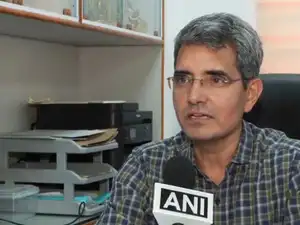
Dr Vijay Hadda, Professor in the Department of Pulmonary Medicine and Sleep Disorders at AIIMS, has highlighted the health consequences of Delhi’s deteriorating air quality. He said even otherwise healthy colleagues and patients were reporting persistent throat irritation.
According to Hadda, some people have described a sensation of something being stuck in their throat, with irritation that does not disappear easily. He also pointed to patients returning to hospital outpatient departments with continuing complaints.
These observations are significant because air pollution is often associated primarily with people who already have asthma, chronic obstructive pulmonary disease (COPD) or cardiovascular conditions. However, exposure to high concentrations of pollutants can affect the airways of people without diagnosed respiratory illnesses as well.
Hadda also raised concerns about the scale of pollution exposure in the capital. He described the air quality situation as increasingly difficult for residents and questioned how people could continue breathing polluted air throughout the day without experiencing health consequences.
His warning highlights the difference between having no diagnosed illness and being unaffected by pollution. A person who has never experienced asthma or breathing difficulties can still develop irritation, coughing or respiratory discomfort when exposed to sufficiently high levels of airborne pollutants.
Apollo Doctor Says Young Adults Aged 20–50 Are Also Reporting Symptoms
Dr S Chatterjee, Senior Consultant in the Department of Internal Medicine at Apollo Hospitals, said doctors were receiving complaints from people without any known underlying health conditions.
He specifically highlighted symptoms among individuals in the 20–50 age group. This is concerning because younger adults are often assumed to be less vulnerable to severe air pollution than children, senior citizens and people with chronic illnesses.
Chatterjee said some otherwise healthy individuals were contacting doctors to report discomfort, while others were visiting hospitals for treatment. He warned that symptoms could begin appearing within four to six hours of exposure to extremely polluted air.
These symptoms may not disappear immediately when exposure decreases. Continued exposure can prolong respiratory irritation, while people with existing conditions may experience a worsening of their usual symptoms.
The doctor advised residents to avoid unnecessary outdoor activities during periods of very poor air quality. Shopping trips, outdoor exercise and other activities that involve spending extended periods outside can increase the amount of polluted air a person inhales.
Medical experts are particularly concerned about the possibility of increased hospital visits if severe pollution continues over the coming days.
Green Crackers Reduce Some Emissions but Are Not Harmless
Firecracker emissions have added another source of pollution to Delhi’s already difficult air quality situation. Although certified green crackers are designed to reduce certain emissions compared with conventional fireworks, doctors warn that they should not be treated as pollution-free.
Dr Vijay Hadda said green crackers reduce emissions by approximately 30 per cent, while around 70 per cent of gases and particulate matter emissions remain comparable to those associated with conventional firecrackers.
The distinction is important because the term green cracker can create the impression that these products are safe for people and the environment. In reality, reduced emissions do not mean the complete elimination of harmful particles and gases.
Fireworks release particulate matter and chemical compounds into the atmosphere. These pollutants can contribute to short-term spikes in air pollution, particularly when large numbers of fireworks are used over a limited period.
Fine particulate matter is especially concerning because very small particles can travel deep into the respiratory system. Depending on their size and composition, some particles can reach the deepest regions of the lungs and contribute to inflammation.
Even when firecracker emissions are lower than those from conventional products, they add to pollution already produced by vehicles, industries, construction activity and other sources.
For people with asthma, heart disease or other chronic conditions, additional pollution can increase the risk of symptoms and complications. Children, older adults and pregnant women may also face greater health risks during severe pollution episodes.
Delhi’s Air Quality Deteriorates Further After Diwali
Delhi’s pollution problem did not begin with Diwali. The city had already experienced poor air quality in the days leading up to the festival, with seasonal weather conditions contributing to the accumulation of pollutants.
On Monday, November 9, air quality readings indicated a further deterioration following the celebrations. Delhi’s average Air Quality Index (AQI) was reported at around 370 at 9 am, placing it in the very poor category, while readings in several neighbourhoods crossed 400 and entered the severe category.
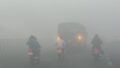
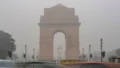
These readings illustrate the difficult conditions residents faced after fireworks were used despite restrictions. Thick smog was visible across parts of the capital, while residents reported irritation in their eyes and throats.
India’s National AQI scale classifies air quality between 301 and 400 as very poor and readings between 401 and 500 as severe. The higher the index, the greater the potential health concern for people exposed to the polluted atmosphere.
However, AQI is a measure of ambient air quality rather than a direct medical assessment of an individual’s health. Actual exposure can differ depending on where a person lives, how much time they spend outdoors, their activity level and the pollutants present in their surroundings.
Delhi’s pollution is also influenced by weather conditions. During the winter season, cooler temperatures, weaker winds and atmospheric conditions that limit the dispersion of pollutants can allow contaminated air to remain concentrated near the ground.
Why Delhi’s Pollution Crisis Returns Every Winter
Delhi’s annual winter pollution crisis is driven by several sources rather than a single activity. Vehicle emissions, industrial pollution, construction dust, road dust, waste burning and emissions from neighbouring regions all contribute to the problem.
Crop-residue burning in parts of Punjab and Haryana can add to pollution levels during the post-harvest period. Smoke and other pollutants can travel towards the national capital under suitable wind conditions, adding to emissions generated within Delhi and surrounding urban areas.
Weather plays an important role in determining how quickly pollutants disperse. During periods of weak winds and stagnant atmospheric conditions, emissions from different sources can accumulate instead of being carried away.
Temperature inversions can further complicate the situation. Under these conditions, a layer of warmer air above cooler surface air limits vertical mixing, trapping pollutants closer to the ground.
As a result, even when individual emission sources do not change dramatically, the concentration of pollutants in the air people breathe can increase substantially.
Firecrackers can worsen short-term pollution levels during festivals, but the wider winter crisis requires action across multiple sectors. Reducing emissions from transport, industry, construction and agricultural activities is necessary to address the problem over the longer term.
How Air Pollution Affects the Lungs and Heart
Air pollution can affect several parts of the body, with the respiratory and cardiovascular systems among the most vulnerable. The severity of its effects depends on the concentration of pollutants, exposure duration and a person’s existing health.
Respiratory irritation and breathing difficulties
Polluted air can irritate the lining of the respiratory tract, leading to coughing, throat discomfort, wheezing and shortness of breath. Fine particles can reach deeper areas of the lungs, where they may trigger inflammatory responses.
People with asthma may experience more frequent symptoms or worsening attacks. Those with COPD and other chronic respiratory conditions can also face increased breathing difficulties during periods of severe pollution.
Increased cardiovascular stress
The effects of air pollution are not limited to the lungs. Fine particulate matter can contribute to inflammation and stress on the cardiovascular system. Exposure has been associated with increased risks of heart-related complications, particularly among people who already have cardiovascular disease.
During severe pollution episodes, people with existing heart conditions may need to be especially careful about outdoor exertion and should follow medical advice regarding their prescribed treatment.
Effects on children and older adults
Children are particularly vulnerable because their lungs are still developing and they may breathe more air relative to their body weight than adults. Older adults can also face greater risks because of age-related changes and the higher likelihood of existing health conditions.
Pregnant women and people with chronic illnesses are also advised to take additional precautions when pollution levels rise.
What Residents Should Do During Severe Pollution
Doctors recommend reducing exposure rather than assuming that healthy people can safely remain outdoors during periods of extreme pollution. Practical precautions can lower the amount of polluted air people inhale, although they cannot eliminate exposure completely.
- Avoid unnecessary outdoor activities: Reduce the time spent outside when air quality reaches very poor or severe levels. Postpone non-essential shopping trips and other outdoor activities where possible.
- Do not exercise outdoors: Running, cycling and strenuous exercise increase breathing rates, potentially increasing the amount of pollutants inhaled. Move workouts indoors when outdoor air quality is poor.
- Use a well-fitted N95 mask: When outdoor exposure cannot be avoided, a properly fitted N95 respirator can help reduce inhalation of fine particles. Ordinary cloth masks may not provide equivalent protection against particulate pollution.
- Keep windows closed during pollution peaks: Limit the entry of polluted outdoor air when conditions are particularly bad. Ventilate indoor spaces when outdoor air quality improves, if possible.
- Reduce indoor pollution sources: Avoid smoking, burning incense and other activities that produce smoke or particles inside the home.
- Continue prescribed medication: People with asthma, COPD or heart conditions should follow their existing treatment plans and keep prescribed medicines accessible.
- Seek medical advice when symptoms persist: Persistent coughing, wheezing, chest discomfort or breathing difficulties should not automatically be dismissed as seasonal irritation.
People experiencing severe breathing difficulty, significant chest pain, fainting or other emergency symptoms should seek urgent medical attention rather than relying on home remedies or masks alone.
Why the Next Few Days Are Important for Hospitals
Doctors have warned that the health effects of severe pollution can continue beyond the period of immediate exposure. People may develop symptoms after spending several hours in polluted air, while repeated exposure can make existing respiratory problems more difficult to manage.
The concern is not restricted to emergency cases. Persistent throat irritation, coughing and breathing discomfort can affect everyday activities, including commuting, working and sleeping. People who spend long hours outdoors may face repeated exposure throughout the day.
Hospitals may also have to manage an increase in patients experiencing worsening asthma, COPD and other respiratory complaints. The scale of any increase will depend on how long pollution remains elevated and how conditions develop across the national capital region.
The experience of otherwise healthy adults reporting symptoms is a reminder that air pollution is a public health issue affecting the wider population. Existing medical conditions can increase vulnerability, but the absence of a previous diagnosis does not make someone immune to polluted air.
Delhi Needs Long-Term Action Beyond Festival Restrictions
Restrictions on firecrackers and temporary pollution-control measures can help address specific sources of emissions, but they cannot solve Delhi’s recurring air quality crisis on their own.
A sustained response requires coordination between Delhi, neighbouring states and central authorities. Cleaner public transport, better traffic management, dust control at construction sites, industrial emission monitoring and alternatives to agricultural residue burning are among the areas that require continued attention.
Monitoring systems also need to provide reliable information so residents can understand local pollution levels and take appropriate precautions. Public health planning should account for the effects of repeated exposure, not only sudden pollution spikes during festivals.
The latest warnings from AIIMS and Apollo doctors underline the immediate human cost of Delhi’s air pollution. When young adults and people without diagnosed respiratory illnesses begin reporting persistent symptoms, the problem can no longer be viewed only as a seasonal inconvenience.
Green crackers may reduce some emissions, but they do not make fireworks harmless. Similarly, avoiding outdoor activities for a few days can reduce individual exposure but cannot replace wider measures to control pollution at its sources. Protecting public health will require sustained action to improve the air that Delhi’s residents breathe throughout the year.
For breaking news and live news updates, like us on Facebook or follow us on Twitter and Instagram. Read more on Latest India on thefoxdaily.com.

COMMENTS 0