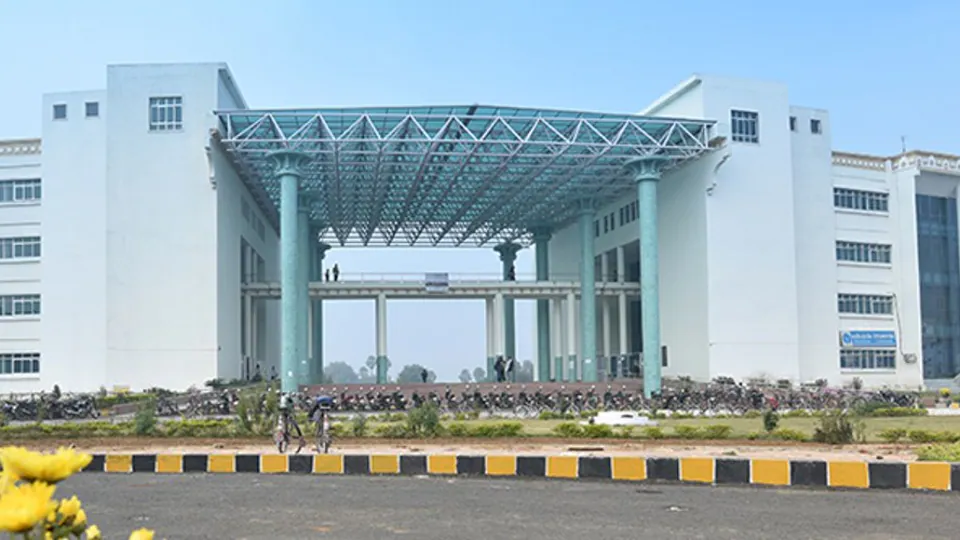
The Indian Institute of Technology (IIT) Patna has taken cognisance of purported anti-reservation remarks attributed to its registrar and dean of administration, Awalendra Kumar Thakur, following an uproar on campus. Institute director Amit Patra said the matter had been escalated to higher authorities and that further updates would be shared when appropriate.
The controversy centres on a social media post that reportedly questioned India’s reservation policies and described affirmative action as a political tool detrimental to young people and national progress. The remarks have triggered concerns among members of the institute’s faculty and prompted a complaint seeking an investigation into the matter.
Thakur, however, has denied making or sharing the statements. He has alleged that fabricated screenshots created or manipulated using artificial intelligence are being circulated to damage his professional reputation. He has also indicated that he intends to pursue legal action and register a First Information Report (FIR).
The dispute has placed the institute under scrutiny over the alleged remarks, the registrar’s administrative responsibilities and the need to establish the authenticity of the material circulating online.
IIT Patna director says matter is under consideration
Director Amit Patra confirmed that the institute was aware of the controversy and had referred the matter to higher authorities for consideration.
In an email response to Hindustan Times, Patra said: “The matter is currently under consideration by the higher authorities, and we are acting in accordance with their guidance. Appropriate updates will be shared publicly at the right time.”
The statement indicates that the matter is being considered at a higher administrative level. However, the institute has not announced a final finding on the authenticity of the disputed social media post or specified what action, if any, will follow.
The controversy involves statements attributed to a senior administrative official at a premier engineering institution. As the issue remains under consideration, the distinction between the allegations circulating online and the registrar’s denial remains central to the case.
The available information does not establish whether the institute has independently verified the screenshots or reached a conclusion about who created or circulated the post.
Awalendra Kumar Thakur denies making anti-reservation remarks
Thakur has rejected the allegations and described the controversy as a calculated smear campaign involving synthetic media. He maintained that the screenshots being circulated were fabricated or doctored and intended to tarnish his professional standing.
“Artificial intelligence has been misused to defame me,” Thakur said.
He insisted that he had never authored or shared statements questioning affirmative action. He also said he intended to take legal recourse and register an FIR in response to the allegations.
Thakur’s denial introduces a separate question into the controversy: whether the disputed post is authentic or whether the material attributed to him has been manipulated. Establishing the origin and integrity of the screenshots would be important to resolving that question.
At this stage, the available information does not independently confirm either the authenticity of the post or Thakur’s allegation that artificial intelligence was used to fabricate the material. Both the allegations against him and his denial must therefore be distinguished from any findings that may emerge from an investigation.
The controversy also highlights the challenges institutions face when disputed statements circulate on social media. Screenshots can spread rapidly, but their appearance alone does not establish who authored a message or whether the material accurately represents an original post.
What did the disputed social media post reportedly say?
The post attributed to Thakur reportedly called on the Union government to review reservation policies. It argued that reservation had originally been intended to operate for 10 years but had subsequently become a political “vote bank” instrument.
According to the material described in the report, the post also claimed that reservation policies were detrimental to India’s youth and national progress. These purported remarks prompted concern because of their criticism of affirmative action and the position held by the official to whom they were attributed.
Reservation policies in India are intended to provide representation and opportunities to historically disadvantaged communities through provisions in areas including education and public employment. Debates over their duration, implementation and effects have long formed part of the country’s political and public discourse.
However, the immediate issue at IIT Patna is not simply the wider debate over reservation. It is whether the disputed statements were actually made by Thakur and, if so, how they relate to his official responsibilities.
The institute has not publicly confirmed the authenticity of the post in the information provided. Until its origin and contents are established, the statements should be described as remarks attributed to Thakur rather than as verified comments made by him.
Faculty members raise concerns over possible conflict of interest
The purported remarks reportedly caused unease on the IIT Patna campus. Some faculty members raised concerns about a potential conflict of interest because Thakur’s administrative portfolio includes responsibilities relating to compliance with statutory reservation requirements.
A faculty member, speaking on condition of anonymity, said: “Public anti-reservation views coming from an official tasked with enforcing affirmative action severely compromise institutional trust.”
The concern centres on the relationship between an administrator’s responsibilities and statements that may appear to challenge the policies they are required to implement. If the remarks were authenticated, questions could arise about how the institution maintains confidence in the administration of statutory reservation provisions.
At the same time, the allegations have not been established, and Thakur has denied authorship. Determining whether the post is genuine is therefore essential before drawing conclusions about the registrar’s conduct or its implications for his administrative role.
The issue has also brought institutional credibility into focus. Universities and technical institutions are expected to administer applicable rules and procedures, while disputes involving senior officials can raise questions about transparency, accountability and confidence among students and faculty.
Rights activist submits complaint seeking an investigation
Anil Wagde, a rights activist and founding member of the IIM Alumni Global Network, submitted a complaint to IIT Patna Board of Governors chairman TV Narendran and director Amit Patra over the purported remarks.
Wagde described the statements attributed to Thakur as derogatory towards marginalised communities and demanded an investigation into the matter. He also sought criminal proceedings under the Scheduled Castes and Scheduled Tribes (Prevention of Atrocities) Act.
The complaint adds a formal demand for scrutiny to the controversy already unfolding on campus. It asks the institute’s leadership to examine the alleged statements and consider legal action in response to their reported content.
However, the submission of a complaint does not establish that an offence has occurred. Any determination of legal responsibility would depend on the relevant facts, the authenticity and context of the material, and the findings of the competent authorities.
The available information does not state whether a police case has been registered in connection with Wagde’s complaint or whether the institute has initiated a separate formal inquiry into the alleged remarks.
IIT Patna has previously filed FIRs over alleged attempts to malign its reputation
The controversy comes against the backdrop of previous cases involving the institute’s reputation. According to the supplied report, IIT Patna has previously lodged two separate FIRs over similar attempts to malign the institution.
The earlier cases provide context for the institute’s handling of allegations involving material circulated online. However, the available information does not provide details of those FIRs, including when they were registered, who was named or what the investigations established.
Thakur’s own allegation that fabricated screenshots were circulated to defame him raises a related question about the authenticity of digital material. His stated intention to register an FIR suggests that he wants the alleged manipulation to be examined through legal channels.
Any investigation into the disputed material would need to distinguish between the creation of an original post, its subsequent circulation and any alleged manipulation of screenshots. The available information does not establish whether such a technical or legal examination has begun.
Why the controversy matters for institutional accountability
The dispute has broader implications because it concerns both a sensitive public policy and the responsibilities of a senior administrator at a leading technical institution. Reservation policies affect access to educational opportunities and public employment, making their implementation an important issue for institutions and the communities they serve.
When remarks questioning such policies are attributed to an official responsible for administrative compliance, they can raise concerns about impartiality and institutional trust. Those concerns are especially significant when the authenticity of the remarks has not yet been established.
The case also demonstrates why allegations involving social media content require careful verification. A disputed screenshot may be circulated as evidence of a person’s views, but questions about its source, context and integrity need to be resolved before it can reliably support conclusions about the person concerned.
For IIT Patna, the immediate task is to consider the matter through the appropriate administrative process and clarify the status of the allegations when it is able to do so. Patra has said the institute is following guidance from higher authorities and will provide updates at the appropriate time.
What happens next in the IIT Patna controversy?
The next developments will depend on the consideration of the matter by higher authorities, any steps taken by IIT Patna and whether Thakur follows through on his stated intention to seek legal recourse.
The institute has not announced a final decision in the information provided. Nor has it confirmed whether the disputed social media post was authored by Thakur or whether the screenshots were manipulated, as he alleges.
Wagde’s complaint has called for an investigation and criminal proceedings under the SC/ST (Prevention of Atrocities) Act, while faculty members have raised concerns about the implications of the purported remarks for institutional trust. These concerns remain part of a developing controversy rather than established findings of misconduct.
Until the authenticity of the material and the circumstances surrounding its circulation are clarified, the case remains unresolved. A conclusive assessment will require the allegations to be examined alongside Thakur’s denial and any evidence gathered by the relevant authorities.
For now, IIT Patna has acknowledged the controversy and referred the matter to higher authorities. The institute’s eventual response is likely to be closely watched by its faculty, the wider academic community and those concerned about the administration of reservation policies and the use of synthetic media in public disputes.
For breaking news and live news updates, like us on Facebook or follow us on Twitter and Instagram. Read more on Latest India on thefoxdaily.com.






COMMENTS 0