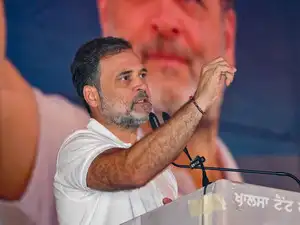
The Supreme Court of India on November 25, 2026, overturned a series of orders passed by the Allahabad High Court in a case concerning allegations of disproportionate assets against Lok Sabha Leader of Opposition Rahul Gandhi. The apex court directed that the petition be reconsidered from the beginning by a fresh High Court bench, keeping all legal arguments open, including whether the original petition is maintainable.
A bench comprising Chief Justice of India Surya Kant and Justices Joymalya Bagchi and V Mohana passed the order while hearing Gandhi’s challenge to the High Court’s directions to the Central Bureau of Investigation (CBI) and the Enforcement Directorate (ED) to verify allegations raised by Karnataka-based BJP worker S Vignesh Shishir.
The Supreme Court also directed Shishir to formally include Gandhi as a respondent in the petition. The Congress leader must be given an opportunity to present his arguments before the High Court passes further orders.
The ruling does not amount to a judicial finding on whether the allegations against Gandhi are true or false. Instead, it sets aside the earlier procedural directions and sends the matter back for a fresh hearing, ensuring that Gandhi is heard and that the legal questions surrounding the petition are examined again.
What did the Supreme Court order in the Rahul Gandhi assets case?
The Supreme Court set aside all the challenged orders passed by the Allahabad High Court and directed that the case be placed before the Chief Justice of the High Court for the constitution of a fresh bench.
The new bench must begin the proceedings afresh in open court. The apex court also made it clear that all contentions raised by the parties would remain available for consideration, including objections concerning the maintainability of the original petition.
One of the most important directions was that Shishir must implead Rahul Gandhi as a respondent. This means Gandhi will become a formal party to the proceedings and will have the opportunity to respond to the allegations and arguments presented by the petitioner.
The Supreme Court’s intervention followed Gandhi’s argument that the High Court had issued directions affecting him without first hearing his side. The apex court had previously questioned the procedure followed in the case and asked why orders had been passed without giving the Congress leader an opportunity to be heard.
By setting aside the earlier directions rather than simply modifying them, the Supreme Court has required the High Court to reconsider the matter afresh. The new proceedings will determine whether the petition can legally proceed and what action, if any, is justified under the law.
Who filed the complaint against Rahul Gandhi?
The original petition was filed by S Vignesh Shishir, a Karnataka-based BJP worker. He approached the Allahabad High Court seeking an investigation into allegations that Rahul Gandhi and members of his family possessed assets disproportionate to their known sources of income.
The complaint sought action through central investigative agencies, particularly the CBI and the ED. Shishir asked the authorities to examine the allegations and take appropriate steps if evidence of wrongdoing emerged.
The allegations remain claims made by the petitioner. The Supreme Court’s November 25 order did not establish that Gandhi possessed disproportionate assets, nor did it determine that the complaint was baseless.
Shishir has also pursued separate legal proceedings involving allegations concerning Gandhi’s citizenship. That matter is distinct from the disproportionate-assets petition and should not be confused with the case considered by the Supreme Court on November 25.
How did the Allahabad High Court proceedings begin?
The dispute reached the Allahabad High Court after Shishir filed a petition seeking an investigation into the alleged assets of Gandhi and other members of his family.
In May 2026, the High Court directed the CBI and ED to verify the allegations in accordance with the law. The court indicated that the agencies could take appropriate steps permitted by law if the complaint contained material requiring examination.
The High Court also sought information about the progress made by the agencies. Its directions led to further proceedings in which the CBI was asked to explain the status of its examination of the complaint.
The case subsequently became a procedural dispute over the extent of the High Court’s directions, the investigative agencies’ responses and whether Gandhi should have been heard before orders affecting him were passed.
Why did the Allahabad High Court question the CBI’s response?
On July 20, 2026, the Allahabad High Court’s Lucknow bench expressed dissatisfaction with an affidavit submitted by the CBI. The court observed that the agency’s response did not appear to comply with its earlier direction and did not adequately explain the progress made in examining the complaint.
The High Court asked a senior CBI officer, such as the joint director or the head of the relevant zone, to submit a fresh affidavit detailing the status of the inquiry.
The court also considered the ED’s response. It observed that the agency had taken the required steps and could proceed further in accordance with the law if its examination produced material indicating possible illegality.
These directions became part of the orders challenged by Gandhi before the Supreme Court. His legal challenge questioned the process through which the High Court had directed the agencies to verify the allegations and sought an opportunity to contest the proceedings.
It is important to distinguish between an agency being asked to verify a complaint and a formal finding that an offence has been committed. The High Court’s directions concerned the examination of allegations; they did not establish Gandhi’s guilt.
Rahul Gandhi challenged the proceedings in the Supreme Court
Rahul Gandhi approached the Supreme Court challenging the Allahabad High Court’s orders. His principal objection concerned the manner in which the proceedings had been conducted without giving him an opportunity to present his position.
Senior advocate Kapil Sibal represented Gandhi before the apex court. During the proceedings, Sibal questioned the legal basis and maintainability of the petition filed by Shishir. He also raised concerns about the petitioner’s standing and the circumstances in which the proceedings had moved forward.
Gandhi’s side argued that the High Court should not have issued directions affecting him without hearing him. The challenge also questioned whether the petitioner had demonstrated sufficient legal grounds to seek the relief requested from the court.
The Supreme Court’s eventual decision addressed the procedural concerns by setting aside the earlier orders and requiring a fresh hearing. It did not accept or reject the allegations on their merits.
Supreme Court had earlier paused the High Court proceedings
The November 25 ruling followed an earlier intervention by the Supreme Court on August 17, 2026. At that stage, the apex court issued notice on Gandhi’s petition and directed the Allahabad High Court to defer further proceedings in the matter.
The Supreme Court also restrained the CBI and ED from submitting reports to the High Court pursuant to the earlier directions while Gandhi’s challenge was under consideration.
During the August hearing, the bench raised questions about the need to follow principles of natural justice when a court issues directions that could affect an individual. The central concern was whether Gandhi should have been heard before the High Court passed orders relating to the allegations against him.
The November 25 decision went further by setting aside the challenged orders altogether and directing a fresh hearing before another bench. This means the earlier directions cannot simply be treated as continuing orders governing the proceedings.
What is the principle of natural justice at the centre of the case?
The dispute highlights the importance of natural justice in judicial proceedings. One of its central principles is audi alteram partem, a Latin expression meaning that the other side must be heard.
In practical terms, this principle requires courts to provide a person with a fair opportunity to respond when proceedings or proposed directions may affect that person’s rights or interests. The precise requirements can vary according to the nature of the case and the legal powers being exercised.
In the Rahul Gandhi matter, the Supreme Court focused on the fact that the High Court had issued directions concerning allegations against him without first hearing his position. The apex court’s decision to require his inclusion as a respondent ensures that he can participate in the fresh proceedings.
The principle does not mean that investigative agencies always need an individual’s permission before examining information or acting on credible allegations. Agencies can exercise powers available to them under the law. However, when a court is asked to issue directions affecting a person, procedural fairness and the legal basis for those directions become important considerations.
The fresh hearing will allow the High Court to examine these issues alongside the petitioner’s claims and the objections raised by Gandhi.
What happens to the CBI and ED verification process now?
The Supreme Court’s order removes the earlier Allahabad High Court directions under which the CBI and ED had been asked to verify the complaint and report on their progress. The matter will now return to the High Court for fresh consideration.
This does not mean that the Supreme Court has permanently barred either agency from taking action under its independent statutory powers. The agencies can exercise powers available to them under the applicable laws if the necessary legal conditions are met.
However, the agencies cannot treat the set-aside High Court orders as continuing authority for the specific reporting directions that have been overturned. Any further judicial directions will depend on the fresh proceedings and the law applicable to the matter.
The distinction is important because the Supreme Court has not decided whether the allegations warrant an investigation. That question, along with the legal validity of the petition, remains open for consideration before the High Court.
What will the fresh Allahabad High Court hearing examine?
The case will return to the Allahabad High Court, where its Chief Justice will constitute a fresh bench to hear the petition. The proceedings are expected to begin again in open court.
Several issues will be relevant during the fresh consideration:
- Maintainability of the petition: The High Court will consider whether Shishir’s petition can legally be entertained in its present form.
- Rahul Gandhi’s opportunity to respond: Gandhi must be included as a respondent and given an opportunity to present his arguments.
- Legal basis for the requested investigation: The court will examine whether the allegations and material placed before it justify the relief sought by the petitioner.
- Scope of judicial directions: The bench will consider what directions, if any, can legally be issued to the investigative agencies.
- Arguments of all parties: The Supreme Court has kept the parties’ contentions open, meaning the fresh bench must consider the issues without treating the earlier orders as settled conclusions.
The Supreme Court has not fixed the outcome of the petition. The High Court will have to assess the legal arguments and material before it before deciding whether the proceedings should continue and whether any further directions are necessary.
Why the ruling matters beyond the Rahul Gandhi case
The decision is significant because it addresses the procedure courts should follow when considering petitions seeking investigative action against individuals. It reinforces the importance of allowing affected parties to present their arguments before judicial directions are issued in circumstances where their interests may be affected.
It also highlights the distinction between allegations, preliminary verification and established wrongdoing. A complaint may prompt a court or an investigative agency to examine information, but that process does not automatically establish criminal liability.
For political figures, allegations involving financial assets can attract considerable public attention. However, the legal process must still distinguish between claims made by political opponents, evidence gathered by investigative agencies and findings reached by a competent court.
The ruling also leaves open a wider question about the maintainability of petitions seeking court-monitored or court-directed verification of allegations. The fresh High Court bench will have to examine whether the petitioner has established the legal basis required for the relief being sought.
For the CBI and ED, the case underlines the importance of the legal framework governing their actions. Their powers arise from statutes and applicable procedures, while judicial directions must remain within the limits of the law.
What happens next in the Rahul Gandhi assets case?
The immediate next step is for the Chief Justice of the Allahabad High Court to constitute a fresh bench. The matter will then be heard again in open court, with Rahul Gandhi formally included as a respondent.
The fresh bench will consider the petitioner’s allegations, Gandhi’s objections and the question of whether the petition is legally maintainable. It will also decide whether any further action by the CBI or ED should be directed through the proceedings.
There is no final judicial determination on the disproportionate-assets allegations as a result of the Supreme Court’s November 25 order. The claims remain allegations, and the High Court has yet to decide whether the petition can proceed and what legal consequences may follow.
The case will therefore continue, but under a fresh judicial process. The Supreme Court has reset the proceedings rather than delivered a verdict on the underlying accusations.
Frequently Asked Questions
Why did the Supreme Court set aside the Allahabad High Court order?
The Supreme Court set aside the earlier orders after concerns arose over the procedure followed, particularly the fact that Rahul Gandhi had not been given an opportunity to be heard before directions concerning the allegations were issued.
Who filed the complaint against Rahul Gandhi?
The petition was filed by S Vignesh Shishir, a Karnataka-based BJP worker, who sought an investigation into allegations that Gandhi and members of his family possessed assets disproportionate to their known sources of income.
Did the Supreme Court clear Rahul Gandhi of the allegations?
No. The Supreme Court did not decide whether the allegations were true or false. It set aside the earlier High Court orders and sent the petition back for fresh consideration.
Has the Supreme Court stopped the CBI and ED from investigating Rahul Gandhi?
The court set aside the specific High Court directions requiring the agencies to verify the complaint and report on their progress. It did not impose a permanent prohibition on the agencies exercising their independent legal powers.
What did the Supreme Court direct the petitioner to do?
The court directed S Vignesh Shishir to implead Rahul Gandhi as a respondent in the petition so that the Congress leader can participate in the fresh proceedings.
What happens next?
The Chief Justice of the Allahabad High Court will constitute a fresh bench. It will hear the matter again in open court and consider all arguments, including whether the petition is maintainable.
Does the case concern Rahul Gandhi’s citizenship allegations?
No. The Supreme Court’s November 25 ruling concerns the petition alleging disproportionate assets. Shishir has pursued separate proceedings involving allegations about Gandhi’s citizenship, which are distinct from this case.
:chatgpt-content-reference{index=”0″}
For breaking news and live news updates, like us on Facebook or follow us on Twitter and Instagram. Read more on Latest India on thefoxdaily.com.






COMMENTS 0