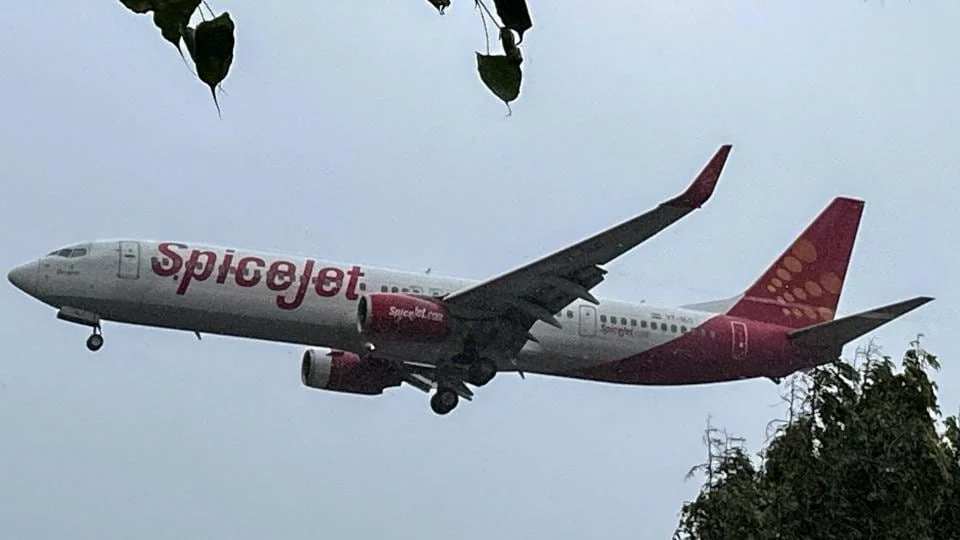
SpiceJet passengers faced inconvenience on Friday after a technical glitch disrupted several services on the airline’s website, including online check-in, flight bookings and payments. The airline confirmed the issue and advised travellers to reach airports earlier than usual, warning that additional time might be required to complete airport formalities through manual processes.
SpiceJet said manual check-in and boarding arrangements had been activated across airports to minimise disruption while its technical teams worked with an external service provider to restore the affected services. The airline also apologised to passengers and shared helpline numbers for assistance with flight modifications and cancellations.
The website disruption comes at a challenging time for the airline, which has been facing financial difficulties and operational concerns. Separately, the Airline Pilots’ Association of India (ALPA India) has written to the Ministry of Civil Aviation, raising concerns about delayed salary payments, aircraft maintenance expenses and the possible implications of financial stress for flight safety and employee welfare.
SpiceJet Website Technical Glitch Affects Multiple Passenger Services
SpiceJet said its website was experiencing technical issues affecting important passenger-facing services. The disruption included online check-in, payment facilities and booking services, potentially making it difficult for travellers to complete essential tasks before arriving at the airport.
Online check-in is an important part of the pre-flight process because it allows passengers to confirm their travel details and obtain boarding passes before reaching the airport. When the facility becomes unavailable, travellers may have to depend on airport counters and alternative arrangements to complete the process.
The payment and booking disruptions could also affect customers attempting to purchase tickets or make changes to existing travel arrangements through the airline’s website.
In a post on X, SpiceJet acknowledged the problem and said its teams were working with its service provider to restore normal operations.
“We regret the inconvenience and our teams are working with our service provider to restore services at the earliest,” the airline said.
The airline did not specify the precise cause of the technical problem or provide a confirmed timeline for the complete restoration of its website services in the information shared.
Manual Check-in and Boarding Introduced Across Airports
To manage the disruption, SpiceJet said manual check-in and boarding processes were in place across airports. These arrangements are intended to allow passengers to continue with their travel formalities even when the airline’s online systems are unavailable.
However, manual processing can require additional time compared with normal digital check-in procedures. Passengers may have to complete certain steps at airport counters that they would ordinarily finish online before departure.
For this reason, SpiceJet advised passengers to arrive at airports earlier than usual. Travellers should account for possible queues and additional time needed to complete check-in, baggage drop and boarding formalities.
The airline’s advice is particularly important for passengers travelling close to departure time. Those who normally depend on online check-in should avoid assuming that their usual digital process will be available until the website services are fully restored.
Passengers should also keep their booking details and valid travel documents readily accessible to help airport staff verify their reservations and assist with manual procedures.
SpiceJet Shares Helpline Numbers for Cancellations and Modifications
SpiceJet asked passengers who need assistance with flight changes or cancellations to contact its customer support helplines while the website issue remains unresolved.
The airline shared the following contact numbers:
- 0124 4983410
- 0124 7101600
Passengers facing problems with bookings or other travel-related services can use these numbers to seek assistance. Travellers who need to modify or cancel their reservations should contact the airline directly rather than assuming that online services will process their requests successfully during the disruption.
Passengers should also monitor official SpiceJet communication channels for updates about the restoration of website services and any changes to airport procedures.
ALPA India Raises Concerns Over SpiceJet’s Financial Condition
The website disruption has brought fresh attention to SpiceJet’s wider operational challenges, although the airline has not linked the technical issue directly to its financial condition.
Separately, the Airline Pilots’ Association of India has written to the Ministry of Civil Aviation, expressing concern over the airline’s financial distress and its potential consequences for flight safety, employee welfare and regulatory accountability.
In a letter dated November 17, ALPA India highlighted several issues that it said required attention from the aviation authorities. These included persistent delays in salary payments to pilots and cabin crew, concerns about payments related to aircraft maintenance and spare parts, and increasing pressure on frontline employees amid Flight Disruptions.
The association argued that the airline’s financial difficulties should not be viewed only as a commercial or administrative concern. It said the situation could have wider implications for personnel responsible for maintaining safe and reliable flight operations.
The letter placed particular emphasis on the financial security of pilots and cabin crew, who perform safety-critical duties and are expected to maintain high levels of concentration and professional judgement.
Pilots’ Association Warns About Delayed Salaries and Employee Stress
One of the major concerns raised by ALPA India was the reported delay in salary payments to pilots and cabin crew. The association said financial insecurity and psychological stress caused by delayed payments could potentially affect the alertness, concentration and decision-making abilities of aviation personnel.
Its argument was that employees responsible for safety-critical functions should not be expected to carry out demanding professional duties while facing uncertainty over their basic financial commitments.
Pilots and cabin crew work in an environment where attention to detail, communication and timely decisions are essential. Although delayed salaries do not automatically establish that flight safety has been compromised, the association believes prolonged financial uncertainty can create additional pressure on employees.
ALPA India therefore urged the authorities to take the concerns seriously and examine the conditions under which aviation professionals are expected to perform their responsibilities.
The issue also raises questions about employee welfare in an industry where operational reliability depends heavily on trained personnel. Airlines require experienced pilots, cabin crew, engineers and ground staff to maintain schedules and manage disruptions. Financial instability can make it more difficult to retain and support these employees.
Aircraft Maintenance and Spare-Parts Payments Under Scrutiny
ALPA India also flagged concerns about payments to aircraft maintenance organisations, spare-parts suppliers and other essential service providers.
Aircraft maintenance involves regular inspections, repairs, replacement of components and compliance with technical requirements. Airlines must maintain relationships with specialised service providers and ensure that essential parts and maintenance support remain available.
The association warned that financial constraints affecting payments to these organisations could create difficulties for maintenance operations. It said such problems could potentially contribute to aircraft groundings, operational disruptions and increased pressure on engineering personnel.
Aircraft grounding occurs when an aircraft cannot be used for operations because it requires maintenance, repairs or other necessary clearances. When several aircraft become unavailable, airlines may face difficulties maintaining planned schedules and could experience delays or cancellations.
However, the concerns raised by ALPA India should be understood as warnings about potential risks. The letter, as described in the available information, does not establish that a specific aircraft was grounded because of unpaid maintenance bills or that a particular safety incident resulted from the airline’s financial condition.
The association’s concerns nevertheless highlight why financial stability and maintenance planning are important parts of airline operations. An airline’s ability to meet its obligations to suppliers and service providers can influence its operational resilience.
Frontline Employees Facing Passenger Anger During Flight Disruptions
Another issue highlighted by ALPA India was the pressure on frontline employees during flight delays, cancellations and other operational disruptions.
Pilots, cabin crew and ground staff are often the first people passengers approach when travel plans are affected. They may have to answer questions, explain available information and manage frustrated travellers, even when the disruption is linked to decisions or circumstances outside their control.
The association said frontline employees were increasingly bearing the brunt of passenger frustration and, in some cases, hostility and abuse. It argued that these workers have limited control over management decisions but are left to deal directly with the consequences.
This situation can create an additional burden for employees who are already working under demanding operational conditions. When delays and cancellations become frequent, customer-facing staff may have to manage difficult interactions while continuing to perform their assigned responsibilities.
The issue also highlights the importance of clear communication between airlines and passengers. Timely updates about delays, cancellations, check-in arrangements and alternative travel options can help reduce uncertainty and prevent unnecessary conflict at airports.
What SpiceJet Passengers Should Do During the Disruption
Passengers scheduled to travel with SpiceJet should take precautions while the airline works to restore its website services. The manual arrangements announced by the airline are intended to keep airport processes operating, but travellers may need additional time to complete their formalities.
- Reach the airport early: Allow extra time for manual check-in, baggage drop and boarding procedures.
- Keep booking details ready: Carry the ticket confirmation and other relevant travel information for verification at the airport.
- Check official updates: Monitor SpiceJet’s communication channels for information about website restoration and operational arrangements.
- Contact customer support: Use the helpline numbers 0124 4983410 or 0124 7101600 for assistance with cancellations and modifications.
- Do not depend entirely on online check-in: Be prepared to complete the process at the airport if the website remains unavailable.
Passengers should also avoid making assumptions about their flight status based solely on the website disruption. They should verify their individual booking and departure information through the airline’s official communication channels.
Website Disruption Adds to SpiceJet’s Operational Challenges
The technical issue affecting SpiceJet’s website has created an additional inconvenience for passengers at a time when the airline is already facing scrutiny over its financial and operational position.
While the airline has activated manual check-in and boarding arrangements, the incident demonstrates how dependent modern air travel has become on digital systems. Online booking, payment processing and check-in facilities are central to the passenger experience, and disruptions can quickly affect multiple stages of a journey.
Separately, ALPA India’s letter to the Civil Aviation Ministry has raised broader questions about the relationship between an airline’s financial health, employee welfare and operational reliability. Its concerns about delayed salaries, maintenance payments and pressure on frontline workers underline the importance of financial stability in an industry where safety and service depend on coordinated teams.
For passengers, the immediate priority is to allow extra time at airports and use the support channels provided by the airline. For SpiceJet, restoring its website services and addressing the wider concerns raised by the pilots’ association will remain important as it works to maintain passenger confidence and operational continuity.
For breaking news and live news updates, like us on Facebook or follow us on Twitter and Instagram. Read more on Latest India on thefoxdaily.com.






COMMENTS 0