Tamil Nadu Social Justice Minister Vanni Arasu has said the state government is considering a request from some students in government hostels to include beef in their meals, citing the relatively high cost of mutton. The minister said no final decision has been taken and that officials would be consulted before the government determines whether to make any change.
The issue emerged after Arasu reviewed facilities at the M C Raja Social Justice Hostel in Saidapet on Friday. Speaking to reporters afterward, he said hostel menus have been adjusted based on feedback from students and that opinions among hostellers are not uniform.
According to the minister, government hostels already provide non-vegetarian food, including chicken and mutton, while biryani is served once a week. Some students, particularly those from rural backgrounds, have now requested that beef also be considered because they find mutton comparatively expensive.
The proposal has already drawn political opposition. Puthiya Tamilagam founder and president K Krishnasamy criticized the minister’s remarks and called for the statement to be withdrawn, arguing that hostel residents should receive balanced and nutritious meals.
Why beef has come up in Tamil Nadu hostel menus
Arasu said the proposal originated with a section of students rather than being announced as a government policy.
The minister explained that students had raised the cost of mutton as a concern and suggested beef as an additional non-vegetarian option. He emphasized that different students have different views about the proposal and that the government would consult officials before reaching a decision.
The distinction is important because the government has not announced that beef will be introduced into hostel kitchens. At this stage, the issue is a request made by some students that the Social Justice Department says it is considering.
The discussion also comes within a broader effort by the department to modify hostel food according to student feedback. Arasu said the government has already changed several dishes and plans to continue reviewing the menu.
What the government hostel menu currently includes
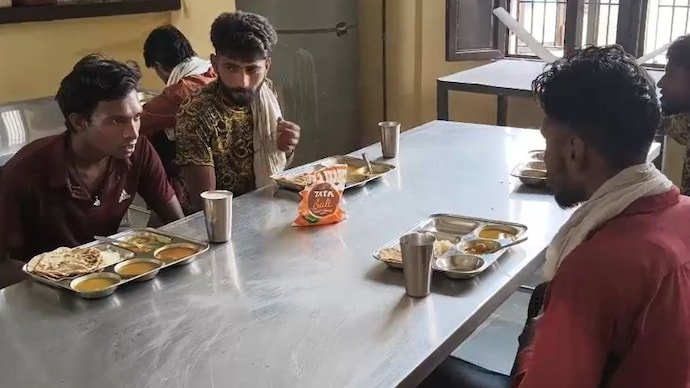
According to Arasu, government hostels currently provide both vegetarian and non-vegetarian food. Mutton and chicken are among the non-vegetarian items served to students, while biryani is scheduled once a week.
The minister said students have been providing feedback on the food served in hostels, prompting the department to make changes to individual dishes.
Some breakfast items, including upma and semiya kichadi, have reportedly been removed from the menu. They have been replaced with foods such as idli and dosa.
Arasu presented the changes as part of an item-by-item review intended to make hostel meals more responsive to students’ preferences.
Minister says student opinions differ
The minister’s comments indicate that there is no single view among the students about adding beef.
Arasu said the request came from a section of students, particularly those from rural backgrounds, WHO pointed to the cost of mutton. Other hostellers have different views, he said.
That difference of opinion means the government faces a practical question about how hostel menus should be designed when students have different dietary preferences and cultural practices.
Government-run hostels serve students from varied social and geographic backgrounds. A menu policy therefore has to balance nutritional requirements, affordability, availability and the preferences of the students who depend on the hostel for regular meals.
Beef proposal is not yet a government decision
Arasu made clear that officials still need to be consulted.
The minister said the Social Justice Department would discuss the request with the concerned officials before taking a decision. No timeline for a final decision was announced in the statement.
This means reports describing beef as being added to Tamil Nadu government hostel menus would go beyond what has been established so far. The current development is a proposal under consideration, not a confirmed menu change.
The government will also have to determine whether any change would apply across all hostels or only to particular institutions, and how such a menu option would be managed alongside existing food arrangements.
K Krishnasamy opposes the proposal
The proposed addition of beef has faced opposition from K Krishnasamy, founder and president of Puthiya Tamilagam.
Krishnasamy described the proposal as unacceptable and warned that it could have serious consequences. He also called on the minister to withdraw his statement.
His criticism focused on the nutritional composition of hostel meals. Krishnasamy said students need balanced nutrition that provides proteins and essential vitamins.
His comments add a political dimension to what the government has presented as a question arising from student feedback. The disagreement now involves both the preferences expressed by some hostellers and concerns raised by a political organization about the composition of meals served in state-run facilities.
Nutrition is likely to be central to the decision
Any decision about a government hostel menu ultimately involves more than the choice between individual types of meat.
Students living in government hostels may rely on the institution for a substantial share of their daily meals. That makes adequate nutrition an important consideration when departments revise menus.
Protein can come from a range of animal and plant sources, while vitamins and minerals can be supplied through vegetables, fruits, grains, pulses, dairy products, eggs and other foods. The nutritional value of an overall meal plan therefore depends on the complete menu rather than one individual ingredient.
At the same time, affordability can influence what students are able to eat outside government facilities. Arasu’s explanation suggests that the request for beef is partly connected to the price difference students perceive between beef and mutton.
The government would therefore need to consider both nutritional adequacy and the cost of supplying meals at scale if it decides to change the menu.
Cost is a key issue behind the request
Arasu specifically linked the request to the price of mutton. He said some students from rural areas told officials that mutton was relatively expensive and was not commonly consumed by them.
That makes food cost an important part of the discussion.
Government hostels operate within public budgets, meaning food purchases have to be managed against available allocations and the number of students being served. If one food item is substantially more expensive than another, replacing or supplementing it can affect the cost of providing meals.
However, the actual financial impact of introducing beef has not yet been provided by the department. Until officials complete their assessment, it is not possible to determine how much a menu change would save or cost the government.
Tamil Nadu’s diverse food preferences add complexity
Tamil Nadu has a diverse food Culture, with dietary preferences varying across communities, families and regions. Government hostels can bring students with those different backgrounds together under a common food program.
That creates a practical challenge for administrators. A menu that is acceptable to one group of students may not be preferred by another.
Arasu’s statement that opinions vary among hostellers acknowledges this issue. It also suggests that the government is considering the request as part of a wider process of gathering student feedback rather than treating one group’s preference as automatically applicable to everyone.
If officials decide to modify the menu, they may have to consider whether students should have alternative choices, how frequently particular non-vegetarian dishes should be served and whether food procurement can support the proposed menu.
The debate is about a proposed menu change, not a confirmed policy
The distinction between a request and an approved government policy is especially important in this case.
Arasu did not announce that beef would immediately be served in government hostels. He said some students had requested it and that the matter would be discussed with officials.
Krishnasamy’s opposition, Meanwhile, is directed at the possibility of such a change. His demand for withdrawal does not mean the government has already approved the proposal.
The next stage is therefore administrative consideration. Officials will have to examine the request and the existing hostel food system before the government decides whether any change is appropriate.
How the hostel menu has already changed
The beef discussion is part of a wider menu revision described by the minister.
Arasu said the department has been making changes based on feedback from students, including removing some breakfast dishes and replacing them with idli and dosa.
The department has also introduced or maintained non-vegetarian options and a weekly biryani service. These changes indicate that hostel food is already being reviewed rather than remaining fixed.
The government’s stated approach is to consider individual dishes and modify them in response to student feedback. The proposed beef addition would therefore be another potential change within that process.
What happens next
The government has not yet announced a final decision on whether beef will be included in the menu of Tamil Nadu government hostels.
The Social Justice Department is expected to consult officials about the request, while opposition from Krishnasamy adds another consideration to the public debate.
The eventual decision could depend on several factors, including student preferences, food costs, nutritional requirements, procurement arrangements and the practical management of different dietary choices within hostels.
For now, the confirmed development is that a section of students has requested beef as an additional non-vegetarian option and that Minister Vanni Arasu has said the government will discuss the matter with officials. Puthiya Tamilagam has opposed the proposal and demanded that the minister withdraw his statement.
The issue is therefore still at the consultation stage. Until the department makes a formal announcement, beef should not be described as an approved addition to the menu in Tamil Nadu government hostels.
For breaking news and live news updates, like us on Facebook or follow us on Twitter and Instagram. Read more on Latest India on thefoxdaily.com.






COMMENTS 0