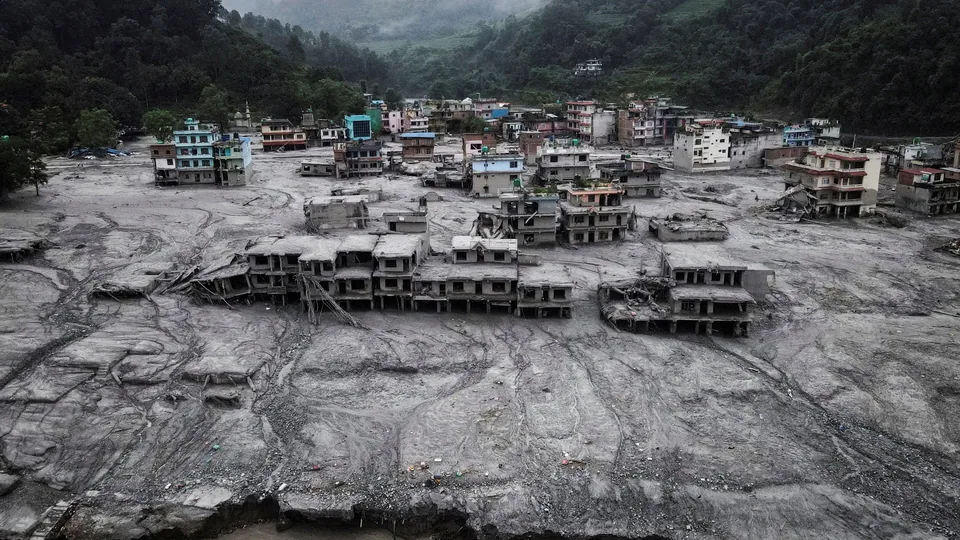
The United Nations’ Loss and Damage Fund has provisionally approved $21.6 million for Nepal following the devastating Bhote Koshi River floods in August 2026. The decision marks the first time the fund has set aside financial assistance for a country since becoming operational at the COP28 climate conference, representing a significant development in international efforts to help vulnerable nations recover from climate-related disasters.
The allocation includes $20 million in proposed funding for Nepal over four years and an additional $1.6 million in oversight fees. The decision was taken during an extraordinary meeting of the Board of the Fund for Responding to Loss and Damage (FRLD) on Thursday, October 22, following Nepal’s request for emergency climate-related financial assistance.
The August disaster caused catastrophic losses in Nepal. According to the information provided, the floods killed at least 1,000 people and left more than 5,000 missing. Preliminary estimates suggest that the total costs associated with the disaster could reach approximately $2.56 billion, meaning the proposed funding would cover only around 0.7% of the estimated losses.
Although the allocation is provisional and Nepal must still complete the formal application process, the decision represents an important step towards making the international climate finance mechanism accessible to countries facing severe climate-related damage.
UN Loss and Damage Fund Provisionally Approves $21.6 Million for Nepal
The Board of the Fund for Responding to Loss and Damage held an extraordinary meeting on Thursday to consider Nepal’s request for emergency funding following the Bhote Koshi River floods. The request sought $20 million over a four-year period to support the country in responding to the disaster.
The Board provisionally approved the allocation, with $20 million earmarked for the proposed assistance and $1.6 million designated for oversight fees. This marks the first time money has been allocated or set aside for a country through the fund since its creation.
The decision followed a formal communication from the Government of Nepal, received by the fund’s co-chairs on August 31. In its request, Nepal urged the Board to take a special decision that would allow it to respond rapidly, directly and effectively in accordance with the fund’s governing instrument.
Despite the provisional approval, the funding is not yet equivalent to a completed disbursement. Experts cited in the report said Nepal must formally apply for the assistance, after which the Board will consider the request at its next meeting in December.
The $20 million allocation also represents the maximum amount that can currently be requested for a single project under the mechanism described in the report.
Bhote Koshi River Floods Caused Catastrophic Losses in Nepal
The proposed funding follows the devastating floods that struck Nepal in August 2026. The disaster caused extensive human losses, with at least 1,000 people reported dead and more than 5,000 missing in the information provided.
Preliminary estimates put the potential costs associated with the disaster at approximately $2.56 billion. These estimated costs provide a measure of the scale of the recovery challenge facing Nepal and the gap between the country’s needs and the provisional international assistance approved so far.
The Loss and Damage Fund was established to provide financial support to developing countries that are particularly vulnerable to the adverse effects of Climate Change. Its purpose is to help countries address economic and non-economic losses that cannot be avoided through climate adaptation or other protective measures.
Nepal’s request places the fund’s emergency response mechanism into practical operation for the first time. The decision also raises questions about how quickly the international climate finance system can deliver support following a disaster and whether the amounts available are sufficient to meet the needs of affected communities.
Funding Covers Just 0.7% of Nepal’s Estimated Disaster Costs
Although the provisional allocation represents a milestone for the Loss and Damage Fund, the amount remains small compared with the estimated costs of the August floods.
Preliminary estimates suggest that Nepal could face approximately $2.56 billion in disaster-related costs. Against this figure, the proposed $20 million in assistance would cover only around 0.7% of the estimated losses.
The difference highlights the challenge developing countries face when seeking international support for major climate-related disasters. Even when funding is approved, the available amount may cover only a limited share of the resources required for recovery, reconstruction and the restoration of essential services.
Anjal Prakash, Professor of Public Policy at FLAME University and an author of assessments by the Intergovernmental Panel on Climate Change (IPCC), said Nepal’s allocation represented an important recognition of the need for climate justice.
However, Prakash cautioned that setting money aside was not the same as delivering it. He highlighted the gap between the estimated losses and the amount of financial support available, stressing the importance of rapid disbursement and transparent safeguards that enable rather than delay assistance.
He also called for a permanent emergency funding window, simpler access procedures and predictable contributions from wealthy countries. According to Prakash, recovery assistance should reach affected families, restore essential services and protect livelihoods without adding to national debt.
Nepal Requested an Emergency Response From the Fund
The Government of Nepal formally approached the fund’s leadership after the August floods. The fund’s co-chairs received a communication from Nepal’s senior signatory national focal point on August 31.
In the communication, Nepal asked the Board to make a special decision to ensure that the country could receive a rapid and effective response under the fund’s governing framework.
The request sought $20 million over four years and was considered during the Board’s extraordinary meeting on October 22. The provisional approval marks progress in Nepal’s attempt to access the mechanism, but further formal steps remain necessary before the funding can be delivered.
The timeline has also drawn criticism from climate finance advocates. Harjeet Singh, Global Convenor of the Fill the Fund campaign and Founding Director of the Satat Sampada Climate Foundation, described the decision as a historic moment in responding to Nepal’s disaster.
Singh said it was unacceptable for a country facing a catastrophe to have to wait seven weeks and rely on repeated formal communications and sustained pressure to secure the fund’s first extraordinary meeting. He called for a permanent rapid-response system capable of moving assistance within days rather than months.
His comments underline the difference between creating a financial mechanism and ensuring that it can respond at the speed required during a humanitarian emergency.
What Is the UN Loss and Damage Fund?
The Loss and Damage Fund was established to help developing countries that are particularly vulnerable to climate change deal with the adverse effects of climate-related disasters. It is designed to provide financial assistance for economic and non-economic losses that countries experience as climate impacts intensify.
Economic losses can include damage to infrastructure, homes, productive assets and livelihoods. Non-economic losses can involve harms that are difficult to measure financially, including the loss of lives, cultural heritage and other social or community values.
The fund became operational following developments at the COP28 climate conference. Its purpose is to help address the financial burden faced by vulnerable countries when climate-related impacts cause damage that cannot be fully prevented or managed through adaptation alone.
The provisional allocation for Nepal is the first time the fund has set aside money for a country since its creation. As a result, the decision represents an important test of how the mechanism will function when confronted with an urgent request for assistance following a major disaster.
However, the Nepal case also highlights the administrative and financial challenges associated with delivering assistance. The country must still submit a formal application, and the Board is expected to consider the request at its December meeting.
Developing Countries Have Submitted 176 Applications Worth $2.8 Billion
The Nepal decision comes as developing countries continue to seek support from the Loss and Damage Fund. A separate analysis by Carbon Brief found that developing countries had submitted 176 applications to the mechanism, with the requests totalling approximately $2.8 billion.
The number and value of these applications indicate the scale of demand for financial assistance from countries facing climate-related losses. They also provide context for the challenges involved in ensuring that available funding can respond to needs across multiple vulnerable nations.
According to figures reported as of March 15, 2026, the fund had received $822.06 million in pledges from 27 countries. Total grant contributions stood at $629.70 million.
The difference between pledged funding and grant contributions reflects the distinction between financial commitments and the amounts recorded as contributions. Both figures are important when assessing the resources available to support countries seeking assistance.
The reported applications totalling $2.8 billion also exceed the amount of grant contributions recorded as of March 15. The figures underline the importance of predictable funding and the need to match available resources with the scale of requests from developing countries.
Which Countries Have Contributed to the Loss and Damage Fund?
The Loss and Damage Fund has received pledges from 27 countries, with several major contributors accounting for substantial portions of the reported commitments.
According to the figures provided, the largest contributors include:
- United Arab Emirates: $100 million
- Germany: $98.4 million
- France: $53.07 million
- United Kingdom: $52.15 million
- Spain: $44.01 million
- Australia: $34.11 million
These contributions form part of the broader international effort to provide financial assistance to countries experiencing climate-related losses. However, the total amount of funding available remains a central concern given the number of applications and the scale of damage associated with major disasters.
The experience of Nepal shows why advocates are calling for more predictable financial contributions and procedures that allow emergency assistance to reach affected populations quickly.
Why Nepal’s Allocation Matters for India and Other Developing Countries
The provisional allocation has implications beyond Nepal because India and other developing countries also face climate-related disasters and may need access to international financial support for recovery.
Experts have described the decision as an important milestone in efforts to secure disaster finance for vulnerable countries. It demonstrates that the Loss and Damage Fund has begun moving from its institutional framework towards responding to a country’s specific request for assistance.
At the same time, the amount allocated to Nepal highlights the difference between recognising climate-related losses and providing financial support at a scale that matches those losses.
Prakash said the priority should be to ensure rapid disbursement, with transparent safeguards that support assistance rather than delay it. He also stressed the need for a permanent emergency window, simpler access procedures and predictable contributions from wealthier countries.
For countries confronting severe climate impacts, the effectiveness of the fund will depend not only on whether funding is approved but also on how quickly it reaches affected communities and whether it is sufficient to support recovery.
The Nepal case may therefore inform future discussions about how the fund should handle urgent applications and how its procedures can be improved without compromising transparency and accountability.
Climate Finance Advocates Call for Faster Emergency Assistance
Climate finance advocates have welcomed the provisional allocation while emphasising that the process took too long for a country dealing with a major disaster.
Harjeet Singh said Nepal should not have had to endure a catastrophe and then wait seven weeks, relying on formal letters and sustained pressure to secure the fund’s first emergency meeting. He called for a permanent rapid-response system that could deliver support in days rather than months.
Prakash similarly argued that the allocation should be followed by rapid delivery and procedures that make assistance accessible. He said support should reach affected families, restore essential services and protect livelihoods without increasing national debt.
These concerns focus on the practical effectiveness of climate finance. An emergency fund must not only have resources available but also be able to process requests and release assistance within a timeframe that reflects the urgency of a disaster.
The provisional approval is an initial step, but Nepal still needs to complete the formal application process. The Board is expected to consider the request at its next meeting in December, leaving further decisions to be made before the allocation can progress through the remaining stages.
What the Nepal Decision Means Ahead of COP31
The provisional approval comes ahead of COP31, placing attention on whether the Loss and Damage Fund can develop into a reliable mechanism for responding to climate-related disasters.
Prakash said the test would be whether the decision becomes the foundation of a system capable of responding to vulnerable communities at the speed and scale their losses demand, rather than remaining a symbolic financial commitment.
The Nepal case has already demonstrated both the potential and the limitations of the mechanism. For the first time, the fund has provisionally set aside money for a country following a formal emergency request. Yet the proposed assistance would cover only around 0.7% of Nepal’s preliminary estimated disaster costs.
The next steps will involve Nepal’s formal application and the Board’s consideration of the request at its December meeting. The speed and outcome of that process will help determine how quickly the provisional approval can translate into support for recovery.
More broadly, the decision has intensified calls for a permanent emergency funding window, simpler application procedures and predictable contributions from wealthier countries. These measures, advocates argue, would help ensure that countries experiencing major climate-related losses can access assistance without prolonged delays.
Key Takeaways
- First allocation: The UN Loss and Damage Fund has provisionally set aside funding for a country for the first time since becoming operational.
- Total provision: Nepal has received provisional approval for $20 million over four years, plus $1.6 million in oversight fees.
- Disaster impact: The August 2026 Bhote Koshi River floods killed at least 1,000 people and left more than 5,000 missing, according to the information provided.
- Limited coverage: The proposed $20 million represents around 0.7% of preliminary estimated disaster costs of approximately $2.56 billion.
- Formal process remains: Nepal must still submit a formal application, which the Board is expected to consider at its December meeting.
- Global demand: Developing countries have submitted 176 applications worth approximately $2.8 billion, according to a Carbon Brief analysis.
- Funding contributions: As of March 15, 2026, the fund had received $822.06 million in pledges from 27 countries, with grant contributions totalling $629.70 million.
- Calls for reform: Climate finance advocates have urged the creation of a permanent rapid-response mechanism, simpler access procedures and more predictable contributions.
The UN Loss and Damage Fund’s provisional approval for Nepal marks a significant development in international climate finance. It establishes a first step towards funding a country’s response to a major climate-related disaster, while exposing the gap between the resources available and the estimated cost of recovery. Whether the decision leads to timely assistance for affected communities will depend on the formal application process, the Board’s next decision and the fund’s ability to deliver support quickly and predictably.
For breaking news and live news updates, like us on Facebook or follow us on Twitter and Instagram. Read more on Latest India on thefoxdaily.com.



COMMENTS 0