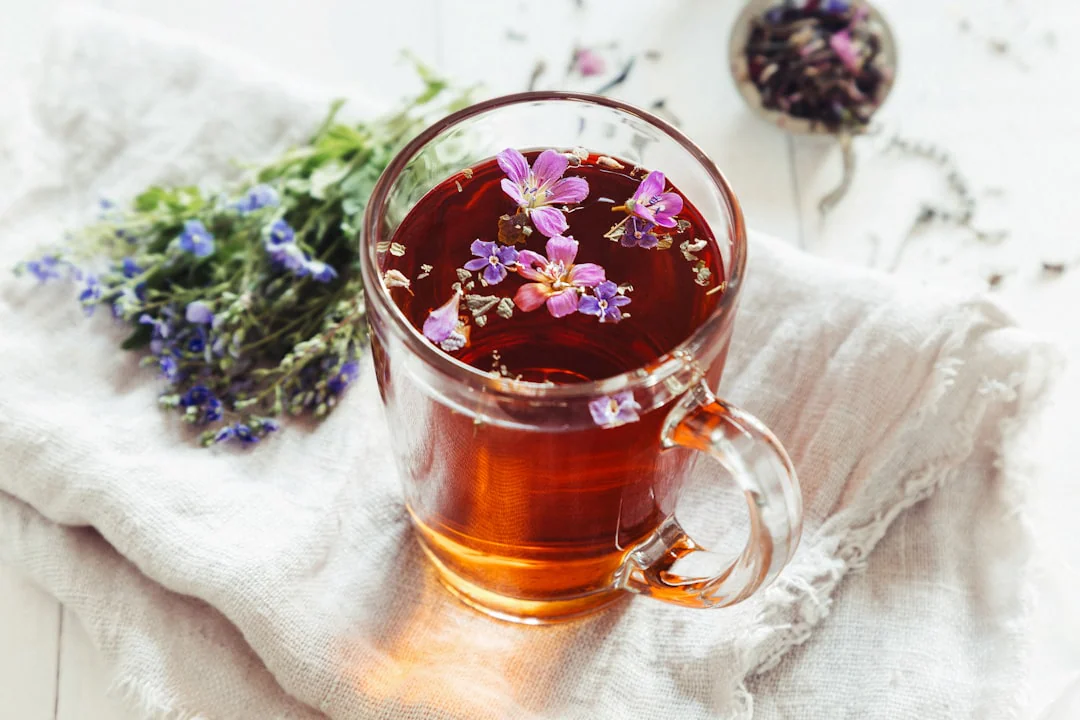
A cold winter morning and a steaming cup of tea make a comforting combination. For many people, the familiar taste of masala chai, with its blend of milk, tea leaves and warming spices, is an essential part of the season. The aroma of ginger, cardamom and cinnamon can make an ordinary morning feel a little more inviting.
However, winter is also an opportunity to explore flavours beyond the usual cup of chai. From the malty richness of Assam tea to the delicate fragrance of saffron-infused kahwa, different tea varieties offer distinct aromas, textures and drinking experiences. Some are best enjoyed with milk, while others reveal their character when brewed without it.
Choosing the right winter tea is not simply about finding the strongest or spiciest blend. The ideal cup depends on personal preference, the time of day and whether you are looking for something bold, refreshing, fragrant or caffeine-free.
Anubha Jhawar, tea sommelier and founder of Celeste, shared her winter tea recommendations with HT Lifestyle. Her guide explores five options for the season and explains how water temperature and steeping time can influence the final flavour.
Jhawar believes colder weather naturally encourages people to reach for fuller, warmer and more comforting flavours. As she explains, “Winter changes the way we experience tea.” While delicate teas still have their place, deeper black teas, warming spices and aromatic botanicals can feel particularly appealing during the colder months.
Why Winter Is a Good Time to Explore Different Teas
Tea is often associated with daily routines, but its range of flavours makes it suitable for different moods and occasions. A strong cup of Assam can provide a satisfying start to the day, while a fragrant herbal infusion may be more appropriate when winding down in the evening.
Winter also makes certain flavour combinations especially inviting. Spices such as cardamom, cinnamon, cloves and black pepper create a warming aroma, while ingredients such as orange peel, rose and saffron add fragrance and complexity.
The type of tea leaves used also matters. Assam tea is known for its malty character, while green tea offers a lighter profile that can be complemented by aromatic ingredients. Herbal infusions provide another option for people who want a warm drink without the caffeine naturally present in traditional tea leaves.
Rather than following a fixed seasonal formula, Jhawar recommends choosing a brew according to the experience you want from it. This makes winter a useful time to experiment with different tea styles and discover combinations that suit individual preferences.
5 Winter Teas to Try for Different Flavours and Moods
From familiar Indian chai to aromatic blends inspired by traditional preparations, these five options offer different ways to enjoy tea during the colder months.
1. Assam Black Tea – For a Malty and Full-Bodied Brew
For tea drinkers who enjoy a strong, flavourful cup, Assam black tea is a natural winter choice. It is known for its malty character and fuller taste, making it suitable for people who prefer a brew with noticeable depth.
Assam tea can be enjoyed on its own or with milk. Adding milk softens the intensity and creates a smoother cup without completely masking the tea’s distinctive character.
Its robust flavour also makes it a versatile base for other preparations. Those who enjoy experimenting with spices can use Assam tea to create stronger blends that retain their character even after milk and additional ingredients are added.
Why try it in winter? Its malty depth and full-bodied flavour make it a satisfying choice for cold mornings and people who prefer a traditional, strong cup of tea.
Best way to enjoy it: Brew with water just off the boil. Add milk if you prefer a softer, creamier flavour.
2. Masala Chai – For a Bold and Warming Morning Cup
Masala chai remains one of India’s most familiar winter beverages. Its combination of strong tea, milk and spices creates a rich cup that is closely associated with cold mornings, family conversations and everyday tea breaks.
For a flavourful masala chai, Jhawar recommends using a strong Assam CTC tea base. CTC, short for crush, tear and curl, refers to a tea-processing method that produces small, compact granules. These release flavour quickly and create a strong brew that can hold up well against milk and spices.
This is particularly important because a weaker tea base may lose its character when combined with several ingredients. A robust Assam CTC blend helps maintain the balance between the tea, milk and spices.
Common masala chai ingredients include:
- Ginger: Adds a sharp, aromatic flavour.
- Cardamom: Brings a sweet, fragrant note.
- Cinnamon: Adds warmth and a naturally sweet aroma.
- Cloves: Contribute a strong, distinctive spice character.
- Black pepper: Provides a sharper, more pronounced flavour.
The exact combination can be adjusted according to personal taste. Some people prefer a ginger-forward cup, while others enjoy the fragrance of cardamom or the deeper spice profile created by cinnamon and cloves.
Why try it in winter? Masala chai offers a familiar, full-bodied flavour that works particularly well when you want a strong, comforting drink.
Best way to enjoy it: Use a strong Assam CTC base and adjust the milk and spice quantities according to your preferred taste.
3. Spiced Black Tea With Orange Peel – For a Citrusy and Aromatic Brew
If you enjoy the warmth of spices but prefer drinking tea without milk, spiced black tea with orange peel offers an interesting alternative. This combination brings together the depth of orthodox black tea, the fragrance of spices and a bright citrus aroma.
Unlike CTC tea, orthodox black tea is produced using methods that generally preserve more of the leaf’s shape. It can offer a different flavour experience, making it suitable for people who enjoy exploring the nuances of black tea.
Adding orange peel introduces a fresh, fragrant note that contrasts with the deeper character of the tea. Its citrus aroma can make the brew feel lighter and more layered without requiring milk or sugar.
Spices can be added to complement the orange peel. The final blend can be adjusted depending on whether you prefer a stronger spice profile or a more delicate citrus fragrance.
This tea is particularly interesting for people who associate winter beverages with spices but want to move beyond conventional masala chai. It offers a different way to enjoy familiar seasonal ingredients.
Why try it in winter? It combines the depth of black tea with the freshness of citrus and the warmth of aromatic spices.
Best way to enjoy it: Brew orthodox black tea with orange peel and your preferred spices, without adding milk.
4. Kahwa – For a Fragrant Green Tea Experience
Kahwa is a fragrant tea preparation associated with Kashmir and is known for its combination of green tea and aromatic ingredients. It offers a different experience from milk-based chai, with a lighter tea base and a distinctive fragrance.
Jhawar recommends combining green tea with cardamom, cinnamon, cloves, rose, almonds and saffron. Each ingredient contributes something different to the final cup.
Cardamom and cinnamon provide warmth, while cloves add a more pronounced spice note. Rose contributes a floral fragrance, and saffron gives the brew its distinctive aroma. Almonds add another layer of texture and make the preparation feel more elaborate.
The combination creates a tea that is aromatic without relying on milk for richness. Its appeal lies in the balance between the green tea base, spices and fragrant additions.
Kahwa can be especially appealing to people who enjoy sipping tea slowly and paying attention to its aroma. It is also a useful option for those who want to explore a traditional preparation beyond everyday masala chai.
Why try it in winter? Its combination of warm spices, floral notes and saffron fragrance makes it an inviting seasonal drink.
Best way to enjoy it: Use hot water that has cooled slightly before brewing the green tea to help preserve a smoother flavour.
5. Herbal Infusions – For a Caffeine-Free Evening Drink
Not every winter cup needs to contain black or green tea. Herbal infusions offer an alternative for people who want something warm in the evening without the caffeine naturally present in conventional tea leaves.
Jhawar suggests exploring different herbal options according to the flavour profile you enjoy. Chamomile offers a floral character, mint provides freshness, and lemongrass brings a citrus-like note.
These infusions can be useful when you want a lighter beverage after a day of drinking stronger tea or coffee. Their flavour profiles are also different enough to make them interesting alternatives to traditional milk-based preparations.
Other ingredients commonly used in warm herbal infusions include:
- Ginger: Adds a sharp and aromatic flavour.
- Tulsi: Offers a distinctive herbal fragrance.
- Cinnamon: Brings a warm, sweet-spice note.
- Mulethi: Adds a naturally sweet herbal flavour.
- Black pepper: Creates a sharper and more pronounced infusion.
These ingredients can be combined in different ways, depending on the desired taste. A simple ginger and tulsi infusion, for example, offers a different experience from a blend featuring cinnamon and black pepper.
It is worth remembering that herbal infusions are not automatically suitable for everyone in unlimited quantities. Some herbs can interact with medicines or may not be appropriate for people with particular health conditions. Those with specific health concerns should check before regularly consuming concentrated herbal preparations.
Why try it in winter? Herbal infusions offer warm, flavourful options for people who prefer a caffeine-free drink in the evening.
Best way to enjoy it: Pour hot water over the selected herbs and allow them to steep for a few minutes before drinking.
How to Choose the Right Winter Tea for Your Mood
With several varieties available, choosing a winter tea becomes easier when you begin with the flavour and experience you want. Some people enjoy strong, milk-based beverages, while others prefer lighter preparations with floral or citrus notes.
Jhawar’s recommendations can be grouped according to their flavour profiles:
- Bold and comforting: Assam black tea or masala chai.
- Citrusy and aromatic: Spiced orthodox black tea with orange peel.
- Fragrant: Kahwa with cardamom, rose and saffron.
- Light and caffeine-free: Chamomile, mint or lemongrass infusions.
The time of day can also influence your choice. A strong black tea or masala chai may suit a morning routine, while a lighter herbal infusion may be preferable later in the evening if you are trying to limit caffeine intake.
There is no universal rule, however. Personal taste, caffeine sensitivity and individual routines should guide the final decision.
How to Brew Winter Tea Without Losing Its Flavour
Choosing good tea leaves is only part of making a satisfying cup. Water temperature and steeping time can significantly influence the flavour, especially when preparing different tea varieties.
Using water that is too hot for delicate tea leaves can produce a bitter or overly astringent brew. On the other hand, water that is not hot enough may fail to bring out the depth of stronger black teas.
Use Water Just Off the Boil for Black Tea
For Assam and other robust black teas, Jhawar recommends using water just off the boil. The higher temperature helps bring out the tea’s fuller flavour and aroma.
This approach is also suitable when preparing a strong base for masala chai. Since the tea will be combined with milk and spices, it needs enough character to remain noticeable in the finished drink.
Let Green Tea Water Cool Slightly
Green tea generally benefits from a lower brewing temperature. Jhawar recommends allowing boiled water to cool to approximately 75–80°C before pouring it over the leaves.
This helps reduce the risk of an excessively bitter cup and allows the tea’s lighter flavours to come through. The advice is particularly relevant when preparing kahwa, where the green tea should work in harmony with ingredients such as saffron, rose and cardamom.
Give Herbal Infusions Enough Steeping Time
Herbal infusions require a slightly different approach. Hot water should be poured over the selected herbs, followed by a few minutes of steeping. Rushing this stage may result in a weaker drink with less-developed flavour.
The exact steeping time can depend on the ingredients and the intensity you prefer. A stronger infusion may need more time, while delicate floral ingredients may require a lighter touch.
Common Mistakes to Avoid When Making Winter Tea
Even good-quality tea can produce a disappointing cup if it is brewed incorrectly. A few simple adjustments can help preserve the flavour and make the preparation more enjoyable.
- Using boiling water for every tea: Different varieties require different temperatures. Green tea generally benefits from cooler water than robust black tea.
- Choosing a weak base for masala chai: A strong Assam CTC tea can hold its flavour better when combined with milk and spices.
- Adding too many spices: Excessive quantities can overpower the tea rather than complement it. Start with a balanced combination and adjust gradually.
- Ignoring steeping time: Tea that is steeped for too long can become overly strong or bitter, depending on the variety.
- Using the same blend throughout the day: Different teas can suit different preferences and occasions. A caffeine-free infusion may be a better evening choice for someone sensitive to caffeine.
Should You Follow Strict Rules for Winter Tea?
Although brewing guidelines can help improve flavour, Jhawar advises against treating winter tea preparation as a rigid set of rules. The objective is to find a cup that suits your mood rather than follow a fixed formula simply because it is winter.
Someone who enjoys a strong morning drink may naturally prefer Assam or masala chai. Another person may find the fragrance of saffron and rose in kahwa more appealing. Those who want to avoid caffeine later in the day can experiment with chamomile, mint or lemongrass.
Her broader suggestion is to think about the experience you want from your tea and choose accordingly. Temperature, ingredients and steeping time are useful starting points, but personal preference should remain central to the process.
The Final Word
Winter offers plenty of opportunities to explore tea beyond the familiar cup of masala chai. From the malty depth of Assam and the bold flavour of spiced tea to the citrus aroma of orange peel, the fragrance of Kashmiri-style kahwa and the lighter character of herbal infusions, each preparation brings something different to the table.
Anubha Jhawar’s recommendations highlight how the right tea can be chosen according to flavour preferences, time of day and mood. They also underline the importance of brewing technique: black tea benefits from water just off the boil, green tea is better prepared with slightly cooler water, and herbal infusions need time to steep.
Ultimately, the best winter brew is the one you enjoy drinking. Whether it is a strong cup of Assam on a chilly morning or a fragrant, caffeine-free infusion in the evening, experimenting with different flavours can make an everyday tea ritual more interesting.
For breaking news and live news updates, like us on Facebook or follow us on Twitter and Instagram. Read more on Latest Lifestyle on thefoxdaily.com.






COMMENTS 0