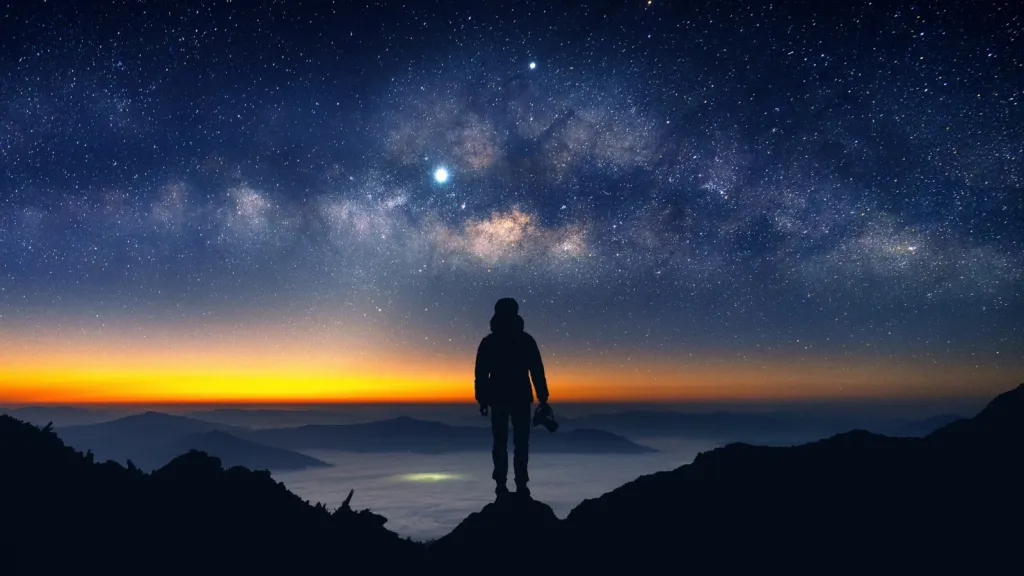
In a world increasingly illuminated by streetlights, buildings and busy urban infrastructure, finding a place where the night sky remains naturally dark is becoming a special experience. Light pollution has made it difficult for many people to see stars clearly, particularly in densely populated cities. However, there are still destinations where the darkness of the night is carefully protected, offering visitors an opportunity to reconnect with the natural world.
dark sky reserves are protected areas recognised for the exceptional quality of their night skies and their commitment to limiting artificial illumination. These destinations encourage responsible outdoor lighting, support Astronomy education and help preserve natural habitats. They also attract travellers interested in Stargazing, astrophotography, wildlife and outdoor adventures.
Unlike conventional tourist attractions, dark sky destinations often reveal their most remarkable features after sunset. On a clear night, visitors may be able to see the Milky Way, recognise familiar constellations and observe thousands of stars that are difficult to distinguish from urban locations. Some reserves also offer access to observatories and organised astronomy experiences.
From remote wilderness areas to mountainous landscapes and coastal regions, here are five dark sky reserves around the world worth adding to your travel wishlist.
1. Aoraki Mackenzie International Dark Sky Reserve, New Zealand
Located on New Zealand’s South Island, the Aoraki Mackenzie International Dark Sky Reserve is one of the most celebrated destinations for stargazing. Covering approximately 4,367 square kilometres, the reserve includes Aoraki/Mount Cook National Park and the Mackenzie Basin. Its expansive landscapes, relatively low levels of artificial lighting and clear night skies make it an appealing destination for astronomy enthusiasts.
The reserve offers opportunities to observe the Milky Way, constellations and other celestial sights. Its remote setting allows visitors to experience a much darker sky than they might encounter in major cities. The surrounding mountains also provide a dramatic backdrop for night-sky photography, making the region attractive to both casual travellers and experienced astrophotographers.
One of the most interesting aspects of Aoraki Mackenzie is its cultural significance. The region has strong connections with Māori heritage, particularly traditional knowledge of the stars. Māori communities have historically used celestial observations for navigation and to understand seasonal changes. The night sky therefore represents not only a scientific subject but also an important part of cultural knowledge and identity.
Visitors can combine stargazing with daytime exploration of the surrounding alpine environment. The landscape offers opportunities to appreciate New Zealand’s mountain scenery before returning after sunset to experience the darkness that makes the reserve internationally recognised.
Why visit Aoraki Mackenzie?
- Explore one of the largest dark sky reserves in the Southern Hemisphere.
- Enjoy opportunities to observe the Milky Way and southern constellations.
- Discover the connection between Māori culture, traditional navigation and astronomy.
- Combine night-sky observation with mountain scenery and outdoor exploration.
For travellers visiting New Zealand, Aoraki Mackenzie offers a memorable combination of natural beauty, cultural heritage and astronomy.
2. NamibRand Nature Reserve, Namibia
In southwestern Namibia, the NamibRand Nature Reserve offers a distinctive stargazing experience surrounded by vast desert landscapes. Known as one of Africa’s largest private nature reserves, it is located in a remote region where limited artificial lighting helps preserve the natural darkness of the night sky.
The desert environment gives the reserve a special appeal. Unlike destinations where mountains, forests or coastal settlements dominate the landscape, NamibRand offers wide-open horizons and expansive stretches of land. These surroundings create an impressive setting for observing the stars, particularly when the weather is clear and visibility is favourable.
Visitors can experience open-air stargazing and observe the night sky against the dramatic desert landscape. The relative absence of nearby urban illumination makes it easier to appreciate the brightness and scale of celestial features that often disappear from view in heavily lit areas. The Milky Way can be particularly striking under suitable conditions.
NamibRand’s conservation efforts extend beyond astronomy. The reserve also focuses on protecting wildlife and natural habitats. Preserving darkness is part of maintaining the character of the environment, while responsible lighting helps reduce unnecessary disturbance to the surrounding ecosystem.
The destination is especially attractive to travellers looking for a quieter, nature-focused holiday. Stargazing can become part of a broader desert experience, allowing visitors to appreciate the landscape during the day and the sky after sunset.
Why visit NamibRand?
- Experience stargazing in a remote southwestern African desert.
- Enjoy expansive views of the night sky away from major sources of artificial light.
- Combine astronomy with wildlife and natural habitat conservation.
- Explore a distinctive landscape suited to outdoor photography and nature-focused travel.
For those who want to experience the night sky in a peaceful desert setting, NamibRand is an appealing destination.
3. Kerry International Dark Sky Reserve, Ireland
Situated on the Iveragh Peninsula in County Kerry, Ireland, the Kerry International Dark Sky Reserve offers a combination of coastal scenery, mountains and rural landscapes. Its relatively low levels of artificial illumination make it a recognised destination for people interested in astronomy and natural night skies.
The reserve’s landscape gives stargazing a different character from the experience offered by desert or mountain destinations. Visitors can enjoy views of the night sky above a region known for its rugged coastline, open countryside and surrounding hills. When the skies are clear, the Milky Way and prominent constellations may become visible.
Kerry also has historical connections with astronomy. Ancient stone monuments found in the wider region suggest that early inhabitants paid attention to celestial movements and the changing patterns of the sky. Although the exact purpose of individual monuments may differ, they provide an interesting link between the landscape’s past and humanity’s long-standing curiosity about the heavens.
This historical dimension adds depth to a visit. Stargazing becomes an opportunity to think about how earlier communities observed the Sun, Moon and stars to understand their surroundings. Long before modern telescopes and astronomical technology, celestial movements played an important role in human knowledge and navigation.
Travellers can also explore the wider County Kerry region, making the reserve a useful addition to an itinerary focused on Ireland’s natural landscapes and heritage. Its combination of coastal views, rural surroundings and dark skies makes it suitable for visitors who want more than a conventional astronomy experience.
Why visit Kerry?
- Enjoy dark-sky views across a scenic coastal and mountainous region.
- Look for the Milky Way and constellations when weather conditions permit.
- Explore the area’s historical connections with ancient monuments and celestial observation.
- Combine stargazing with countryside exploration and coastal sightseeing.
Kerry is a particularly attractive choice for travellers who want to combine astronomy with Ireland’s natural and historical attractions.
4. Mont-Mégantic International Dark Sky Reserve, Canada
Located in Quebec, Canada, the Mont-Mégantic International Dark Sky Reserve is an important destination in the history of dark-sky conservation. Designated in 2007, it became the world’s first International Dark Sky Reserve, highlighting the importance of protecting naturally dark environments from excessive artificial illumination.
The reserve is known for its astronomical observatory and coordinated efforts to control light pollution. Its designation reflects a broader approach to conservation, involving not only the protection of a particular landscape but also responsible lighting practices in the surrounding communities.
Several municipalities in the region follow outdoor lighting regulations designed to preserve the quality of the night sky. These measures help reduce unnecessary brightness and demonstrate how local communities can contribute to protecting opportunities for astronomical observation.
The Mont-Mégantic Observatory is one of the region’s major attractions for visitors interested in learning about space. Astronomy-related experiences provide an opportunity to understand celestial objects and the science behind observing the universe. The destination can therefore appeal to beginners as well as people who already have an interest in astronomy.
The surrounding mountain landscape also adds to its appeal. Visitors can explore the natural environment during daylight hours and turn their attention to the night sky after sunset. This combination of scientific learning and outdoor exploration makes Mont-Mégantic a distinctive travel destination.
Why visit Mont-Mégantic?
- Discover the world’s first International Dark Sky Reserve, designated in 2007.
- Explore a destination known for its astronomical observatory.
- Learn how local lighting regulations help protect night-sky quality.
- Combine astronomy experiences with mountain landscapes and outdoor activities.
Mont-Mégantic is an excellent destination for travellers who want to understand the relationship between astronomy, science education and environmental conservation.
5. Central Idaho Dark Sky Reserve, USA
The Central Idaho Dark Sky Reserve in the United States offers a stargazing experience shaped by remote wilderness and rugged mountain scenery. Its limited infrastructure and relatively isolated location help preserve naturally dark skies, making it an attractive destination for people looking to escape the brightness of urban areas.
Stanley Lake is one of the places where visitors can enjoy views of the stars and surrounding mountains. The landscape creates an impressive setting for night-sky observation, particularly when cloud cover is limited and the Moon is not too bright. The combination of mountain silhouettes and a star-filled sky also offers opportunities for landscape and astrophotography.
Central Idaho is not only a destination for astronomy enthusiasts. Its wilderness setting makes it suitable for travellers interested in outdoor activities. During the day, visitors can explore the region through hiking, backpacking and horseback riding. This allows a trip to combine adventure with quieter evenings spent observing the sky.
The remote nature of the reserve also means that planning is important. Visitors should check local access arrangements, weather conditions and available facilities before travelling. Unlike destinations with extensive urban infrastructure, wilderness areas may require additional preparation, particularly for those planning to stay outdoors after dark.
For travellers who enjoy spending time in nature, Central Idaho offers a chance to experience two different sides of the landscape: its rugged terrain during the day and its naturally dark skies at night.
Why visit Central Idaho?
- Experience stargazing in a remote wilderness environment.
- Enjoy views of stars and mountain landscapes around Stanley Lake.
- Explore hiking, backpacking and horseback riding opportunities.
- Combine outdoor adventure with night-sky observation.
Central Idaho is a compelling option for visitors who want a wilderness holiday that includes opportunities to explore the night sky.
Why are dark sky reserves important?
Dark sky reserves are important because natural darkness is increasingly affected by artificial lighting. Streetlights, illuminated advertisements, buildings, vehicles and industrial facilities can brighten the night sky, making faint stars and other celestial objects difficult to see. This phenomenon is known as light pollution.
Although outdoor lighting is important for visibility and safety, poorly directed or excessive illumination can spread beyond the areas where it is needed. Dark-sky initiatives encourage communities and businesses to use lighting more responsibly, helping preserve the natural appearance of the night sky.
The benefits extend beyond astronomy. Many animals depend on natural patterns of light and darkness for feeding, movement, reproduction and navigation. Artificial illumination can interfere with these behaviours, particularly for wildlife that is active at night or relies on natural light cues.
Protecting dark skies can therefore support wider environmental conservation efforts. It also helps preserve opportunities for scientific observation, astronomy education and nature-based tourism. These reserves demonstrate that communities can balance the need for outdoor lighting with the importance of maintaining naturally dark environments.
How to plan a stargazing trip to a dark sky reserve
Visiting a recognised dark sky destination does not automatically guarantee perfect viewing conditions. Weather, cloud cover, Moon brightness and seasonal changes can all influence what visitors are able to see. Planning ahead can help make the experience more rewarding.
1. Check the weather forecast
Clear skies are essential for observing stars and other celestial objects. Before travelling, check the local forecast and look for nights with limited cloud cover. Weather conditions can change, particularly in mountainous and coastal regions, so it is worth remaining flexible with viewing plans.
2. Consider the Moon phase
The brightness of the Moon can affect how many stars are visible. A bright full Moon can make fainter celestial objects harder to distinguish. Travellers hoping to observe the Milky Way or other faint features may prefer to plan their visit around the new Moon, when the night sky is generally darker.
3. Give your eyes time to adjust
Human eyes need time to adapt to darkness. Avoid looking directly at bright phone screens, vehicle headlights or white torches while observing the sky. If you need a light source, consider a low-intensity red light where permitted, as it is generally less disruptive to night vision.
4. Check visitor facilities and local regulations
Some reserves have designated viewing locations, guided astronomy programmes or observatory experiences. Check official visitor information before travelling to understand access arrangements, opening hours, booking requirements and seasonal restrictions. Visitors should also respect private property and protected wildlife habitats.
5. Dress for nighttime conditions
Temperatures can fall considerably after sunset, even in destinations that feel warm during the day. Carry suitable clothing, water and essential supplies, especially if you plan to spend several hours outdoors. Travellers visiting remote areas should also plan transport and accommodation in advance.
Experience the night sky beyond city lights
Dark sky reserves offer something increasingly difficult to find in modern travel: the opportunity to experience the night without the constant glow of artificial illumination. Each destination has its own character, from the mountain scenery and Māori heritage of Aoraki Mackenzie to the desert landscapes of NamibRand, the coastal surroundings of Kerry, the astronomical history of Mont-Mégantic and the wilderness of Central Idaho.
These protected areas also demonstrate why preserving darkness matters. Responsible lighting practices can help protect wildlife, support astronomy and maintain the natural character of landscapes for future generations.
For travellers, a visit to a dark sky reserve can be more than another sightseeing experience. It offers an opportunity to slow down, look beyond the immediate landscape and appreciate the stars that have inspired human curiosity, navigation and exploration for centuries.
Disclaimer: Stargazing conditions depend on weather, cloud cover, Moon phase and local light levels. Visitors should check official tourism and reserve information for current access arrangements, visitor facilities and local guidelines before planning their trip.
For breaking news and live news updates, like us on Facebook or follow us on Twitter and Instagram. Read more on Latest Lifestyle on thefoxdaily.com.



COMMENTS 0