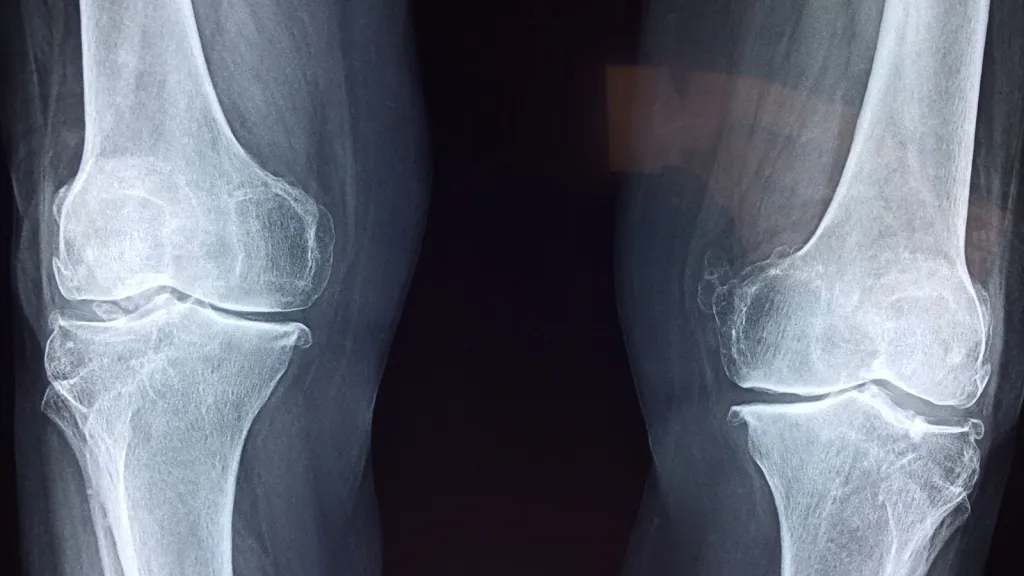
Although rainy weather does not directly cause Arthritis or permanently damage joints, changes in barometric pressure, temperature, humidity, and the body’s pain-processing mechanisms may temporarily worsen symptoms in susceptible individuals. Experts emphasize that weather is only one of many factors affecting chronic pain, and responses vary significantly from person to person.
Can Rain Really Make Joint Pain Worse?
The short answer is yes—for some people.
Many individuals with osteoarthritis, rheumatoid arthritis, old fractures, tendon injuries, or chronic pain conditions report worsening symptoms before or during rainy weather.
However, not everyone experiences weather-related pain, and researchers continue to study why some people are more sensitive than others.
What Is Barometric Pressure?
Barometric pressure, also known as atmospheric pressure, is the weight of the air pressing down on the Earth’s surface.
Before rainfall or storms, atmospheric pressure often decreases.
Some researchers believe these pressure changes may influence tissues surrounding already sensitive joints and nerves, contributing to increased discomfort in certain individuals.
How Changes in Barometric Pressure May Affect Joints
One proposed explanation involves subtle changes in pressure around tissues that have previously been injured or are already inflamed.
When atmospheric pressure falls:
- Soft tissues may expand slightly.
- Sensitive joints may experience additional stress.
- Inflamed tissues may become more noticeable.
- Nerves already sensitized by injury may react more strongly.
Although these physical changes are small, they may be enough to trigger discomfort in people with chronic musculoskeletal conditions.
| Weather Change | Possible Effect on the Body |
|---|---|
| Lower barometric pressure | Greater sensitivity in affected joints and tissues |
| Cold temperatures | Muscle stiffness and reduced flexibility |
| Higher humidity | May increase discomfort in some individuals |
| Reduced physical activity during rain | Joint stiffness from prolonged inactivity |
Cold Weather Can Increase Stiffness
Lower temperatures may contribute to muscle and joint stiffness by affecting blood circulation and tissue flexibility.
Cold weather may cause:
- Tighter muscles.
- Reduced joint flexibility.
- Stiffer tendons.
- Reduced mobility.
- Greater discomfort during movement.
This stiffness may make existing joint pain feel more noticeable.
The Nervous System Plays an Important Role
Pain is not determined solely by the condition of the joints. The nervous system also influences how pain is experienced.
Following injury, surgery, or chronic inflammation, nerves can become more sensitive—a process often referred to as pain sensitisation.
When this occurs, relatively minor physical or environmental changes may trigger stronger pain signals than would normally occur.
Who Is Most Likely to Experience Weather-Related Joint Pain?
Weather sensitivity appears to be more common among people living with chronic musculoskeletal conditions.
These may include:
- Osteoarthritis.
- Rheumatoid arthritis.
- Fibromyalgia.
- Chronic back pain.
- Previous fractures.
- Joint replacement surgery.
- Tendon injuries.
- Certain nerve pain conditions.
Individual experiences vary considerably, and not everyone with these conditions notices weather-related changes.
Why Research Findings Differ
Scientific studies investigating weather-related pain have produced mixed results.
Some research has found associations between weather changes and increased pain, while other studies have reported little or no measurable effect.
Differences may arise because pain is influenced by multiple factors beyond weather alone.
Other Factors That May Worsen Pain During Rainy Weather
Rain itself is unlikely to be the only reason symptoms worsen.
Several lifestyle changes that commonly occur during rainy periods may also contribute.
- Reduced physical activity.
- Longer periods of sitting indoors.
- Poor sleep.
- Stress.
- Lower mood.
- Changes in routine.
These factors can influence both physical discomfort and pain perception.
| Possible Contributor | How It May Affect Pain |
|---|---|
| Inflammation | Increases joint sensitivity |
| Muscle stiffness | Reduces mobility |
| Nerve sensitisation | Amplifies pain signals |
| Physical inactivity | Causes joints to become stiffer |
| Poor sleep | Lowers pain tolerance |
Managing Weather-Related Joint Pain
Although the weather cannot be controlled, several strategies may help reduce discomfort.
- Stay physically active.
- Perform gentle stretching exercises.
- Keep joints warm.
- Maintain a healthy body weight.
- Follow prescribed treatment plans.
- Practice good sleep habits.
Regular movement often helps reduce stiffness more effectively than prolonged rest.
The Importance of Exercise
People with arthritis sometimes avoid movement because they fear worsening pain.
However, appropriate physical activity can:
- Strengthen muscles.
- Improve joint flexibility.
- Maintain range of motion.
- Support weight management.
- Reduce long-term stiffness.
Low-impact activities such as walking, swimming, cycling, and stretching are commonly recommended for many people with joint conditions.
When Should You See a Doctor?
Occasional increases in joint discomfort during weather changes are generally not an emergency.
However, medical evaluation is important if joint pain is accompanied by:
- Persistent swelling.
- Redness.
- Severe warmth around the joint.
- Sudden inability to move the joint.
- Fever.
- Rapid worsening of symptoms.
These signs may indicate an underlying condition requiring prompt medical attention.
Can Weather Predict Future Joint Damage?
No.
Although weather may temporarily influence pain or stiffness in some people, there is no evidence that rain or atmospheric pressure directly damages joints or accelerates arthritis progression.
Pain intensity and disease progression are separate issues.
The Bigger Picture: Chronic Pain Is Complex
Joint pain is influenced by a combination of biological, psychological, and lifestyle factors.
Weather represents just one possible contributor among many.
Age, inflammation, previous injuries, physical fitness, sleep quality, stress levels, and underlying medical conditions all play important roles in determining how pain is experienced.
Conclusion
Many people living with arthritis, previous injuries, fibromyalgia, or chronic pain notice worsening symptoms before rainy weather, and emerging evidence suggests that changes in barometric pressure, colder temperatures, and nervous system sensitisation may partly explain these experiences. However, responses to weather vary widely, and researchers continue to investigate the biological mechanisms involved.
While weather itself cannot be changed, maintaining regular physical activity, protecting joints from cold temperatures, following appropriate medical treatment, and adopting healthy lifestyle habits can help reduce discomfort. Anyone experiencing persistent or worsening joint pain should consult a qualified healthcare professional for an accurate diagnosis and personalised treatment plan rather than relying solely on weather patterns to explain their symptoms.
For breaking news and live news updates, like us on Facebook or follow us on Twitter and Instagram. Read more on Latest Lifestyle on thefoxdaily.com.


COMMENTS 0