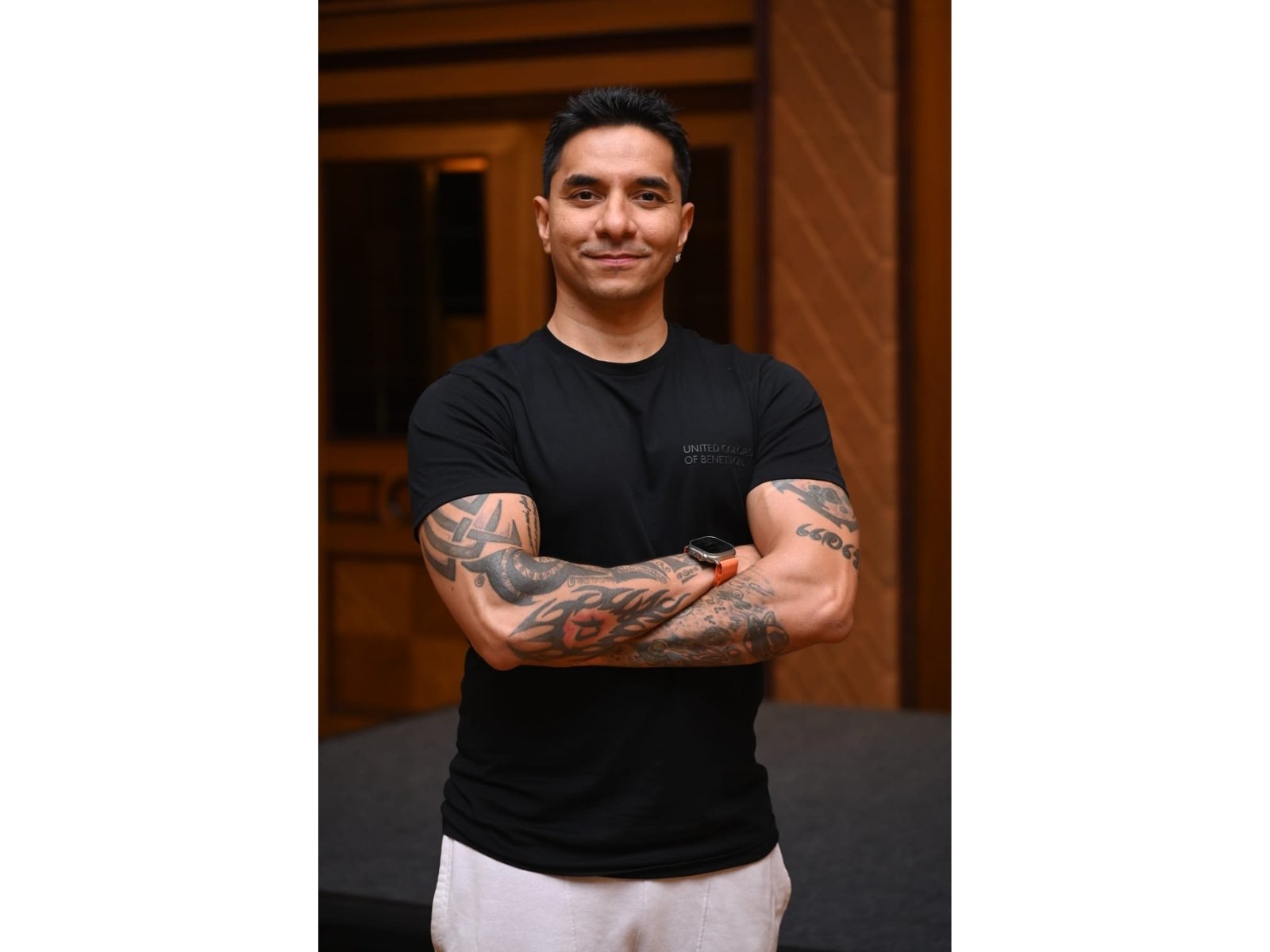
Wellness expert Luke Coutinho has announced the launch of Foundational Medicine and Lifestyle Certification, Level 1: “Find Your Rhythm,” an immersive learning programme designed to explore the role of everyday lifestyle foundations in long-term health and well-being. The one-day classroom experience is scheduled for September 26, 2026, from 9 AM onwards at Taj Lands’ End in Mumbai, according to the announcement. 0
The programme comes at a time when conversations around preventive healthcare are increasingly shifting beyond individual symptoms and towards nutrition, movement, sleep, emotional well-being and other lifestyle factors. Coutinho’s approach places these everyday foundations at the centre of a broader framework known as Foundational Medicine.
What Is Luke Coutinho’s Foundational Medicine Certification?
The new Foundational Medicine and Lifestyle Certification – Level 1: Find Your Rhythm is positioned as an educational experience focused on understanding the fundamentals of lifestyle and health.
Rather than treating wellness as a collection of isolated habits, the Foundational Medicine framework promoted by Coutinho and Team Luke looks at how multiple aspects of everyday life interact with the body’s ability to function and adapt.
According to Team Luke, its Foundational Medicine approach focuses on six lifestyle pillars: food, movement, sleep, emotional well-being, environment and breath. 1
The philosophy is described as complementary to medical care rather than a replacement for conventional treatment. The stated objective is to strengthen lifestyle foundations so that healthcare, nutrition and other interventions can work alongside healthier daily routines. 2
When and Where Will “Find Your Rhythm” Take Place?
The Level 1 certification is scheduled as a one-day immersive classroom experience on Saturday, September 26, 2026, beginning at 9 AM.
The programme will take place at Taj Lands’ End in Mumbai, providing participants with an in-person setting for learning and engagement.
The classroom format is significant because lifestyle education often involves more than simply receiving information. Interactive discussions and practical learning can help participants connect broad health concepts with their own routines and behaviours.
Why Lifestyle Foundations Are Becoming More Important
Modern healthcare has become increasingly sophisticated, but many of the factors that influence everyday health remain surprisingly basic.
Food choices, physical activity, sleep quality, stress management and environmental exposures can influence how people feel and function over time. These factors also interact with one another.
For example, poor sleep can affect energy and food choices, while a sedentary routine can influence metabolic health and sleep. Persistent stress can affect eating patterns and recovery, while an imbalanced diet can make it harder to maintain energy and physical performance.
This interconnectedness is one reason lifestyle medicine and preventive health have become increasingly prominent areas of public discussion.
Six Pillars Behind the Foundational Medicine Approach
Team Luke describes Foundational Medicine through six core lifestyle pillars. These provide a framework for understanding health as an interconnected process rather than a collection of separate problems. 3
1. Food
Nutrition is one of the most visible components of lifestyle health. The quality, quantity and pattern of food intake can influence energy, metabolic health and overall nutritional status.
A foundational approach to nutrition focuses on sustainable eating habits rather than short-lived restrictive diets. Individual nutritional requirements, medical conditions, cultural food practices and personal circumstances also need to be considered.
2. Movement
Regular movement is another key foundation. Physical activity is not limited to formal gym workouts. Walking, strength training, mobility exercises, sports and other forms of movement can contribute to physical fitness.
Maintaining muscle strength and cardiovascular capacity becomes particularly important across adulthood and later life.
3. Sleep
Sleep is often treated as something people sacrifice when schedules become busy, but it is an important part of recovery and everyday functioning.
A lifestyle programme that includes sleep encourages people to consider not only how long they sleep but also whether their daily routines support consistent and restorative rest.
4. Emotional Well-Being
Mental and emotional well-being are closely connected with lifestyle. Stress, emotional eating, work pressure and inadequate recovery can all influence health behaviours.
Recognising emotional well-being as a foundational pillar places psychological health alongside nutrition and physical activity rather than treating it as an unrelated issue.
5. Environment
The environment in which people live and work can influence their lifestyle choices. Food availability, air quality, work conditions, social surroundings and daily routines can all shape health behaviours.
Considering environmental factors can therefore provide a broader understanding of why people may struggle to maintain healthy habits.
6. Breath
Breathing is another pillar included in the Foundational Medicine framework. Breath-focused practices are often incorporated into wellness routines for relaxation, awareness and stress management.
As with other lifestyle practices, breathing techniques should complement appropriate medical care rather than be presented as substitutes for treatment of medical conditions.
“Find Your Rhythm” Focuses on Sustainable Lifestyle Change
The title “Find Your Rhythm” reflects an important principle in sustainable wellness: there is rarely a single routine that works identically for everyone.
People have different work schedules, sleep patterns, cultural diets, family responsibilities, fitness levels and health requirements. A sustainable lifestyle therefore needs to fit realistically into an individual’s circumstances.
Instead of pursuing perfection, lifestyle education can help people identify routines they can maintain consistently.
From Wellness Trends to Structured Education
The launch of a formal certification programme also reflects the growing interest in wellness education in India.
Nutrition, fitness, sleep and preventive health have become major areas of public interest, particularly as lifestyle-related conditions such as obesity and diabetes become increasingly prominent.
However, the expansion of wellness information also creates a challenge: consumers are exposed to an enormous amount of conflicting health advice online.
Structured education can potentially help participants understand the difference between general wellness principles, evidence-based health information and claims that require stronger scientific support.
Foundational Medicine Is Not a Replacement for Medical Treatment
One of the important distinctions in Coutinho’s framework is its stated positioning alongside medical care.
Team Luke explicitly describes Foundational Medicine as a framework that works alongside medical treatment rather than replacing it. 4
This distinction matters because lifestyle interventions can support health, but medical conditions may require diagnosis, medication, surgery or other evidence-based treatment.
People with diabetes, cardiovascular disease, cancer, kidney disease, hormonal disorders or other medical conditions should not discontinue prescribed treatment because of lifestyle advice without consulting their healthcare professionals.
Who May Be Interested in the Certification?
The programme may appeal to people interested in expanding their understanding of lifestyle-based wellness and preventive health.
Potentially interested audiences could include wellness professionals, health coaches, fitness professionals, nutrition-focused practitioners and individuals who want a deeper understanding of lifestyle foundations.
The precise eligibility requirements, certification structure and professional scope should be assessed through the programme’s official information before enrolment.
Why “Find Your Rhythm” Matters in the Preventive Health Conversation
Preventive healthcare increasingly emphasises reducing risk before health problems become more complicated.
For many people, this means paying attention to habits long before the appearance of a major diagnosis. Maintaining a nutritious diet, staying physically active, getting adequate sleep and managing stress can form part of a broader strategy for long-term health.
However, prevention is not simply about individual willpower. Socioeconomic circumstances, work schedules, food environments, healthcare access and community infrastructure can all affect a person’s ability to maintain healthy behaviours.
A comprehensive lifestyle framework therefore needs to acknowledge both individual choices and the environments in which those choices are made.
Luke Coutinho’s Broader Wellness Platform
The new certification sits within a broader ecosystem of wellness education and programmes developed by Luke Coutinho and Team Luke.
The organisation currently describes its work as being centred around personalised wellness programmes, consultations, self-paced courses, masterclasses, corporate wellness initiatives and educational resources. 5
Its programmes cover areas including nutrition, gut health, weight management, hormonal health, pregnancy support, children’s nutrition and lifestyle support alongside medical care. 6
This broader platform reflects a foundations-first philosophy in which lifestyle habits are considered an important component of long-term health management.
The Growing Importance of Personalised Lifestyle Guidance
One challenge with generic wellness advice is that people can respond differently to the same intervention.
Age, genetics, existing health conditions, medication, dietary preferences, activity levels and social circumstances can all influence what is practical and appropriate.
This is why personalised guidance has become an increasingly important concept in preventive health. Instead of recommending an identical routine to everyone, practitioners can consider the individual’s circumstances and help identify realistic changes.
At the same time, personalisation should remain grounded in sound evidence. A personalised recommendation is not automatically an effective or scientifically validated intervention simply because it is tailored to an individual.
What Participants Can Take Away From a Foundations-First Approach
The broader message behind the certification is that health is influenced by a collection of interconnected daily behaviours.
Participants exploring this approach may come away with a greater understanding of how food, movement, sleep, emotional health, environment and breathing fit into a wider lifestyle picture.
The most useful outcome of such education may ultimately be practical: learning how to translate broad health principles into routines that can be maintained over months and years.
Luke Coutinho Certification: The Bigger Picture
The launch of Foundational Medicine and Lifestyle Certification, Level 1: Find Your Rhythm comes as preventive health and lifestyle education continue to attract growing attention.
Its foundations-first philosophy places everyday behaviours at the centre of the discussion while positioning lifestyle support as complementary to medical care.
The September 26 classroom programme in Mumbai represents the first level of the announced certification pathway and is designed around immersive learning rather than a purely self-paced digital format. 7
Ultimately, “Find Your Rhythm” reflects a broader shift in wellness thinking: long-term health is not built through one quick intervention, but through sustainable foundations involving how people eat, move, sleep, manage emotions, interact with their environment and approach everyday well-being.
For breaking news and live news updates, like us on Facebook or follow us on Twitter and Instagram. Read more on Latest Lifestyle on thefoxdaily.com.



COMMENTS 0