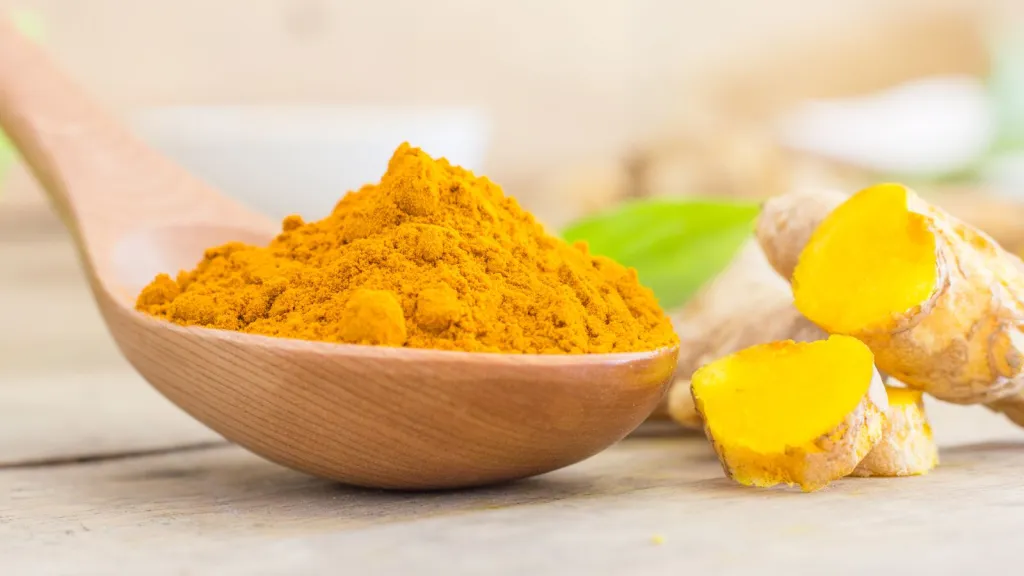
Meghalaya’s famous Lakadong turmeric has once again captured national attention following the launch of the ₹175.45-crore Mission Golden Spice, an initiative aimed at expanding the cultivation, processing and global reach of this premium turmeric variety. Renowned for its naturally high curcumin content and Geographical Indication (GI) tag, Lakadong turmeric is increasingly being promoted as a high-value agricultural product with potential Health and economic benefits.
But does Lakadong turmeric truly offer more health advantages than the regular haldi commonly found in Indian kitchens? While experts agree that its naturally higher concentration of curcumin makes it unique, they also emphasize that no single food should be viewed as a miracle cure. The overall benefits depend on diet, lifestyle, quality of the product and how turmeric is consumed.
Understanding what sets Lakadong turmeric apart can help consumers make informed choices while appreciating the importance of preserving India’s traditional agricultural heritage.
What Is Lakadong Turmeric?
Lakadong turmeric is a premium variety of turmeric grown primarily in the Lakadong region of Meghalaya’s West Jaintia Hills. The spice has earned a Geographical Indication (GI) tag because of its unique characteristics, which are closely linked to the region’s climate, soil composition and traditional cultivation methods.
Unlike mass-produced turmeric varieties, Lakadong turmeric is valued for its naturally vibrant colour, rich aroma and notably high curcumin concentration.
Its increasing popularity has made it one of India’s most sought-after specialty spices in domestic and international markets.
Why Is Lakadong Turmeric Different From Regular Haldi?
The primary distinction lies in its curcumin content, the naturally occurring compound responsible for many of turmeric’s biological properties.
Most commercially available turmeric varieties contain moderate levels of curcumin. Lakadong turmeric is known for having significantly higher natural concentrations, making it attractive for food, wellness and nutraceutical industries.
Apart from curcumin, Lakadong turmeric is also appreciated for:
- Its deep golden-yellow colour.
- Strong natural aroma.
- Traditional cultivation practices.
- Premium quality associated with its GI status.
- Minimal industrial processing in many production systems.
What Is Curcumin and Why Is It Important?
Curcumin is the principal bioactive compound found in turmeric. It has been widely studied for its antioxidant and anti-inflammatory properties.
Researchers continue investigating its potential role in supporting various aspects of health, including:
- Reducing oxidative stress.
- Supporting the body’s natural inflammatory response.
- Joint health.
- Brain health.
- Cardiovascular wellness.
- Healthy ageing.
However, experts caution that much of the scientific research involves concentrated curcumin extracts rather than culinary quantities of turmeric used in everyday cooking.
Does Higher Curcumin Mean Greater Health Benefits?
A higher curcumin content may increase the amount of this beneficial compound available in the spice, but it does not automatically guarantee dramatically better health outcomes.
Several factors influence how much curcumin the body actually absorbs, including:
- Method of preparation.
- Quantity consumed.
- Individual digestive health.
- Whether it is consumed with healthy fats.
- Presence of black pepper, which contains piperine that can improve curcumin absorption.
Therefore, while Lakadong turmeric provides more curcumin naturally, its health effects should be considered within the context of an overall balanced diet.
Mission Golden Spice: Boosting Meghalaya’s Premium Turmeric
The launch of the ₹175.45-crore Mission Golden Spice represents a significant effort to strengthen the cultivation and value chain of Lakadong turmeric.
The initiative aims to:
- Increase turmeric production.
- Improve farmer incomes.
- Strengthen processing infrastructure.
- Enhance quality standards.
- Expand exports.
- Promote Meghalaya as a premium spice-producing region.
By supporting farmers and improving market access, the mission also seeks to preserve traditional agricultural knowledge while creating sustainable rural livelihoods.
What Does a GI Tag Mean?
A Geographical Indication (GI) tag identifies products whose quality or reputation is closely linked to a specific geographical region.
For Lakadong turmeric, the GI tag recognizes:
- Its unique growing environment.
- Traditional farming expertise.
- Distinct quality characteristics.
- Regional identity.
The GI status also helps protect the product from imitation while improving its market value nationally and internationally.
Lakadong Turmeric vs Regular Turmeric
| Feature | Lakadong Turmeric | Regular Turmeric |
| Origin | West Jaintia Hills, Meghalaya | Grown across many Indian states |
| GI Tag | Yes | Usually No |
| Curcumin Content | Naturally higher | Generally moderate |
| Colour | Deep golden-yellow | Varies by variety |
| Market Position | Premium specialty spice | Everyday household spice |
| Health Benefits | Depends on overall diet and absorption | Also supports healthy nutrition when consumed as part of a balanced diet |
How to Include Turmeric in a Healthy Diet
Turmeric has been an integral part of Indian cuisine for centuries. Whether using Lakadong or regular turmeric, it can easily be incorporated into everyday meals.
- Add it to dals and curries.
- Use it in vegetable preparations.
- Include it in soups.
- Mix it into rice dishes.
- Prepare traditional turmeric milk when appropriate.
- Combine it with black pepper and healthy fats to improve curcumin absorption.
Moderate, consistent dietary use is generally considered more practical than consuming excessive amounts.
Can Turmeric Replace Medicines?
No. Although turmeric contains biologically active compounds, it should not replace prescribed medications or medical treatment.
People with chronic illnesses should consult healthcare professionals before taking high-dose turmeric or curcumin supplements, particularly if they:
- Take blood-thinning medications.
- Have gallbladder disease.
- Are preparing for surgery.
- Are pregnant or breastfeeding.
- Have chronic liver or kidney disease.
Using turmeric as part of a balanced diet is very different from consuming concentrated supplements.
Economic Importance Beyond Nutrition
The growing popularity of Lakadong turmeric extends beyond its potential health benefits. It also represents an opportunity for sustainable rural development.
Expanding premium spice production can:
- Increase farmers’ incomes.
- Create employment opportunities.
- Promote value-added food processing.
- Strengthen agricultural exports.
- Encourage preservation of traditional farming practices.
Such initiatives demonstrate how indigenous crops can contribute to both public health awareness and regional economic growth.
What Consumers Should Know Before Buying
When purchasing Lakadong turmeric, consumers should look for:
- Authentic sourcing information.
- Reliable quality certification where available.
- Proper packaging.
- Fresh aroma and natural colour.
- Trusted sellers with transparent supply chains.
Because of its premium reputation, verifying authenticity becomes increasingly important as demand grows.
The Future of India’s Premium Spices
India has long been recognized as one of the world’s leading producers of spices. Premium regional varieties such as Lakadong turmeric demonstrate how traditional agriculture can create products that appeal to modern global markets.
With increasing consumer interest in natural ingredients, functional foods and sustainable farming, specialty spices are likely to become an even more important part of India’s agricultural economy.
Conclusion
Lakadong turmeric stands out because of its naturally high curcumin content, GI recognition and deep connection to Meghalaya’s agricultural heritage. While its higher concentration of beneficial compounds makes it an attractive premium spice, experts emphasize that its health value should be viewed as part of an overall healthy lifestyle rather than as a standalone solution.
The launch of Mission Golden Spice highlights both the nutritional interest and economic potential of this unique turmeric variety. By supporting farmers, preserving traditional cultivation practices and expanding global recognition, the initiative positions Lakadong turmeric as both a symbol of regional excellence and a valuable contributor to India’s growing specialty food sector.
For breaking news and live news updates, like us on Facebook or follow us on Twitter and Instagram. Read more on Latest Lifestyle on thefoxdaily.com.





COMMENTS 0