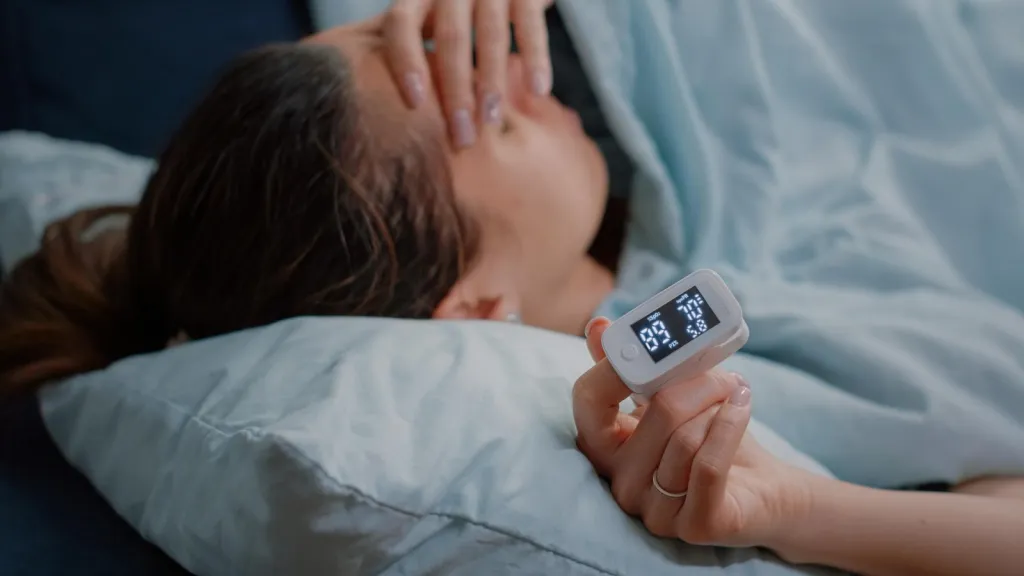
Waking up suddenly in the middle of the night, experiencing unusual sweating or feeling exhausted despite spending enough hours in bed may sometimes be linked to fluctuations in blood glucose. While sleep disturbances are commonly associated with stress, anxiety, irregular routines and lifestyle habits, low blood sugar can also interfere with the body’s ability to maintain uninterrupted sleep.
One condition that deserves attention, particularly among people living with diabetes, is nighttime hypoglycaemia. Also known as nocturnal hypoglycaemia, it occurs when blood glucose levels fall below the recommended range while a person is asleep. The episode may trigger the body’s stress response, causing symptoms that interrupt sleep or remain unnoticed until the following morning.
For people taking insulin or certain glucose-lowering medicines, the risk can be particularly important. A drop in blood sugar during sleep may not always produce an obvious awakening, making it essential to recognise recurring symptoms and understand the factors that can contribute to overnight glucose fluctuations.
What is nighttime hypoglycaemia?
Hypoglycaemia refers to a condition in which blood glucose levels become too low. For many people with diabetes, a blood glucose reading below 70 mg/dL is considered low and requires attention. The severity of an episode depends on how low the glucose level falls and whether the person can recognise and treat the symptoms independently.
When hypoglycaemia occurs during sleep, it is described as nocturnal or nighttime hypoglycaemia. Because a person may not be awake to recognise early warning signs, the episode can sometimes continue without immediate intervention.
Blood glucose levels naturally change throughout the day and night. The body uses hormones and the liver’s glucose supply to help maintain an appropriate level between meals and during periods without food. However, in people using insulin or certain diabetes medications, the balance between glucose availability, medication action, food intake and physical activity can be disrupted.
Nighttime hypoglycaemia is therefore not simply a sleep problem. It may indicate that a diabetes management plan needs to be reviewed, particularly if episodes occur repeatedly.
Why does blood sugar drop during sleep?
When blood glucose falls during sleep, the body may recognise the change as a physiological stress. It responds by releasing counter-regulatory hormones, including adrenaline and cortisol, which help raise glucose levels and protect the body from prolonged low blood sugar.
Dr Sukirti Misra, Consultant Endocrinologist at KIMS Hospitals, Thane, explains that this hormonal response can interrupt the normal sleep cycle.
“This response can interrupt normal sleep and cause sudden awakenings. A person may experience sweating, a racing heartbeat, trembling, restlessness or even nightmares,” she explains.
These symptoms can make it difficult to return to sleep. Some people may wake up suddenly with a sense of uneasiness, while others may experience vivid or disturbing dreams. The symptoms can vary depending on the severity of the glucose drop and the individual’s response.
How nighttime low blood sugar affects sleep quality
Not everyone experiencing nighttime hypoglycaemia wakes up completely. Some people may continue sleeping even when their blood glucose levels fall, meaning the episode is not immediately recognised.
However, the body’s response to low glucose can still disturb normal sleep patterns. Repeated interruptions may reduce sleep quality, leaving a person feeling tired even after spending an adequate amount of time in bed.
Dr Misra says the effects can become noticeable the following morning.
“This often shows up the next morning as fatigue, headaches, irritability, poor concentration or a feeling of not having slept well,” she explains.
Common signs that may be associated with nighttime hypoglycaemia include:
- Night sweats: Unusual sweating during sleep, sometimes severe enough to make nightclothes or bedding damp.
- Racing heartbeat: A noticeable increase in heart rate as the body releases stress hormones.
- Trembling: Shaking or a feeling of physical uneasiness that may occur when glucose levels become low.
- Restlessness: Difficulty staying asleep, repeated awakenings or an unsettled feeling during the night.
- Disturbing dreams: Some people report nightmares or unusually vivid dreams during episodes.
- Morning fatigue: Feeling exhausted or unrefreshed after waking up.
- Headaches and irritability: Some individuals experience headaches, mood changes or difficulty concentrating the next day.
These symptoms are not exclusive to hypoglycaemia. Night sweats, headaches and poor sleep can have several other causes. People with diabetes who experience recurring symptoms should check their glucose levels when possible and discuss the pattern with their healthcare professional.
Can nighttime hypoglycaemia be dangerous?
Yes. While mild episodes may cause temporary discomfort and sleep disruption, severe hypoglycaemia can become a medical emergency. Very low blood glucose can affect the brain’s ability to function normally, potentially leading to confusion, unusual behaviour and difficulty responding appropriately.
According to Dr Misra, severe nighttime episodes can result in fainting or unconsciousness. In some cases, they may also trigger seizures and, rarely, life-threatening complications.
The risk is particularly concerning when a person is asleep and unable to recognise the warning signs or take corrective action. Someone experiencing severe hypoglycaemia may also be unable to swallow safely, making it dangerous to give food or drink by mouth.
If a person is unconscious, having a seizure or unable to swallow, they need emergency medical assistance. If prescribed glucagon is available, a trained person should administer it according to the instructions. Nothing should be given by mouth until the person is fully alert and able to swallow safely.
Repeated episodes, even when they do not appear severe, should not be ignored. They may indicate that medication doses, meal patterns, exercise routines or other aspects of diabetes management need adjustment.
What causes blood sugar levels to drop during sleep?
Nighttime hypoglycaemia usually results from an imbalance between the glucose available in the bloodstream and the action of insulin or other glucose-lowering medicines. Several factors can contribute to this imbalance, and more than one may be involved in a single episode.
1. Taking more insulin than required
Insulin helps glucose move from the bloodstream into the body’s cells. However, if the dose is higher than an individual needs, blood glucose can fall too far. An evening insulin dose that is excessive for the person’s food intake or activity level may increase the risk of hypoglycaemia during sleep.
The timing and type of insulin also matter because different formulations have different durations of action. A dose taken earlier in the evening may continue lowering glucose levels overnight, depending on the medication and the individual’s response.
2. Skipping dinner or eating fewer carbohydrates
Food provides the body with glucose and other nutrients. Skipping dinner, eating much less than usual or significantly reducing carbohydrate intake without adjusting a prescribed diabetes treatment plan can increase the risk of low blood sugar.
This can be particularly relevant for people whose medication doses are planned around regular meals. A change in eating habits may alter the balance between food intake and medication action.
3. Evening exercise and increased physical activity
Physical activity helps muscles use glucose for energy and can improve insulin sensitivity. However, an intense workout or an unusually active day may continue influencing blood glucose levels for several hours after exercise.
As a result, someone who exercises in the evening may experience a delayed fall in glucose during the night. The risk depends on the intensity and duration of activity, the person’s diabetes treatment and their food intake.
4. Alcohol consumption
Alcohol can increase the risk of hypoglycaemia, particularly in people using insulin or certain diabetes medicines. The liver plays an important role in maintaining blood glucose by releasing stored glucose when levels fall. Processing alcohol can interfere with this function.
Drinking without eating enough food may make the risk greater. The effects can occur several hours after consumption, which means alcohol-related hypoglycaemia may develop while a person is asleep.
5. Changes in health and medication requirements
Illness, changes in appetite, altered activity levels and kidney-related complications can affect glucose regulation and medication requirements. Some people may also become more vulnerable to low blood sugar as their health changes.
For this reason, recurring nighttime episodes should prompt a review of the person’s overall diabetes management rather than an assumption that dinner or exercise alone is responsible.
Who is at higher risk of nighttime hypoglycaemia?
Although nighttime blood sugar fluctuations can affect people with diabetes in different ways, certain groups are more vulnerable. Dr Misra identifies people with Type 1 diabetes and those with Type 2 diabetes who use insulin or specific glucose-lowering medicines as particularly susceptible.
Other groups who may face an increased risk include:
- People with Type 1 diabetes: Insulin is essential for managing Type 1 diabetes, but an imbalance between insulin, food and activity can cause glucose levels to fall.
- People with Type 2 diabetes taking insulin: Insulin treatment can increase the possibility of hypoglycaemia, particularly when doses do not match food intake or physical activity.
- People taking certain glucose-lowering medicines: Some medicines, including sulfonylureas, can cause low blood sugar and may contribute to overnight episodes.
- Older adults: Age-related changes, other health conditions, medication use and difficulty recognising symptoms can make hypoglycaemia more challenging to manage.
- People with kidney-related complications: Kidney problems can affect how the body handles certain diabetes medicines and may alter the risk of low glucose.
- People with a history of frequent hypoglycaemia: Repeated episodes can make warning signs less noticeable in some individuals, increasing the possibility that a low-glucose event goes unrecognised.
Risk is not determined by age or diabetes type alone. Medication, kidney function, eating patterns, physical activity and previous episodes all contribute to an individual’s overall risk.
How to prevent blood sugar from dropping at night
Preventing nighttime hypoglycaemia involves identifying the factors responsible for glucose fluctuations and making appropriate adjustments with medical guidance. Regular meals, glucose monitoring and a review of medication can help reduce the likelihood of overnight episodes.
Dr Misra recommends the following precautions:
1. Maintain regular meal timings
Avoid skipping dinner or significantly reducing carbohydrate intake, particularly if you take insulin or glucose-lowering medication. Try to maintain a consistent eating routine and discuss major dietary changes with your Diabetes Care team.
The amount and timing of food should be appropriate for the prescribed treatment plan. People should not assume that eating more carbohydrates at night is necessary for everyone, as individual requirements vary.
2. Monitor blood sugar before bedtime
Checking glucose levels before sleeping can help identify a potential risk of hypoglycaemia. A bedtime reading may be particularly useful for people who have experienced previous overnight episodes or whose treatment makes them more vulnerable.
However, one reading does not always predict what will happen throughout the night. A healthcare professional can advise on when to check glucose and what readings should prompt action based on the individual’s treatment plan.
3. Be mindful of evening workouts
Exercise can influence glucose levels long after a workout has ended. People who exercise in the evening should pay attention to their blood sugar levels and follow the monitoring advice provided by their diabetes care team.
Those who regularly experience delayed drops after physical activity may need an individualised plan covering exercise timing, food intake and medication adjustments.
4. Limit alcohol consumption
Avoid drinking alcohol without adequate food, particularly if you use insulin or medicines that can cause hypoglycaemia. Alcohol can interfere with the liver’s ability to release glucose, increasing the possibility of low blood sugar several hours later.
People with diabetes should discuss alcohol consumption with their healthcare professional to understand the risks associated with their medication and overall health.
5. Consider continuous glucose monitoring
Continuous glucose monitoring, or CGM, uses a small sensor to measure glucose levels in the fluid beneath the skin throughout the day and night. The device can display glucose trends and alert users when levels fall below a specified threshold, depending on the model and settings.
CGM may be particularly helpful for people who experience repeated nighttime episodes, have difficulty recognising symptoms or need a clearer picture of their overnight glucose patterns. It can also help healthcare professionals review how food, medication and physical activity affect glucose levels.
CGM readings should be interpreted according to the device’s instructions. If symptoms do not match the sensor reading, users should follow their clinician’s advice on confirming glucose levels with a blood glucose meter.
Why diabetes medication should not be changed independently
Medication management is one of the most important parts of preventing nighttime hypoglycaemia. If episodes occur repeatedly, the prescribed dose, timing or type of medication may need to be reviewed. However, changing treatment without professional guidance can create additional risks.
Dr Misra stresses that medication doses and timings should be reviewed with a diabetologist. People should not independently reduce, skip or stop their prescribed medicines in response to a suspected overnight glucose drop.
A healthcare professional may review glucose records, meal patterns, exercise habits, alcohol intake, kidney function and the timing of medicines before recommending changes. In some cases, adjustments to the treatment plan or monitoring routine may help reduce the risk of future episodes.
People who have experienced severe hypoglycaemia should also ask their doctor whether they need a glucagon prescription and ensure that family members or people living with them know how to respond to an emergency.
When should you seek medical advice?
Occasional poor sleep does not automatically mean that blood sugar is dropping at night. However, people with diabetes should seek medical advice if they repeatedly wake up sweating, trembling or with a racing heartbeat, particularly when these symptoms occur alongside low glucose readings.
Medical evaluation is also important when a person experiences unexplained morning headaches, fatigue, irritability or difficulty concentrating alongside suspected overnight glucose fluctuations.
Confusion, seizures, fainting, unconsciousness or an inability to swallow safely require urgent medical attention. These symptoms may indicate severe hypoglycaemia or another medical emergency.
Keeping a record of bedtime glucose readings, overnight symptoms, meals, exercise and medication timings can help a healthcare professional identify patterns. Such information may be useful when deciding whether treatment adjustments or additional monitoring are needed.
Nighttime hypoglycaemia: The key takeaway
Blood sugar can drop during sleep when the action of insulin or glucose-lowering medication exceeds the glucose available to the body. Skipping dinner, taking more insulin than required, exercising intensely in the evening and drinking alcohol without enough food can all contribute to the risk.
Nighttime hypoglycaemia can disturb sleep through symptoms such as sweating, trembling, a racing heartbeat and restlessness. In some cases, the episode may go unnoticed until the following morning, when fatigue, headaches and poor concentration become apparent. Severe episodes can be dangerous and require urgent treatment.
Maintaining regular meals, monitoring glucose levels, being mindful of evening exercise and considering CGM when appropriate can help reduce the risk. Most importantly, recurring episodes should be discussed with a diabetologist so that medication and monitoring plans can be reviewed safely.
Medical disclaimer: This article is for informational purposes only and is based on information provided by the cited medical expert. It is not a substitute for professional medical advice, diagnosis or treatment. Consult your healthcare professional before changing your diet, exercise routine or prescribed diabetes medication.
For breaking news and live news updates, like us on Facebook or follow us on Twitter and Instagram. Read more on Latest Lifestyle on thefoxdaily.com.





COMMENTS 0