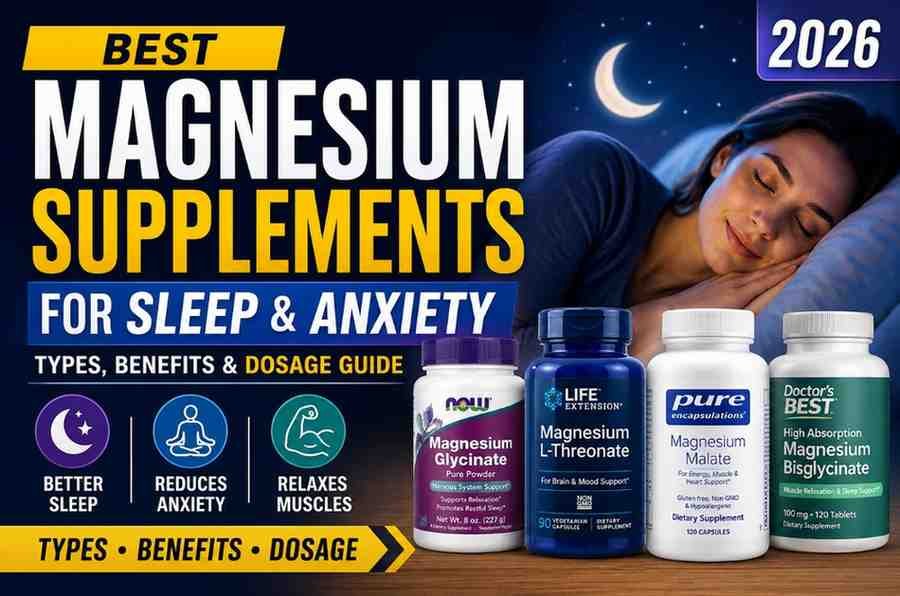
Introduction: In 2026, magnesium has emerged as one of the most talked-about nutrients in the wellness world. From improving sleep quality to reducing anxiety and stress, this essential mineral is gaining mainstream attention among doctors, nutritionists, and everyday consumers alike. But with dozens of supplement types available, choosing the right one can feel overwhelming.
Who needs magnesium? Anyone struggling with sleep issues, stress, muscle cramps, or fatigue. What is the focus? Magnesium supplements tailored for specific health goals. When should you consider it? When dietary intake is insufficient or symptoms appear. Where does it work? Across your nervous system, muscles, and brain. Why is it important? Because magnesium supports over 300 biochemical reactions. How can you benefit? By selecting the right form and dosage for your needs.
What Is Magnesium and Why Your Body Needs It
Magnesium is a vital mineral involved in hundreds of processes, including:
- Regulating nerve function and calming the nervous system
- Supporting deep, restorative sleep
- Helping muscles relax and recover
- Balancing stress hormones like cortisol
- Maintaining heart and bone health
Insight: Modern diets and stress levels have made magnesium deficiency surprisingly common—even among otherwise healthy individuals.
Why Magnesium Is the #1 Supplement Trend in 2026
- Sleep crisis: Rising insomnia among young adults
- Anxiety surge: Increased stress from digital lifestyles
- Scientific backing: Strong research linking magnesium to relaxation
- Natural alternative: Preference over prescription sleep aids
Trend insight: Magnesium is being positioned as a “foundation supplement” for mental and physical recovery.
Best Types of Magnesium Supplements (And What They’re Best For)
| Type | Best For | Absorption |
|---|---|---|
| Magnesium Glycinate | Sleep, anxiety, relaxation | High |
| Magnesium Citrate | Digestion, constipation relief | Moderate-High |
| Magnesium Threonate | Brain function, memory, focus | High (brain-targeted) |
| Magnesium Malate | Energy production, fatigue | Moderate |
| Magnesium Oxide | Occasional constipation | Low |
Key takeaway: Not all magnesium supplements are equal—choosing the right type determines your results.
Best Magnesium for Sleep and Anxiety
Magnesium Glycinate: The Gold Standard
This form combines magnesium with glycine, an amino acid known for its calming effects. It helps:
- Improve sleep quality
- Reduce anxiety symptoms
- Relax the nervous system
Why it works: Glycine enhances relaxation without causing drowsiness during the day.
Magnesium Threonate: Brain-Focused Benefits
Unlike other forms, threonate can cross the blood-brain barrier, making it ideal for:
- Reducing mental stress
- Improving cognitive function
- Supporting long-term brain health
Insight: This is especially popular among students and professionals in 2026.
How to Choose the Right Magnesium Supplement
- For sleep: Choose magnesium glycinate
- For anxiety: Glycinate or threonate
- For digestion: Citrate
- For energy: Malate
Pro tip: Avoid magnesium oxide for daily supplementation—it’s less bioavailable.
Recommended Dosage and Timing
| Goal | Dosage | Best Time |
|---|---|---|
| Sleep | 200–400 mg | Evening (before bed) |
| Anxiety | 100–300 mg | Split doses (morning + evening) |
| General health | 200–350 mg | With meals |
Important: Always consult a healthcare professional before starting any supplement.
Real-World Impact: What Happens When You Fix Magnesium Deficiency
Once magnesium levels are optimized, many people report:
- Faster sleep onset and deeper rest
- Reduced anxiety and improved mood
- Fewer muscle cramps and headaches
- Better energy and recovery
Insight: The effects are often noticeable within 1–2 weeks.
Comparison: Magnesium vs Sleep Medications
| Factor | Magnesium | Sleep Medications |
|---|---|---|
| Dependency Risk | None | Possible |
| Side Effects | Minimal | Common |
| Long-Term Use | Safe (with guidance) | Often limited |
| Holistic Benefits | Yes | No |
Unique Insight: The Rise of “Stacking” Magnesium with Other Nutrients
In 2026, wellness experts are combining magnesium with other compounds for enhanced results:
- Magnesium + Vitamin B6: Better stress management
- Magnesium + Melatonin: Improved sleep cycles
- Magnesium + Ashwagandha: Reduced cortisol levels
Prediction: Supplement “stacks” will dominate the next phase of personalized wellness.
Common Mistakes to Avoid
- Taking the wrong type for your goal
- Using low-quality or poorly absorbed forms
- Expecting instant results without consistency
- Ignoring diet and lifestyle factors
Natural Food Sources of Magnesium
While supplements help, food should remain the foundation:
- Leafy greens (spinach, kale)
- Nuts and seeds (almonds, pumpkin seeds)
- Whole grains
- Dark chocolate
- Legumes
Tip: Combine diet + supplements for optimal results.
Conclusion: Is Magnesium Worth It in 2026?
Magnesium’s rise in 2026 is backed by both science and real-world results. Whether you’re struggling with sleep, anxiety, or overall fatigue, the right magnesium supplement can make a meaningful difference.
Final takeaway: Choose the right type, take it consistently, and pair it with a healthy lifestyle.
Future outlook: As personalized nutrition evolves, magnesium will remain a cornerstone supplement—especially for mental wellness and recovery in an increasingly stressful world.
For breaking news and live news updates, like us on Facebook or follow us on Twitter and Instagram. Read more on Latest Health on thefoxdaily.com.






COMMENTS 0