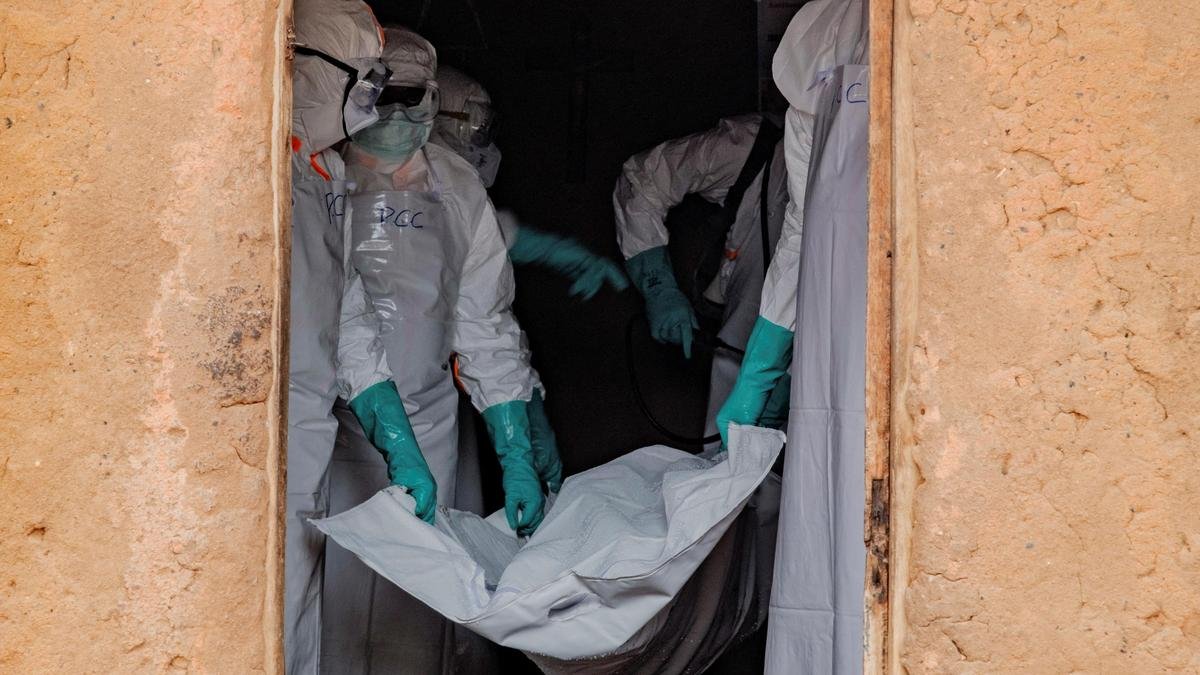
The Democratic Republic of Congo (DRC) is battling what health authorities describe as the fastest-growing Ebola outbreak ever recorded. Official figures show that more than 1,500 people have died in just over two months, highlighting the unprecedented speed at which the disease is spreading and raising concerns among Global Health experts.
Unlike previous Ebola epidemics, this outbreak is being driven by the Bundibugyo strain of the Ebola virus, for which there are currently no approved Vaccines or targeted treatments. This lack of proven medical countermeasures has significantly complicated containment efforts and increased the urgency for international collaboration.
With thousands of confirmed and suspected infections already reported, experts warn that the outbreak could continue expanding unless rapid surveillance, community engagement, laboratory testing, isolation, and international support are strengthened.
Latest Ebola Situation in Congo
According to the latest official data released by the Congolese government, the outbreak has reached an alarming scale within a remarkably short period.
| Outbreak Indicator | Latest Figures |
|---|---|
| Outbreak declared | May 15, 2026 |
| Total reported cases | 3,442 |
| Total reported deaths | 1,521 |
| Virus responsible | Bundibugyo ebolavirus |
| Approved vaccine available | No |
| Approved treatment available | No |
The rapid increase in both infections and fatalities demonstrates that transmission continues to outpace current response measures in affected regions.
Why This Ebola Outbreak Is Different
Several factors make the current outbreak fundamentally different from previous Ebola emergencies.
Most notably, the outbreak involves the Bundibugyo virus species, a less common member of the Ebola virus family. While vaccines and therapeutic antibodies have been developed for the Zaire strain responsible for several earlier outbreaks, equivalent approved medical tools are not yet available for Bundibugyo.
This means Healthcare workers must rely heavily on traditional outbreak control measures rather than disease-specific medicines.
What Is the Bundibugyo Ebola Virus?
Bundibugyo ebolavirus is one of several known species within the Ebola virus family. Although it generally causes symptoms similar to other forms of Ebola virus disease, relatively few outbreaks have occurred, resulting in less clinical experience and fewer approved medical interventions.
Like other Ebola viruses, Bundibugyo causes severe viral hemorrhagic fever that can rapidly become life-threatening without intensive supportive medical care.
How Ebola Spreads
Ebola is not transmitted through casual airborne exposure like influenza. Instead, infection occurs through direct contact with infected bodily fluids or contaminated materials.
Common Routes of Transmission
- Direct contact with blood.
- Exposure to vomit or diarrhea.
- Contact with saliva, urine, sweat, or breast milk.
- Exposure to semen from infected individuals.
- Handling contaminated clothing or bedding.
- Unsafe caregiving without protective equipment.
- Traditional burial practices involving contact with the deceased.
Healthcare workers and family caregivers remain among the highest-risk groups when infection prevention measures are inadequate.
Symptoms of Ebola Virus Disease
Ebola symptoms usually begin suddenly after an incubation period ranging from two to twenty-one days.
Early recognition is essential because prompt isolation reduces the risk of further transmission.
| Early Symptoms | Advanced Symptoms |
|---|---|
| High fever | Internal bleeding |
| Severe headache | External bleeding in some patients |
| Muscle pain | Shock |
| Extreme weakness | Multi-organ failure |
| Sore throat | Severe dehydration |
| Vomiting and diarrhea | Loss of consciousness in severe cases |
Not every patient experiences bleeding, but severe dehydration, electrolyte imbalance, and organ dysfunction frequently contribute to poor outcomes.
Why the Death Toll Is Rising So Quickly
Several overlapping challenges have accelerated the outbreak.
- Absence of approved vaccines.
- No approved antiviral treatment specific to Bundibugyo.
- Delayed detection of cases.
- Difficult access to affected communities.
- Healthcare infrastructure under pressure.
- High transmission within households.
- Limited laboratory capacity in remote areas.
- Fear and misinformation delaying medical care.
Together, these factors have allowed the virus to spread faster than public health teams can interrupt transmission chains.
How This Outbreak Compares With Previous Ebola Epidemics
The current outbreak is notable not only because of its size but also because of its extraordinary growth rate.
| Feature | Current Congo Outbreak | 2014–2016 West Africa Outbreak |
|---|---|---|
| Virus strain | Bundibugyo | Zaire |
| Approved vaccine | No | Vaccines later became available |
| Approved treatment | No | Therapeutic options later developed |
| Growth rate | Fastest recorded | Slower initial expansion |
| Public health challenge | Limited medical countermeasures | Large multinational response |
Although the West African epidemic ultimately caused more total deaths, it took significantly longer to reach comparable fatality milestones.
Why Vaccines Matter
Vaccination has become one of the most effective tools for controlling several Ebola outbreaks caused by the Zaire strain. Ring vaccination strategies help protect contacts of infected individuals and frontline healthcare workers.
However, because the current outbreak involves Bundibugyo ebolavirus, existing licensed vaccines are not approved specifically for this strain, creating a significant gap in outbreak control.
Current Response Measures
Health authorities are focusing on traditional public health interventions while researchers continue evaluating potential medical solutions.
- Rapid case identification.
- Isolation of infected patients.
- Comprehensive contact tracing.
- Laboratory confirmation of suspected cases.
- Safe and dignified burial practices.
- Community education campaigns.
- Protection of healthcare workers.
- Enhanced infection prevention in healthcare facilities.
The Importance of Community Trust
Community cooperation is essential during Ebola outbreaks. Fear, stigma, misinformation, and distrust can discourage people from reporting symptoms or seeking medical attention.
Successful outbreak control depends not only on medical interventions but also on clear communication, culturally sensitive engagement, and collaboration with local leaders.
Could the Outbreak Spread Internationally?
While Ebola is highly infectious through direct contact, it is generally less likely to spread internationally than respiratory viruses because transmission requires close exposure to infected bodily fluids.
Nevertheless, increased Travel and cross-border movement mean surveillance remains critical. Neighboring countries often strengthen border screening, laboratory preparedness, and emergency response plans during major outbreaks.
Why Early Detection Saves Lives
Prompt diagnosis allows patients to receive supportive care earlier while reducing opportunities for further transmission.
Even in the absence of strain-specific treatments, intensive supportive care—including intravenous fluids, electrolyte management, oxygen therapy when needed, and treatment of secondary infections—can improve survival.
What Researchers Are Working On
The unprecedented nature of this outbreak has intensified efforts to develop diagnostics, vaccines, and antiviral therapies targeting Bundibugyo ebolavirus.
Researchers are also studying how the virus spreads, how immune responses differ from other Ebola species, and which public health interventions are most effective under current conditions.
Global Public Health Lessons
The Congo outbreak highlights the need for continued Investment in epidemic preparedness beyond well-known pathogens. Emerging Infectious Diseases can evolve rapidly, and existing vaccines or treatments may not always provide protection against every viral strain.
Strengthening disease surveillance, expanding laboratory networks, accelerating vaccine research, supporting frontline healthcare workers, and improving international cooperation remain essential for reducing the impact of future outbreaks.
Looking Ahead
The ongoing Ebola outbreak demonstrates how quickly infectious diseases can overwhelm health systems when proven medical tools are unavailable. As scientists work toward new vaccines and treatments for the Bundibugyo virus, traditional public health measures remain the primary defense against further spread.
Continued international support, sustained funding, rapid case detection, and strong community participation will be critical to slowing transmission and preventing additional loss of life.
Key Takeaway: The Democratic Republic of Congo is facing the fastest-growing Ebola outbreak ever recorded, driven by the Bundibugyo virus—a strain for which no approved vaccines or targeted treatments currently exist. The crisis underscores the importance of rapid surveillance, strong healthcare systems, scientific research, and global cooperation to contain emerging infectious diseases before they escalate into wider public health emergencies.
For breaking news and live news updates, like us on Facebook or follow us on Twitter and Instagram. Read more on Latest Health on thefoxdaily.com.



COMMENTS 0