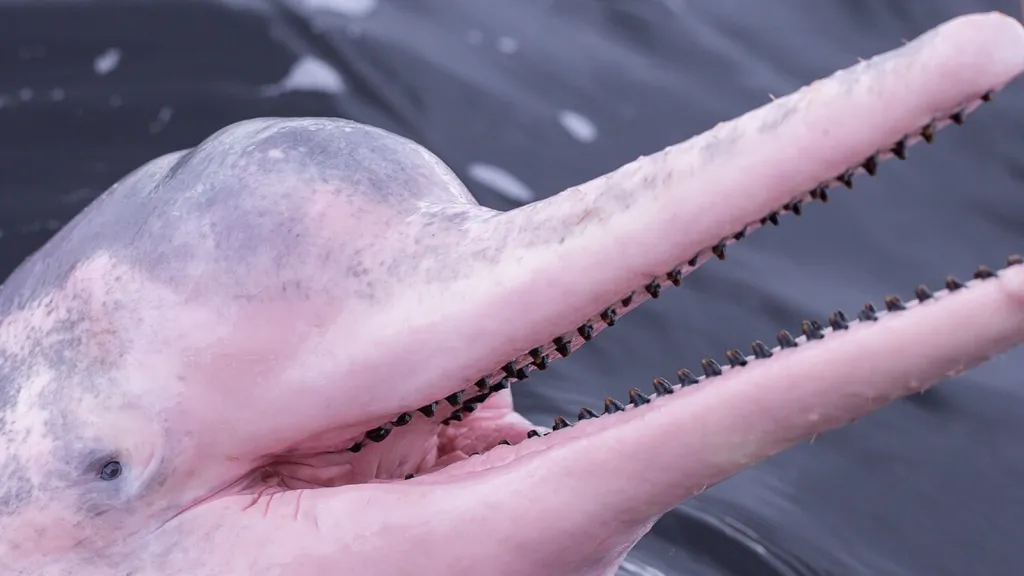
A rare pink dolphin spotted off the coast of Oman has captured the attention of wildlife enthusiasts, prompting questions about the animal’s identity, the science behind its unusual colour and how often such dolphins are seen in the wild. The sighting near Qantab Beach in Muscat has also drawn attention to the rich marine biodiversity of Oman’s coastline.
While pink dolphins are known to occur naturally in certain parts of the world, their colouration can have different explanations depending on the species. Some dolphins develop pinkish skin as they mature, while others may appear unusually pale because of pigmentation conditions such as albinism or leucism.
According to Dr Vinod Sharma, Director and Head of Veterinary Services at DCC Animal Hospital & Petcare, Gurugram, identifying the animal responsible for the Oman sighting requires scientific confirmation. Without this, it would be premature to determine whether the dolphin belongs to a naturally pinkish marine species or has an unusual pigmentation condition.
Why Are Some Dolphins Pink?
Pink colouration in dolphins can occur for several reasons, including natural changes associated with maturity and genetic conditions that affect pigmentation. The species, its habitat and the condition of its skin can all help explain why an individual dolphin appears pink.
Dr Sharma points out that the Amazon river dolphin, commonly known as the boto, is perhaps the best-known pink dolphin. However, this species lives exclusively in freshwater and is native to the Amazon and Orinoco river basins of South America.
According to the World Wide Fund for Nature (WWF), Amazon river dolphins inhabit waterways across countries including Brazil, Peru, Colombia, Bolivia and Venezuela. Although their populations number in the tens of thousands, some populations face considerable threats from human activities.
Dams can disrupt river systems and fragment habitats, while pollution can affect the quality of the water in which these dolphins live. These challenges make the conservation of freshwater ecosystems particularly important for the long-term survival of the species.
Unlike the Amazon river dolphin, which lives in freshwater, certain marine dolphin species can also develop a pinkish appearance. One example is the Indo-Pacific humpback dolphin, also known as the Chinese white dolphin.
Indo-Pacific Humpback Dolphins Can Develop Pink Skin
The Indo-Pacific humpback dolphin is a marine species known for its distinctive appearance, which can include pinkish or white skin in mature individuals. These dolphins are generally born grey, with their colouration changing as they grow older.
Dr Sharma explains that the dolphins gradually develop a pink or white appearance as they mature. This means that pink skin does not necessarily indicate a disease or a rare genetic condition in this species.
Their appearance can be particularly striking against the blue or green waters of coastal habitats, making sightings memorable for observers. However, colouration alone is not sufficient to establish the species of a dolphin seen in the wild.
Differences in lighting, the angle from which an animal is observed and the appearance of its skin can complicate identification. Experts may need clear photographs, video footage and additional observations to determine the species with confidence.
Can Albinism or Leucism Make Dolphins Look Pink?
Natural colouration is not the only possible explanation for a pink dolphin. In some species, including bottlenose dolphins, an unusually pale or pink appearance may be associated with albinism or leucism, two conditions that affect pigmentation.
Albinism is a genetic condition involving a reduction or absence of melanin, the pigment responsible for much of the colour in an animal’s skin, eyes and other tissues. An animal affected by albinism may appear very pale or white, and its eyes may also show reduced pigmentation.
Leucism is another condition associated with reduced pigmentation. Unlike albinism, leucism generally affects the colouration of the skin, fur or feathers without necessarily causing the same reduction in eye pigmentation.
When a dolphin has very pale skin, blood vessels beneath the surface may become more visible and contribute to a pinkish appearance. The resulting colour can vary depending on the animal’s natural pigmentation and other characteristics.
However, a pink appearance does not automatically mean that a dolphin has albinism or leucism. Establishing the cause requires careful observation and, where possible, an expert assessment of the animal.
What Makes the Pink Dolphin Sighting Off Oman Unusual?
The reported sighting near Qantab Beach in Muscat has attracted attention because pink marine dolphins are rarely observed in coastal ocean waters. Unlike the Amazon river dolphin, which inhabits freshwater rivers, the possible explanations for a pink dolphin in Oman involve marine species or unusual pigmentation.
According to Dr Sharma, the animal could be an Indo-Pacific humpback dolphin or an individual whose appearance is influenced by a pigmentation condition. However, he stresses that the species and the reason for its colouration cannot be conclusively identified without scientific confirmation.
This distinction matters because an unusual appearance can attract speculation before experts have had an opportunity to examine the available evidence. Photographs and social media posts may help draw attention to a sighting, but they do not always provide enough information to establish an animal’s identity.
The sighting also highlights the ecological importance of Oman’s coastline, which supports various dolphin species and other forms of Marine Life. Coastal waters can provide important habitats for marine mammals, making responsible observation and conservation efforts essential.
How Common Are Pink Dolphins in the Wild?
The frequency of pink dolphin sightings depends largely on the species and the location. Amazon river dolphins are known for their pink colouration and inhabit freshwater systems in South America. Their appearance and distribution differ from those of marine dolphins found along coastlines.
Indo-Pacific humpback dolphins can develop pinkish skin as they mature, but their colouration and the conditions under which they are observed vary. Dolphins with pigmentation abnormalities may be even less frequently encountered, depending on the species and population.
It is therefore difficult to estimate how rare the Oman sighting is without confirming the animal’s identity. A single photograph or brief encounter may not reveal whether the dolphin belongs to a species known for pinkish colouration or is an unusual individual within another species.
Scientific documentation can help resolve these questions. Information about the animal’s physical characteristics, behaviour, location and habitat may assist marine researchers in identifying it and understanding the significance of the sighting.
How Should People Behave Around Rare Dolphins?
Rare dolphin sightings can generate excitement among beachgoers, tourists and wildlife enthusiasts. However, approaching a marine animal too closely or attempting to interact with it can cause stress and interfere with its natural behaviour.
Dr Sharma emphasises that observing dolphins should never come at the expense of their welfare. He recommends maintaining a distance of at least 50 metres, avoiding attempts to chase or surround the animals, and never touching or feeding them.
These precautions are particularly important when a dolphin appears unusual or attracts a crowd. An animal that is approached by multiple people or boats may have difficulty moving freely or returning to its normal activities.
Maintain a Safe Distance
People observing dolphins from boats or the shore should avoid getting too close. Maintaining an appropriate distance gives the animals room to move naturally and reduces the likelihood of disturbing them.
Avoid Chasing or Surrounding Dolphins
Boats should never pursue dolphins in an attempt to obtain photographs or videos. Surrounding an animal can restrict its movement and create unnecessary stress. Observers should allow dolphins to choose whether to remain in the area or swim away.
Never Touch or Feed Them
Even if a dolphin appears calm or approaches a boat, people should not attempt to touch or feed it. Human interaction can alter an animal’s behaviour and may expose it to risks associated with inappropriate food or close contact.
Keep Boat Encounters Brief and Non-Intrusive
Dr Sharma advises boat operators to approach slowly, avoid obstructing the animals’ movement and allow them to decide whether to stay nearby. Encounters should remain brief and non-intrusive, with the animal’s welfare taking priority over photography or sightseeing.
Why Unusual Dolphin Sightings Should Be Reported
Members of the public who encounter an unusually coloured dolphin can help researchers by reporting the sighting to local wildlife authorities, where possible. Such reports may provide useful information about the animal’s location and help experts document marine wildlife observations.
Photographs and videos can be valuable when captured from a safe distance without disturbing the animal. Observers should also record basic details, such as the approximate location and time of the sighting, if doing so is safe and practical.
Experts can then assess the available material and determine whether further investigation is warranted. A confirmed identification may help improve understanding of the species present along Oman’s coast and establish whether the animal’s colouration is natural or linked to a pigmentation condition.
Until such confirmation is available, the pink dolphin reported off Qantab Beach remains an intriguing wildlife sighting rather than a scientifically established example of a particular species or condition.
What the Oman Pink Dolphin Sighting Tells Us About Marine Wildlife
The sighting off Oman offers a reminder of the diversity of marine life and the many ways animals can differ in appearance. Pink colouration may be a natural feature of certain dolphin species, a change that develops with age or a result of pigmentation conditions.
Although the animal’s identity has not been conclusively established in the supplied account, the sighting has created an opportunity to raise awareness about dolphin biology, marine biodiversity and responsible wildlife observation.
For anyone fortunate enough to encounter a rare dolphin, the most important step is to observe it without interference. Maintaining a safe distance, avoiding direct interaction and reporting unusual sightings to the relevant authorities can help ensure that curiosity about wildlife does not compromise the animals’ welfare.
Disclaimer: This article is based on information available in the public domain and comments from the expert cited. The identity of the dolphin sighted off Oman and the cause of its pink colouration have not been scientifically confirmed in the supplied information.
For breaking news and live news updates, like us on Facebook or follow us on Twitter and Instagram. Read more on Latest Lifestyle on thefoxdaily.com.




COMMENTS 0